
Stent vs. Bypass: Understanding the Differences in Cardiac Procedures
Fast Facts:
- Decision: Critical for heart health management.
- Recent advances in minimally invasive techniques offer new options for cardiology patients.
Navigating Cardiac Choices: Stent Placement vs. Bypass Surgery
When facing coronary artery disease, two primary interventions often come to mind: stent placement and bypass surgery. Both aim to restore blood flow to the heart, but they involve distinctly different approaches, recovery timelines, and long-term implications. Understanding the differences between stent placement and bypass surgery is crucial for patients and their families when making informed decisions about cardiac care. This guide will explore how each procedure works, what to expect during recovery, the risks involved, and when each option is typically recommended by medical professionals.
How Each Procedure Works: A Closer Look
Understanding Stent Placement (PCI)
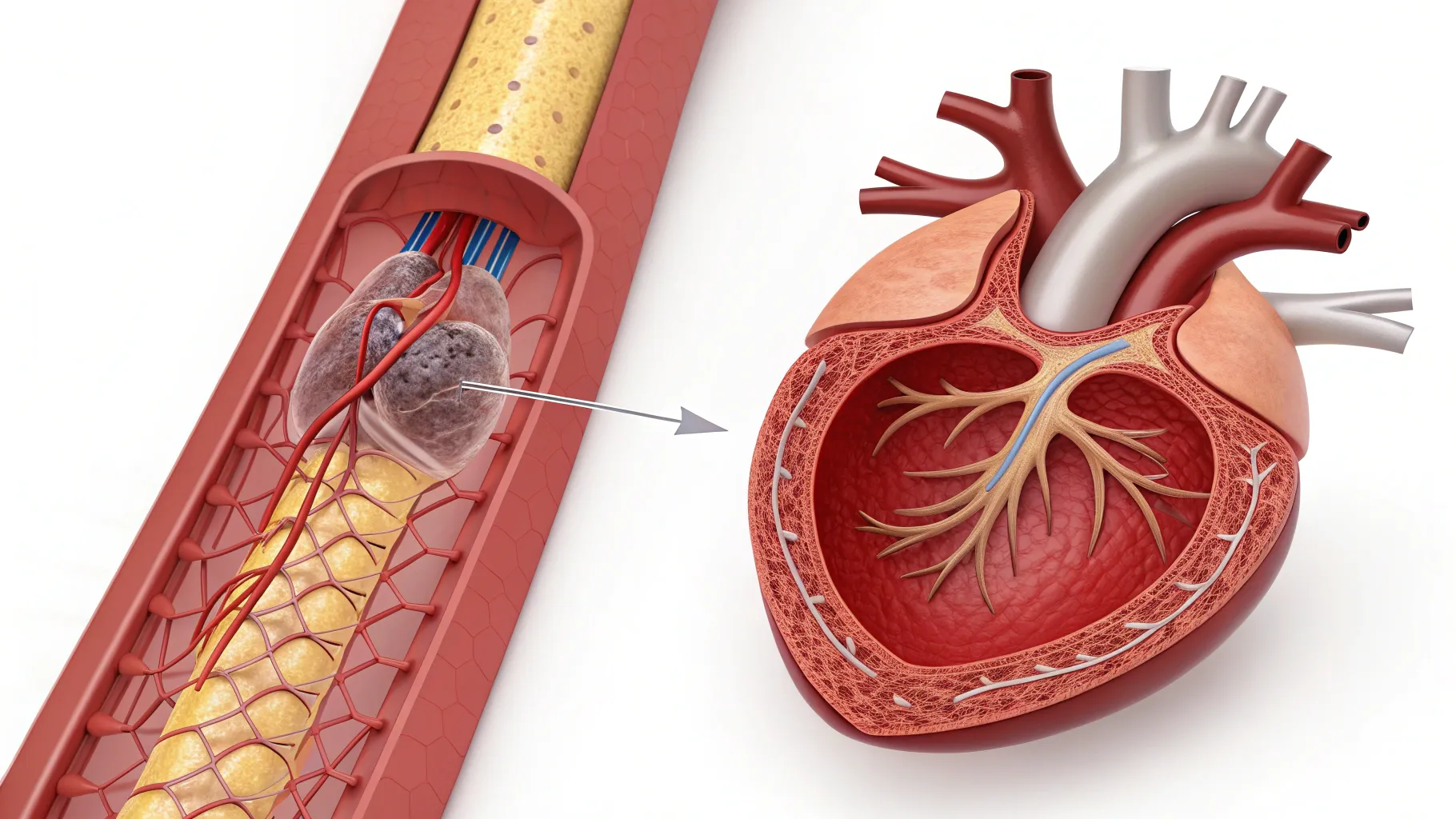
Percutaneous Coronary Intervention (PCI), commonly known as stent placement, is a minimally invasive procedure performed to open blocked or narrowed coronary arteries. During PCI, a thin, flexible tube called a catheter is inserted into an artery, usually in the wrist or groin, and guided to the heart. A balloon at the tip of the catheter is inflated to widen the narrowed artery, and then a small mesh tube, or stent, is typically left in place to keep the artery open. This procedure generally takes about one to two hours and often requires a shorter hospital stay compared to open-heart surgery. Patients typically resume normal activities much faster.
Exploring Coronary Artery Bypass Graft (CABG) Surgery
Coronary Artery Bypass Graft (CABG) surgery, or simply bypass surgery, is a more invasive open-heart procedure. It involves taking a healthy blood vessel (a graft) from another part of the body, such as the leg or chest, and attaching it to the coronary artery above and below the blocked area. This creates a new path for blood to flow around the blockage, hence "bypassing" it. CABG can involve bypassing multiple blocked arteries in a single operation. While more complex, it can be highly effective, especially for patients with multiple severe blockages or certain types of blockages not suitable for stents.
Recovery Expectations and Lifestyle Adjustments
Stent Placement Recovery
Recovery expectations after stent placement are generally rapid. Most patients can return home within a day or two and resume light activities within a week. Full recovery, including exercise and strenuous work, might take a few weeks. A key aspect of post-stent care involves lifelong medication, primarily antiplatelet drugs, to prevent blood clots from forming on the stent. Regular follow-ups with a cardiologist are essential to monitor progress and manage risk factors.
Bypass Surgery Recovery
The recovery expectations for bypass surgery are significantly longer and more involved. Patients typically spend several days in the intensive care unit (ICU) and another week or so in a hospital room. The sternum needs time to heal, and full physical recovery, including returning to work and normal activities, can take anywhere from six weeks to three months or even longer. Cardiac rehabilitation programs are often prescribed to aid recovery, focusing on supervised exercise, lifestyle changes, and education. Pain management and wound care are critical components of the initial recovery phase.
Risks to Consider for Each Procedure
Both stent placement and bypass surgery carry inherent risks to consider, though their profiles differ. Stent placement, being less invasive, has lower immediate surgical risks, such as bleeding, infection, and stroke. However, there are risks specific to the procedure, including allergic reaction to contrast dye, kidney damage, and stent thrombosis (blood clot within the stent) though rare with modern antiplatelet therapy. Bypass surgery, as a major operation, carries higher risks of complications like stroke, heart attack, kidney failure, infection, and problems related to anesthesia. Long-term risks for both procedures include the potential for re-blockage, though modern techniques and medications have significantly reduced these occurrences.
When Each Option is Recommended: Making the Right Choice
The decision of when each option is recommended is highly individualized and depends on numerous factors, including the number and location of blockages, the patient's overall health, presence of other medical conditions like diabetes, and the urgency of the situation. Stent placement is often preferred for single, non-complex blockages or in emergency situations like a heart attack. It's also a good option for patients who may not be candidates for open-heart surgery due to other health issues. Bypass surgery is generally recommended for patients with multiple severe blockages, especially in major arteries like the left main coronary artery, or for those with diffuse disease not amenable to stenting. It often provides a more complete and durable revascularization for complex cases. A multidisciplinary team of cardiologists and cardiac surgeons evaluates each case carefully to determine the optimal treatment strategy.
Living with a Healthy Heart: Post-Procedure Life
- Medication Adherence: Consistently take prescribed medications, especially antiplatelet drugs after stenting, and medications to manage cholesterol, blood pressure, and diabetes.
- Lifestyle Modifications: Embrace a heart-healthy diet, regular physical activity as cleared by your doctor, and aim to maintain a healthy weight.
- Smoking Cessation: If you smoke, quitting is one of the most impactful steps you can take for your heart health post-procedure.
- Regular Follow-ups: Adhere to your cardiologist's schedule for check-ups, diagnostic tests, and medication adjustments.
- Stress Management: Implement stress-reducing techniques like meditation, yoga, or spending time in nature to support overall cardiovascular well-being.
Frequently Asked Questions
Is one procedure definitively better than the other?
No, neither procedure is definitively "better." The optimal choice depends on the individual patient's specific condition, the nature and location of blockages, and overall health. Both have proven track records of improving outcomes when applied appropriately.
How long do stents last?
Stents are designed to be permanent. However, the treated artery can re-narrow (restenosis) or a new blockage can form elsewhere. Lifelong medication and lifestyle changes are crucial for stent longevity and preventing new issues.
Can I still have bypass surgery if I've had stents?
Yes, it is possible. If stents fail or new blockages develop that are not suitable for further stenting, bypass surgery may be recommended as a subsequent treatment option.
References
- American Heart Association. "Coronary Artery Disease." heart.org
- Mayo Clinic. "Coronary bypass surgery." mayoclinic.org
- National Heart, Lung, and Blood Institute. "Angioplasty and Stent Placement." nhlbi.nih.gov