
The Ultimate Guide to Supplements For Menopause Symptoms
Facts:
- Menopause officially begins 12 months after a woman's last period.
- A rising trend for managing symptoms is using natural Supplements For Menopause Symptoms.
Navigating Menopause Naturally: A Guide to Effective Supplements
Menopause is a natural biological process, but its symptoms, such as hot flashes, night sweats, mood swings, and sleep disturbances, can significantly impact quality of life. Many women seek ways to manage these changes, and a growing number are turning to natural remedies. This guide provides a comprehensive overview of the most effective Supplements For Menopause Symptoms, exploring both scientific evidence and traditional use. Understanding which vitamins, minerals, and herbs can offer support is the first step toward navigating this transition with greater comfort and control. By exploring these options, you can make informed decisions about incorporating supportive Supplements For Menopause Symptoms into your daily wellness routine.
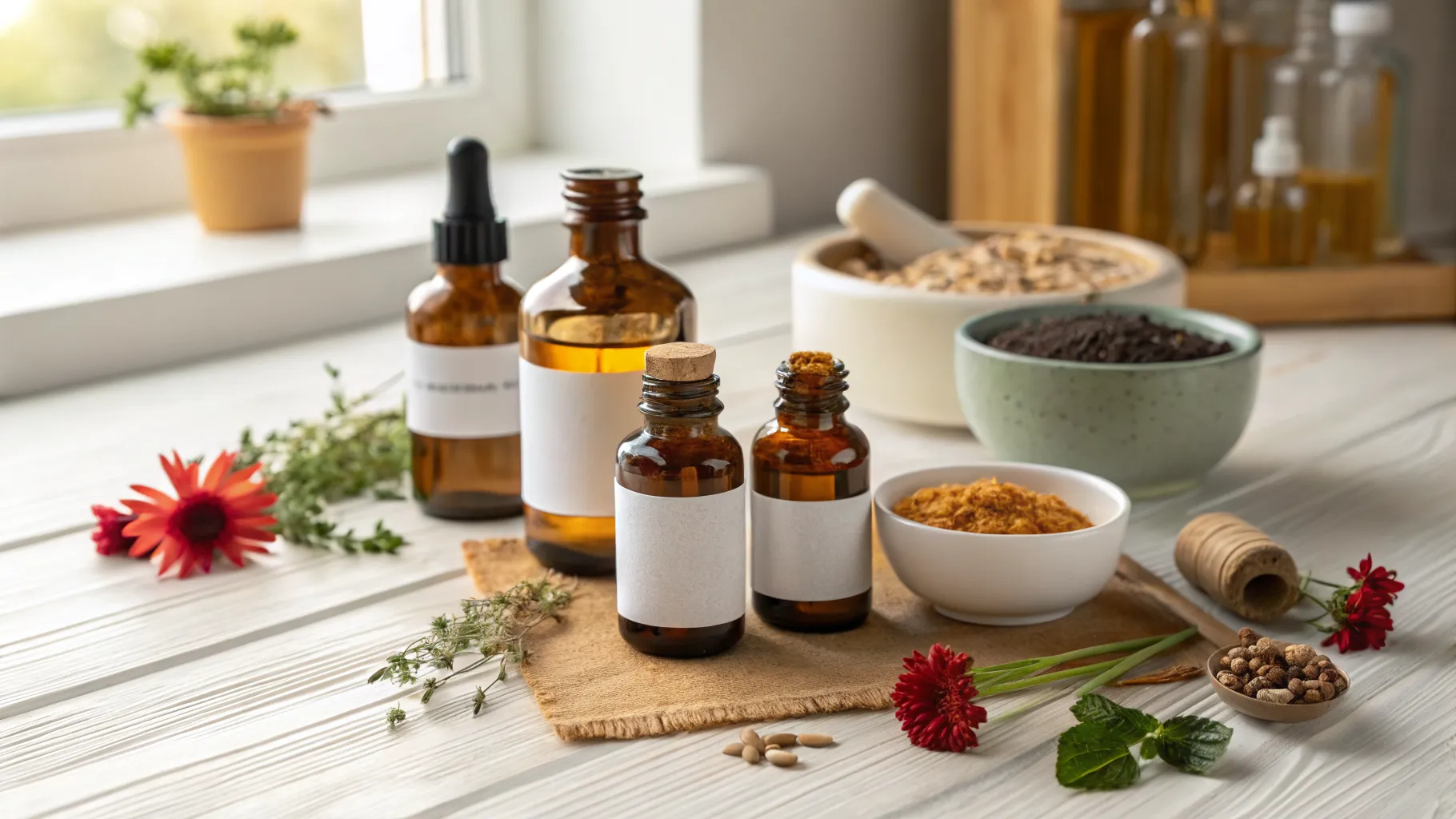
Key Vitamins and Minerals for Menopause Relief
As estrogen levels decline, the body's need for certain nutrients increases. Targeting these deficiencies can provide a foundational approach to managing symptoms. Key vitamins and minerals play a crucial role in bone health, mood regulation, and overall well-being during this transitional phase. These are not just general health aids; they are targeted Supplements For Menopause Symptoms that address specific physiological changes. For instance, bone density loss accelerates significantly after menopause, making calcium and vitamin D intake critically important. Similarly, magnesium can help with sleep quality and anxiety, two common complaints during this time. Prioritizing these micronutrients is a proactive step in building a resilient foundation against the challenges of menopause.
Vitamin D and Calcium
This pair is essential for bone health. Postmenopausal women are at a higher risk for osteoporosis due to decreased estrogen. Calcium is the primary building block of bones, while Vitamin D is crucial for its absorption. Without adequate Vitamin D, the body cannot effectively utilize calcium, regardless of how much is consumed. Food sources are important, but supplementation is often recommended to ensure sufficient levels are met to protect against fractures and maintain skeletal strength.
Magnesium
Known as the 'calming mineral,' magnesium can be a powerful ally during menopause. It plays a role in over 300 enzymatic reactions in the body, including those that regulate sleep and mood. Many women find that magnesium helps reduce anxiety, improve sleep quality by regulating neurotransmitters, and may even lessen the severity of heart palpitations. It is one of the most versatile Supplements For Menopause Symptoms available.
Herbal Supplements For Menopause Symptoms: A Closer Look
Beyond vitamins and minerals, a variety of botanicals have been used for centuries to alleviate menopausal discomfort. These herbal remedies often target hormone-related symptoms like hot flashes and night sweats. While research is ongoing for many, several have shown promising results in clinical studies, making them popular choices for women seeking natural alternatives. It's crucial to approach herbal Supplements For Menopause Symptoms with care, ensuring you choose high-quality products and consult with a healthcare provider, as they can interact with other medications.
Black Cohosh
Black Cohosh is one of the most studied and widely used herbal Supplements For Menopause Symptoms. It is particularly noted for its potential to reduce the frequency and severity of hot flashes and night sweats. The exact mechanism isn't fully understood, but it is thought to have an effect on serotonin pathways in the brain rather than acting as a phytoestrogen. Many women report significant relief within a few weeks of consistent use.
Red Clover
Red clover is rich in isoflavones, which are plant-based compounds that have a chemical structure similar to estrogen. These phytoestrogens can bind to estrogen receptors in the body, potentially exerting a weak estrogen-like effect. This makes it a popular choice for managing hot flashes and may also have benefits for cardiovascular and bone health post-menopause. It's considered a key component in the arsenal of Supplements For Menopause Symptoms.
Maca Root
Originating from Peru, maca root is an adaptogenic herb, meaning it helps the body adapt to stress. It doesn't contain hormones itself but is believed to nourish the endocrine system, supporting the body's own hormone balance. Users often report increased energy, improved libido, and a more stable mood. It's an excellent choice for women experiencing fatigue and mood-related symptoms alongside other menopausal complaints.
Choosing the Right Supplements: What to Consider
Selecting the appropriate Supplements For Menopause Symptoms can feel overwhelming with so many options available. It's not a one-size-fits-all approach. Your specific symptoms, health history, and lifestyle all play a role in determining the best regimen for you. The key is to be strategic and informed. Start by identifying your most bothersome symptoms and researching which supplements specifically target those issues. Always prioritize quality and safety by choosing reputable brands that undergo third-party testing to ensure purity and potency. Below are some actionable steps to guide you.
- Consult Your Doctor: Before starting any new supplement, discuss it with your healthcare provider. They can help you understand potential interactions with medications you're taking and recommend appropriate dosages for your individual needs.
- Start Low and Go Slow: Begin with the lowest recommended dose of a single supplement to see how your body reacts. This allows you to identify what works and what doesn't without overwhelming your system.
- Look for Third-Party Certifications: Choose products certified by organizations like USP (U.S. Pharmacopeia) or NSF International. This provides assurance that the product contains what the label says it does and is free from contaminants.
- Track Your Symptoms: Keep a simple journal to note any changes in your symptoms after starting a new supplement. This will help you objectively assess whether the Supplements For Menopause Symptoms you've chosen are effective.
Potential Risks and Side Effects to Be Aware Of
While many Supplements For Menopause Symptoms are generally considered safe, they are not without potential risks. Natural does not always mean harmless. Some supplements can cause side effects, ranging from mild digestive upset to more serious issues. For example, Black Cohosh has been linked in rare cases to liver problems, although a direct causal relationship has not been definitively established. Furthermore, many supplements can interact with prescription medications, such as blood thinners, antidepressants, or blood pressure drugs, altering their effectiveness or increasing the risk of adverse effects. It is absolutely essential to approach supplementation with caution and full transparency with your healthcare team to ensure your safety and well-being.
Frequently Asked Questions
How long does it take for Supplements For Menopause Symptoms to work?
The time it takes to see results can vary widely depending on the supplement and the individual. Some women may notice improvements in symptoms like hot flashes within a few weeks, while for others, it might take two to three months of consistent use to experience the full benefits. Patience and consistency are key.
Can I take multiple Supplements For Menopause Symptoms at the same time?
It is possible to combine supplements, but it should be done with caution and ideally under the guidance of a healthcare professional. Some supplements may have overlapping effects or could interact with each other. It's often best to introduce new supplements one at a time to gauge their individual effects on your body.
Are there any supplements that help with weight gain during menopause?
While no supplement is a magic bullet for weight loss, some may help support a healthy metabolism and manage factors that contribute to weight gain. Green tea extract, for example, may support metabolism, while supplements that improve sleep and reduce stress, like magnesium, can help regulate cortisol levels, a hormone linked to abdominal fat.
References
- North American Menopause Society (NAMS) Position Statement on Nonhormonal Management.
- National Center for Complementary and Integrative Health (NCCIH) reviews on menopausal symptoms.
- Clinical studies published in journals of women's health and endocrinology.
- Systematic reviews on phytoestrogens and herbal remedies for vasomotor symptoms.