
The Ultimate Guide to Supplements To Help Sleep Naturally
Facts:
- Nearly 30% of adults report issues with short-term insomnia.
- There is a growing consumer trend for natural, non-habit-forming sleep aids.
Unlocking Restful Nights: Your Guide to Natural Sleep Aids
The quest for a good night's sleep is a universal one. In our fast-paced world, shutting down the mind and body can be a significant challenge, leading many to seek effective solutions. While prescription medications exist, a growing number of people are turning towards Supplements To Help Sleep Naturally. These alternatives offer a way to support the body's innate sleep processes without the potential side effects of stronger drugs. Understanding which natural aids are backed by science is the first step toward reclaiming your nights and waking up refreshed. This guide will explore the most effective Supplements To Help Sleep Naturally, providing the information you need to make an informed choice.
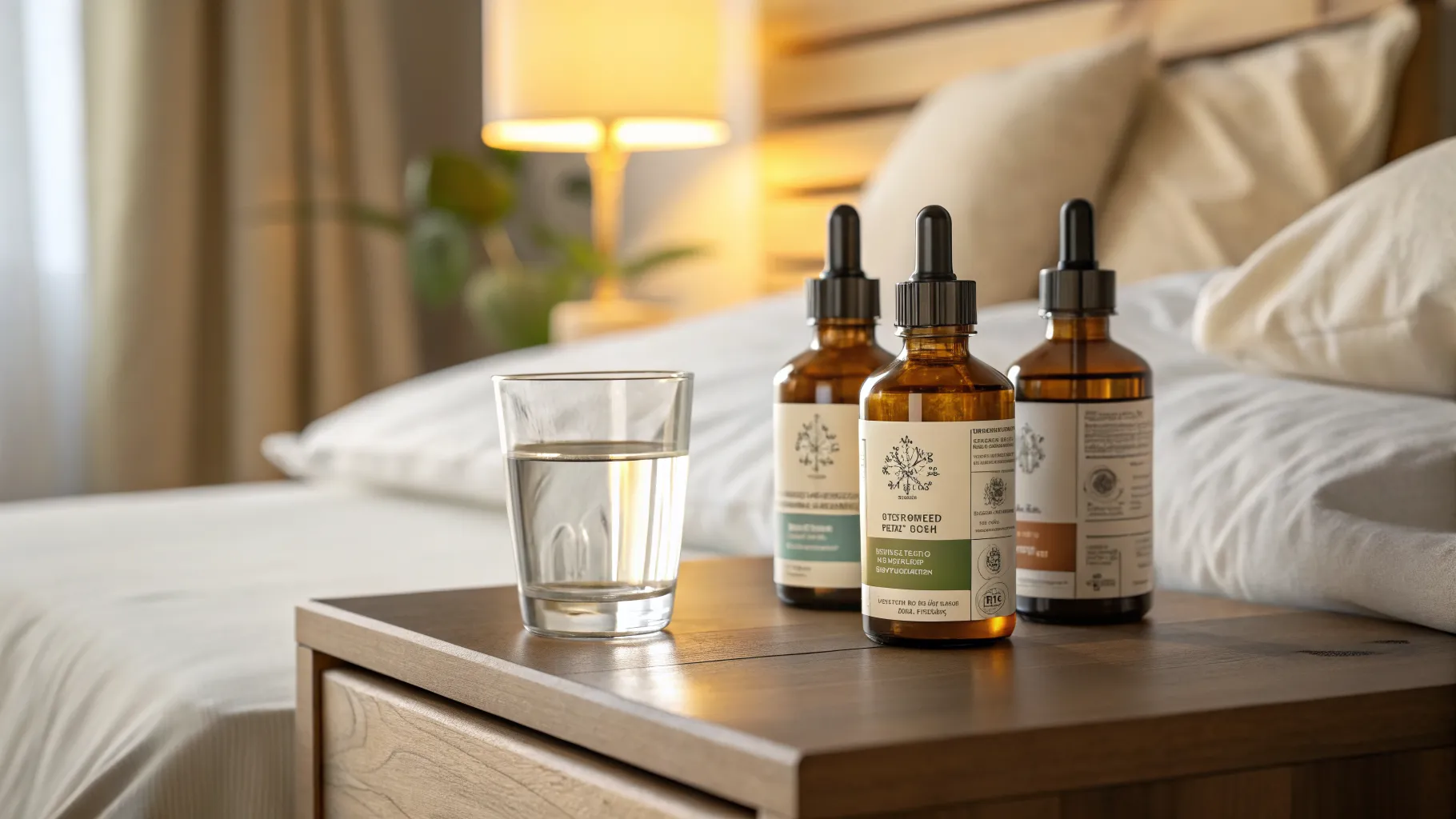
The Most Effective Supplements To Help Sleep Naturally Explored
When diving into the world of natural sleep support, it's essential to focus on ingredients with proven efficacy. Not all supplements are created equal, but several stand out for their ability to promote relaxation and improve sleep quality. These compounds often work by interacting with neurotransmitters, regulating the sleep-wake cycle, or reducing anxiety. Let's examine some of the top-tier Supplements To Help Sleep Naturally that have garnered scientific and anecdotal support.
Melatonin
Perhaps the most well-known sleep aid, melatonin is a hormone your body produces naturally to regulate the circadian rhythm, or your internal body clock. Its production increases in the evening to signal that it's time to sleep. Supplementing with melatonin can be particularly effective for individuals with disrupted sleep cycles, such as shift workers or those experiencing jet lag. It helps reduce the time it takes to fall asleep, making it a popular choice among Supplements To Help Sleep Naturally. Dosages typically range from 0.5 mg to 5 mg, taken about 30-60 minutes before bedtime.
Magnesium
Magnesium is a vital mineral involved in over 300 bodily processes, including those that promote relaxation and sleep. It helps regulate neurotransmitters that calm the nervous system and can activate the parasympathetic nervous system, which is responsible for helping you feel peaceful and relaxed. A magnesium deficiency can lead to troubled sleep and even insomnia. Supplementing with forms like magnesium glycinate or citrate can improve sleep quality, reduce nighttime awakenings, and help you feel more rested. It's a foundational supplement for overall health and a key player among Supplements To Help Sleep Naturally.
Valerian Root
Valerian root is an herb that has been used for centuries as a sleep and anti-anxiety remedy. It is thought to work by increasing the levels of a neurotransmitter called gamma-aminobutyric acid (GABA) in the brain. GABA has a calming effect, and low levels are linked to stress and poor sleep. By boosting GABA, valerian root can help reduce the time it takes to fall asleep and improve sleep quality, making it a stalwart in the lineup of Supplements To Help Sleep Naturally.
L-Theanine
Found primarily in tea leaves, L-theanine is an amino acid that promotes relaxation without causing drowsiness. It helps to quiet an overactive mind by increasing alpha brain waves, which are associated with a state of 'wakeful relaxation'. This makes it an excellent choice for those who can't sleep due to racing thoughts or anxiety. L-theanine can be taken during the day to manage stress or before bed to ease into sleep, solidifying its place as one of the most versatile Supplements To Help Sleep Naturally.
Chamomile
Commonly consumed as a tea, chamomile is a gentle herb known for its calming properties. It contains an antioxidant called apigenin, which binds to specific receptors in your brain that may decrease anxiety and initiate sleep. While often considered mild, its consistent use can have a noticeable effect on sleep quality. For those seeking gentle Supplements To Help Sleep Naturally, chamomile in tea or extract form is an excellent and widely available option.
Choosing the Right Supplement: A Practical Checklist
Navigating the options for Supplements To Help Sleep Naturally can feel overwhelming. The right choice depends on your specific sleep issues, lifestyle, and health profile. Consulting with a healthcare provider is always the best first step. Here is some actionable advice to guide your decision:
- Identify Your Primary Sleep Issue: Is your problem falling asleep, staying asleep, or both? For trouble initiating sleep, melatonin might be best. For nighttime awakenings caused by anxiety, L-theanine or magnesium could be more effective.
- Start with a Low Dose: Always begin with the lowest recommended dose and gradually increase if necessary. This helps you gauge your body's reaction and minimize potential side effects.
- Check for Quality and Purity: Look for supplements that have been third-party tested by organizations like NSF International or USP. This ensures the product contains what it claims and is free from contaminants.
- Consider Potential Interactions: Be aware that even natural supplements can interact with prescription medications. Discuss any Supplements To Help Sleep Naturally you're considering with your doctor or pharmacist.
Lifestyle Habits to Complement Sleep Supplements
While Supplements To Help Sleep Naturally can be incredibly effective, they work best when combined with healthy sleep hygiene. True, lasting improvement in sleep quality comes from a holistic approach. Integrating positive habits can amplify the effects of any supplement and build a strong foundation for restful nights. Consider incorporating practices like maintaining a consistent sleep schedule, creating a relaxing bedtime routine, optimizing your bedroom environment to be dark and cool, and avoiding stimulants like caffeine and electronics before bed. Exercise during the day can also significantly improve your ability to fall and stay asleep at night.
Frequently Asked Questions
Are supplements to help sleep naturally safe to take every night?
For many people, supplements like magnesium or L-theanine are generally safe for long-term nightly use. Others, like melatonin, are often recommended for short-term use to reset a sleep cycle. It is crucial to consult with a healthcare professional to determine what is safe and appropriate for your individual health needs and to discuss the long-term use of any Supplements To Help Sleep Naturally.
How long does it take for supplements to help sleep naturally to work?
The onset of action varies. Some supplements, like melatonin, can work within 30 to 60 minutes. Others, such as valerian root or magnesium, may require consistent use for several days or even weeks to build up in your system and produce a noticeable improvement in sleep quality. Patience is key when starting new Supplements To Help Sleep Naturally.
Can I combine different supplements to help sleep naturally?
Some supplements can be safely combined to target different aspects of sleep. For instance, L-theanine to calm the mind and magnesium to relax the body is a popular combination. However, you should always research potential interactions and, ideally, speak with a knowledgeable healthcare provider before creating your own sleep supplement stack to ensure safety and effectiveness.
References
- National Center for Complementary and Integrative Health
- Journal of Clinical Sleep Medicine
- Sleep Foundation Studies and Publications
- American Academy of Sleep Medicine Guidelines