
The Advanced Skin Treatment Redefining a Youthful Appearance
In the ongoing quest for effective anti-aging solutions, technology continues to offer increasingly sophisticated options that go beyond topical creams and serums. One of the treatments gaining significant attention for its impressive results is radiofrequency (RF) microneedling. It represents a significant advancement in non-surgical skin rejuvenation by combining two proven methods into a single, powerful procedure.
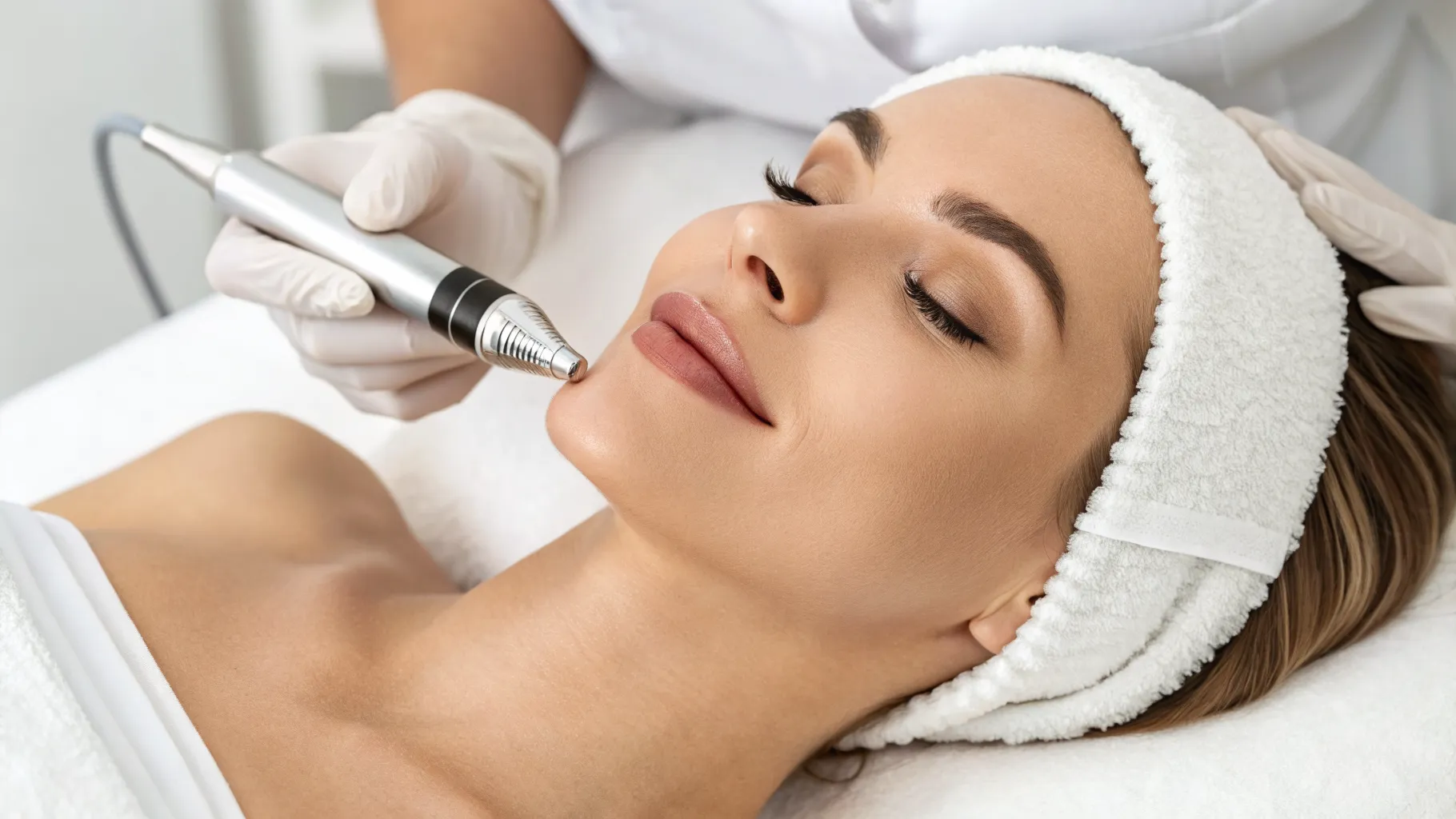
What is Radiofrequency Microneedling?
Radiofrequency microneedling is a minimally invasive cosmetic treatment designed to improve skin tone, texture, and firmness. It enhances the effects of traditional microneedling by incorporating radiofrequency energy. While standard microneedling uses fine needles to create tiny punctures in the skin to trigger the body's natural healing process and stimulate collagen, this advanced version adds a new dimension.
The device used for this procedure has insulated needles that not only pierce the skin to a specific depth but also deliver controlled radiofrequency energy directly into the dermis. This targeted heat intensifies the collagen and elastin production, leading to more dramatic and faster results than microneedling alone. It is this combination of a physical stimulus and thermal energy that makes the treatment so effective for a variety of skin concerns.
How Does This Treatment Work?
The science behind RF microneedling is based on a dual-action approach to skin remodeling. First, the microneedles create thousands of micro-injuries in the skin's surface. The body perceives these as tiny wounds and initiates a healing cascade, which includes the production of new collagen and elastin, the essential proteins that provide skin with its structure and elasticity.
Simultaneously, as the needles reach their target depth, they release a pulse of radiofrequency energy. This energy gently heats the underlying layers of skin, causing existing collagen fibers to contract and tighten. This immediate tightening effect is a welcome benefit, but the more significant, long-term result comes from the heat stimulating a robust new collagen synthesis process over the following weeks and months. By targeting deeper layers of the skin without overheating the top layer, RF microneedling offers powerful results with minimal downtime.
What Skin Concerns Can It Address?
Thanks to its ability to remodel collagen and elastin, RF microneedling is a versatile treatment that can be used to improve a wide range of cosmetic concerns on the face and body. It is often recommended for individuals looking to address more than one issue at a time. The most common conditions it is used to treat include:
- Fine lines and deep wrinkles
- General skin laxity, or sagging skin
- Acne scars and other types of scarring
- Enlarged pores
- Uneven skin texture and tone
- Sun damage
- Stretch marks
What to Expect During and After a Session
A typical RF microneedling session begins with a thorough cleansing of the treatment area, followed by the application of a topical numbing cream. This cream is left on for about 30 to 60 minutes to ensure the procedure is as comfortable as possible. Once the skin is numb, the provider will move the handheld device across the targeted areas. Patients often describe the sensation as a light pressure with a warm or prickling feeling.
After the treatment, which usually lasts between 20 and 45 minutes depending on the area, the skin will appear red, similar to a mild sunburn. This redness, along with some minor swelling, typically subsides within 24 to 48 hours. Post-treatment care is crucial and usually involves using a gentle cleanser, a hydrating serum, and diligent application of broad-spectrum sunscreen, as the skin will be more sensitive to sun exposure. Most treatment plans recommend a series of three to four sessions, spaced four to six weeks apart, to achieve optimal results.
Finding a Qualified Provider
The safety and effectiveness of radiofrequency microneedling depend heavily on the skill and knowledge of the person performing it. It is essential to seek treatment from a licensed and experienced professional. Good candidates include board-certified dermatologists, plastic surgeons, or highly trained nurses and aestheticians working under direct medical supervision.
Before committing to a procedure, schedule a consultation to discuss your goals and concerns. A reputable provider will assess your skin, review your medical history, and determine if you are a suitable candidate. Do not hesitate to ask about their specific training with the device being used, and ask to see before-and-after photos of their previous patients. This helps ensure you are in capable hands and sets realistic expectations for your results.
Potential Side Effects and Considerations
While RF microneedling is considered a safe procedure with minimal downtime, it does have potential side effects. The most common reactions are temporary and include redness, swelling, and a feeling of warmth in the treated area. Some people might experience minor pinpoint bleeding or slight bruising, which resolves quickly. These are all normal parts of the skin's healing response.
Less common risks include infection, prolonged redness, or changes in skin pigmentation (hyperpigmentation or hypopigmentation), particularly if post-treatment care instructions, especially sun protection, are not strictly followed. The procedure may not be suitable for individuals with active acne, skin infections, keloid scarring tendencies, or for those who are pregnant. A thorough consultation with a professional is the best way to understand the potential risks and benefits for your specific situation.