
The Areola Detail Most Women Never Think About Until They See the Difference
Many people are intimately familiar with their own bodies, yet certain small details can go unnoticed for years. One such detail is the texture of the areola, the pigmented area surrounding the nipple. It's common for women to one day look down and notice small bumps they'd never paid attention to before, sparking curiosity or even a bit of concern. These features are a completely normal and functional part of the breast anatomy.
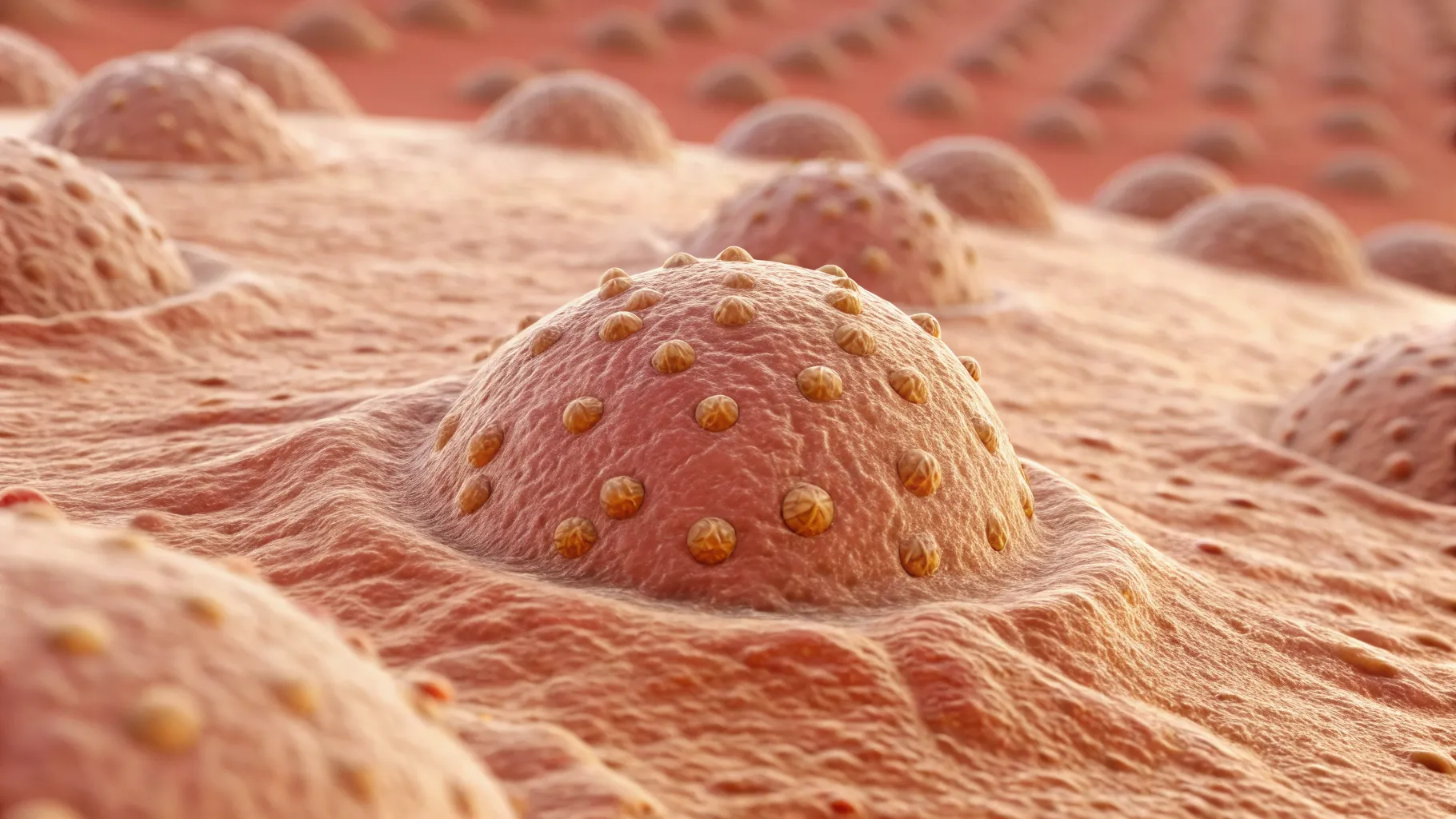
What Are Those Little Bumps on the Areola?
Those tiny bumps you might see scattered across your areolas have a name: Montgomery glands, or Montgomery's tubercles. They are a type of sebaceous gland, similar to the oil glands found elsewhere on your skin. Every woman has them, though their visibility varies significantly from person to person. For some, they are very pronounced, while for others, they are barely noticeable.
The number of Montgomery glands can also vary widely, typically ranging from a few to over two dozen per areola. Their appearance is not an indication of breast health or size. They are simply a natural part of the breast's structure, present from birth but often becoming more prominent during different life stages due to hormonal shifts.
The Protective Purpose of Montgomery Glands
Far from being a cosmetic imperfection, Montgomery glands serve several important biological functions, particularly related to breastfeeding. Their primary role is to secrete an oily, lubricating substance called lipoid fluid. This fluid helps to moisturize and protect the nipple and areola, preventing them from becoming dry, chapped, or cracked, especially during nursing.
This secretion also has natural antibacterial properties, which helps to keep the area clean and reduce the risk of infection for both mother and baby. Furthermore, researchers believe that the scent of this secretion may be similar to amniotic fluid, helping to guide a newborn baby to the nipple to latch on for their first feeds. It's a remarkable example of how the body prepares itself for nurturing.
Why Their Appearance Can Change
If you've noticed your Montgomery glands suddenly seem larger or more numerous, hormonal fluctuations are almost always the cause. These changes are a classic early sign of pregnancy. As the body prepares for breastfeeding, increased levels of estrogen and progesterone stimulate the glands, causing them to enlarge and become more active.
Pregnancy isn't the only trigger. Other periods of hormonal change can also affect their appearance. Many women notice them becoming more visible during puberty or at certain points in their menstrual cycle. These changes are typically temporary and are simply a sign that your endocrine system is functioning as it should. Once hormones stabilize, the glands often return to their previous, less noticeable state.
Normal Variations and When to Be Concerned
It's important to understand what is normal for your own body. The size, shape, and number of Montgomery glands are unique to each individual. Having very prominent bumps or very few is usually not a cause for alarm. They are a normal anatomical feature, and their typical appearance is part of your body's baseline.
However, like any part of the skin, they can occasionally become blocked or irritated. While uncommon, it's wise to be aware of signs that might warrant a visit to a healthcare provider. You should seek medical advice if you experience any of the following symptoms in the areola area:
- Persistent pain, redness, or swelling
- Discharge that is bloody or pus-like
- A lump that feels hard, is growing, or does not move
- Itching or a rash that doesn't go away
Caring for the Areola Area
Proper care for the areola and its glands is straightforward and requires a gentle approach. The most important rule is to avoid squeezing, picking, or trying to 'pop' the bumps. Attempting to do so can lead to irritation, inflammation, and potential infection, as it can damage the delicate skin and introduce bacteria.
When bathing, simply wash the area with warm water. If you use soap, opt for a mild, unscented variety to avoid stripping the natural protective oils secreted by the glands. Pat the area dry gently with a soft towel. Avoid using harsh scrubs, exfoliants, or astringents on your breasts, as these products can cause dryness and irritation to the sensitive skin of the nipple and areola.
Common Misconceptions About These Bumps
Due to a lack of information, several myths surround Montgomery glands. One common misconception is that they are a form of acne or pimples. While they are a type of sebaceous gland, they are not pimples and should not be treated with acne medications, which can be overly drying and irritating.
Another concern is whether their prominence is a sign of a serious health problem. In the vast majority of cases, visible Montgomery glands are a normal, healthy feature. Their enlargement is typically linked to harmless hormonal changes. If you ever have concerns about changes in your breasts, consulting with a doctor is always the best course of action for peace of mind and accurate information.