
The Dental Implant Option More Adults Are Exploring Today
For many adults dealing with significant tooth loss, traditional dentures or extensive bridgework were once the primary options. However, advancements in dental technology have introduced more stable and permanent solutions. One particular approach to dental implants has been gaining significant attention for its efficiency and effectiveness in full-mouth restoration.
What Is a Full-Arch Implant System?
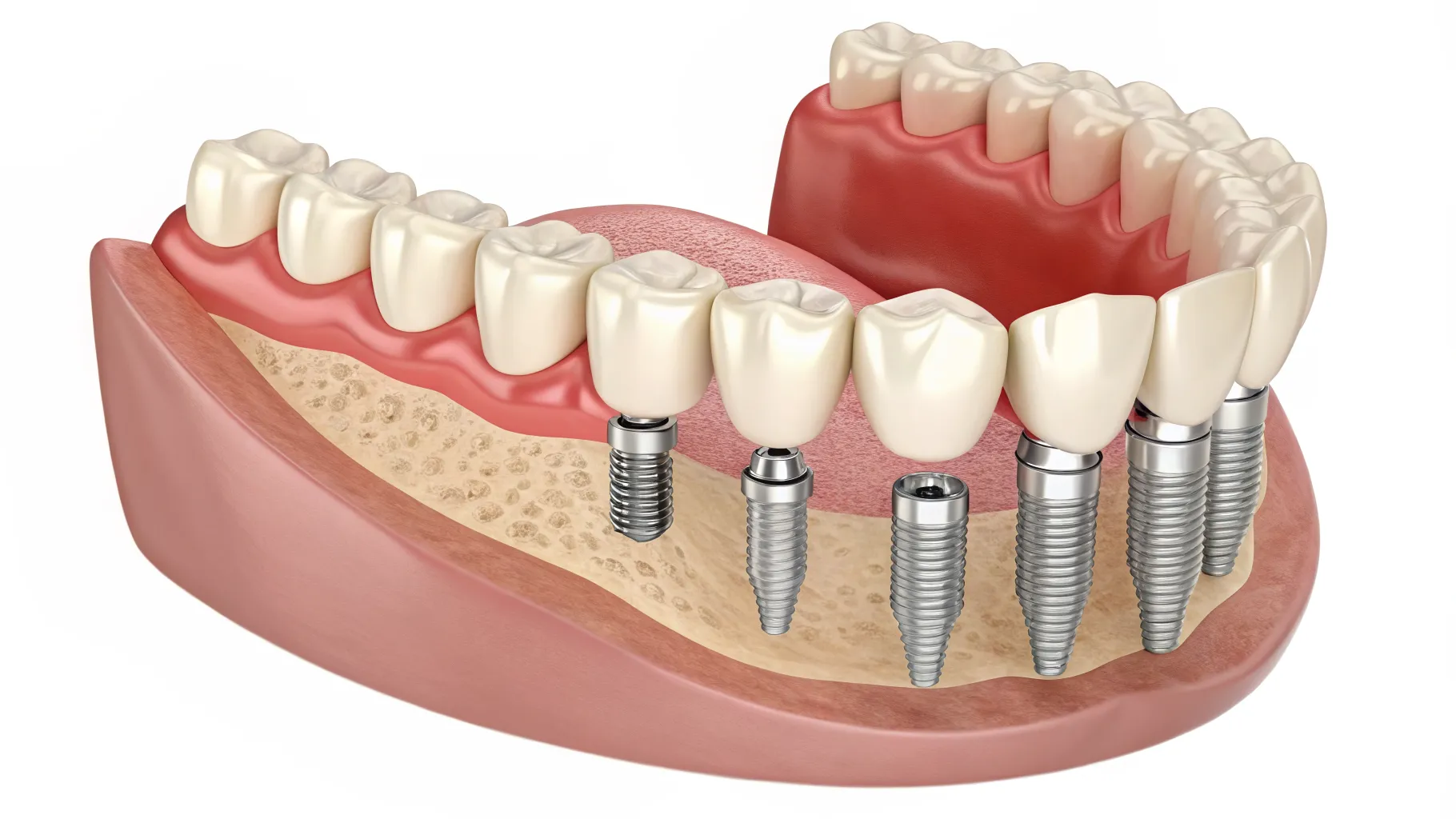
A full-arch implant system, often referred to by trademarked names like All-on-4, is a technique used to replace an entire upper or lower set of teeth. Unlike traditional approaches that might require an implant for every missing tooth, this method uses a minimal number of strategically placed implants, typically four to six, to support a complete, fixed dental bridge. This bridge holds a full row of prosthetic teeth and is permanently secured to the implants.
The implants are made of titanium, a biocompatible material that fuses with the jawbone in a process called osseointegration. This fusion creates a strong and stable foundation for the new teeth, mimicking the function of natural tooth roots. The rear implants are often placed at an angle to maximize contact with existing bone, which can sometimes eliminate the need for extensive bone grafting procedures.
Why Is This Option Gaining Popularity?
The growing interest in full-arch implant solutions stems from several key advantages over older methods. For many, the primary appeal is the stability and function it restores. Unlike removable dentures, an implant-supported bridge does not slip, click, or require adhesives. This allows individuals to eat, speak, and laugh with a level of confidence that is often difficult to achieve with traditional dentures.
Furthermore, the procedure can often be completed in a shorter timeframe compared to replacing each tooth with an individual implant. In many cases, a temporary yet functional set of teeth can be attached on the same day as the implant surgery. This immediate improvement in appearance and function is a significant factor for many adults considering their options for tooth replacement.
Who Is an Ideal Candidate for This Procedure?
Ideal candidates are typically adults who have lost most or all of their teeth in one or both jaws, or those who have failing teeth that require extraction. A crucial factor for success is having adequate jawbone volume and density to support the implants. A dental professional will use advanced imaging, such as a CT scan, to assess the bone structure and plan the precise placement of each implant.
General health also plays a significant role. Candidates should be in good overall health to undergo a surgical procedure. Conditions like uncontrolled diabetes or a history of radiation therapy to the jaw area may affect healing and implant success. A thorough consultation with a dental implant specialist is necessary to determine if this treatment is the right choice for an individual's specific circumstances.
The Treatment Process: A Step-by-Step Overview
The journey to a new smile with full-arch implants involves several distinct stages. It begins with a comprehensive consultation, including a dental examination, health history review, and advanced imaging. This allows the dental team to create a detailed and personalized treatment plan.
The next stage is the surgical procedure, where the implants are placed into the jawbone. This is typically performed under sedation or general anesthesia for patient comfort. In many cases, any remaining failing teeth are extracted during the same appointment. A temporary, custom-made prosthesis is then attached to the implants, allowing the patient to leave with a functional set of teeth. After a healing period of several months, during which the implants fuse with the bone, the final, permanent bridge is fabricated and secured.
Key Benefits and Potential Considerations
The advantages of this dental implant technique are numerous and contribute to its rising popularity. Beyond stability and aesthetics, implants help preserve the jawbone. When teeth are lost, the underlying bone begins to shrink, but implants stimulate the bone, helping to maintain facial structure.
However, it is important to be aware of potential considerations. The procedure is a surgical one, carrying the same risks as any surgery, such as infection or nerve sensitivity. While the success rate for dental implants is very high, failure can occur, particularly if post-operative care instructions are not followed. It is essential to discuss all potential benefits and risks with a qualified provider before making a decision.
Long-Term Care and Maintenance
A common misconception is that dental implants do not require maintenance. While the prosthetic teeth will not decay, the surrounding gums and bone are still susceptible to disease. Proper long-term care is vital for the longevity of the implants and the overall health of your mouth. This involves a commitment to excellent oral hygiene habits.
Daily care routines should include:
- Brushing the prosthesis just as you would natural teeth.
- Using special tools like water flossers or interdental brushes to clean around the implants and under the bridge.
- Attending regular professional cleanings and check-ups with your dental provider.
With consistent care, a full-arch implant bridge can last for many years, providing a durable and reliable solution for tooth loss.