The Growing Popularity of At-Home Teeth Whitening Strips
At-home teeth whitening has become a staple in many personal care routines, and whitening strips are often the product of choice. Their rise in popularity isn't accidental; it's a result of advancements in dental technology, increased accessibility, and a shift in consumer preferences towards convenient, effective solutions. Understanding the science, benefits, and considerations behind these products can help explain why they are a common sight in shopping carts and bathroom cabinets.
How Teeth Whitening Strips Work
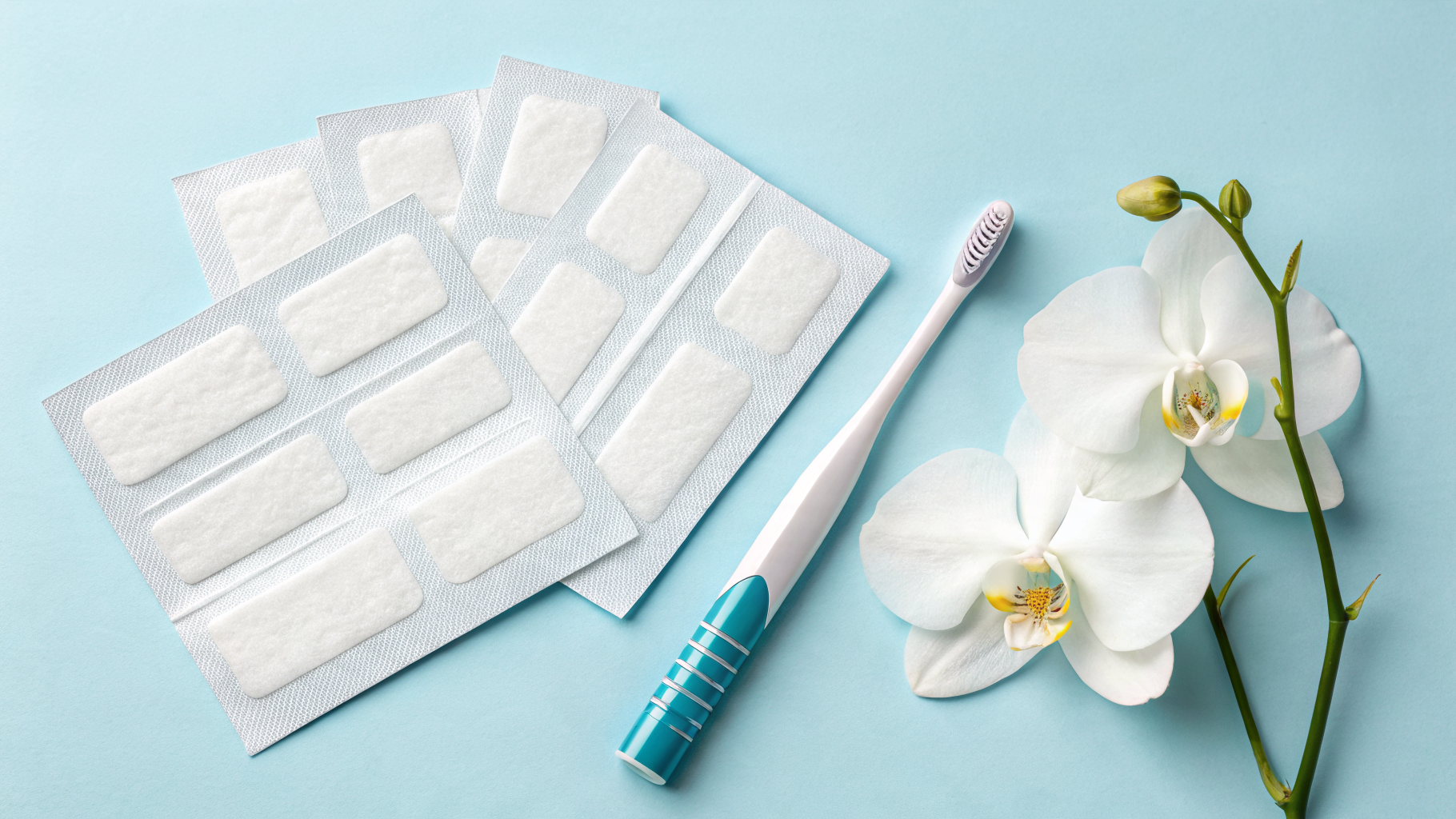
The effectiveness of whitening strips lies in their active ingredients. Most strips are thin, flexible pieces of plastic coated with a gel containing a peroxide-based bleaching agent. The two most common agents are hydrogen peroxide and carbamide peroxide. When applied to the teeth, the peroxide breaks down and releases oxygen molecules that penetrate the tooth enamel.
These oxygen molecules react with the discolored molecules that cause stains, effectively breaking the chemical bonds that hold them together. This process, known as oxidation, lifts stains from the tooth's surface without damaging the enamel. The concentration of the peroxide agent can vary between products, which often corresponds to the intensity and speed of the whitening results.
The Appeal of Convenience and Simplicity
One of the biggest drivers of the popularity of whitening strips is their ease of use. Unlike older at-home methods that involved messy trays and syringes of gel, strips are designed for a simple, no-fuss application. Users peel the strip from its backing and apply it directly to their teeth. The treatment time is typically around 30 minutes per day, allowing individuals to carry on with other activities during the process.
This convenience fits seamlessly into modern, busy lifestyles. There is no need to schedule appointments or set aside significant time. The entire treatment course, which can last from a few days to a couple of weeks, can be completed from the comfort of one's own home, making it a highly accessible option for a wide range of people.
Cost-Effectiveness Compared to Professional Options
While professional, in-office teeth whitening performed by a dentist offers dramatic and immediate results, it comes at a significant cost. These procedures can run into several hundred or even thousands of dollars. Teeth whitening strips present a much more affordable alternative, with most kits available for a fraction of the price of a single professional session.
This price difference makes teeth whitening accessible to a much broader audience. Consumers can achieve noticeable results without a substantial financial investment. While the results may be more gradual and less dramatic than professional treatments, the value proposition is a major factor in why so many people choose strips as their preferred whitening method.
Understanding the Types of Stains They Target
It's important to understand what whitening strips can and cannot do. They are most effective on extrinsic stains, which are discolorations on the surface of the enamel. These are typically caused by external factors. Common sources of extrinsic stains include:
- Coffee and tea
- Red wine
- Dark-colored sodas
- Tobacco use
- Certain pigmented foods like berries
However, strips are generally less effective on intrinsic stains. These are stains that are located in the inner layer of the tooth, called dentin. Intrinsic discoloration can be caused by trauma to the tooth, certain medications, or excessive fluoride exposure during childhood. For these deeper stains, professional treatments like internal bleaching or cosmetic options like veneers may be more suitable.
Managing Expectations for Results
While advertising often showcases brilliant white smiles, it's crucial for users to have realistic expectations. The final results from using whitening strips can vary significantly from person to person. Factors like the initial shade of the teeth, the type and severity of the stains, and consistent use all play a role in the outcome.
Most users can expect to see their teeth lighten by several shades over the course of a full treatment. The results are not permanent, as teeth will naturally continue to accumulate stains from food and drink over time. To maintain the brighter shade, individuals may need to perform touch-up treatments periodically or adjust their lifestyle habits to avoid common staining agents.
Safety and Potential Side Effects
When used as directed, teeth whitening strips are considered safe for most people. However, some individuals may experience side effects, the most common of which is tooth sensitivity. This occurs when the peroxide temporarily penetrates the enamel and irritates the nerve of the tooth. This sensitivity is usually mild and subsides shortly after the treatment period ends.
Another possible side effect is gum irritation. This can happen if the whitening gel comes into contact with the gums for an extended period. To minimize these effects, it is important to choose products with an appropriate peroxide concentration, avoid overusing the strips, and ensure they are applied carefully to the teeth without overlapping onto the gums. Many brands also offer formulas specifically designed for sensitive teeth, which contain lower concentrations of the whitening agent.