
The Joint Treatment More People Are Trying: What to Know
Living with chronic joint pain can be a challenge, prompting many to seek out new and innovative treatment options. When conventional methods like physical therapy or medication don't provide enough relief, some people explore regenerative medicine. One approach in this field that has grown in popularity is Platelet-Rich Plasma therapy, commonly known as PRP.
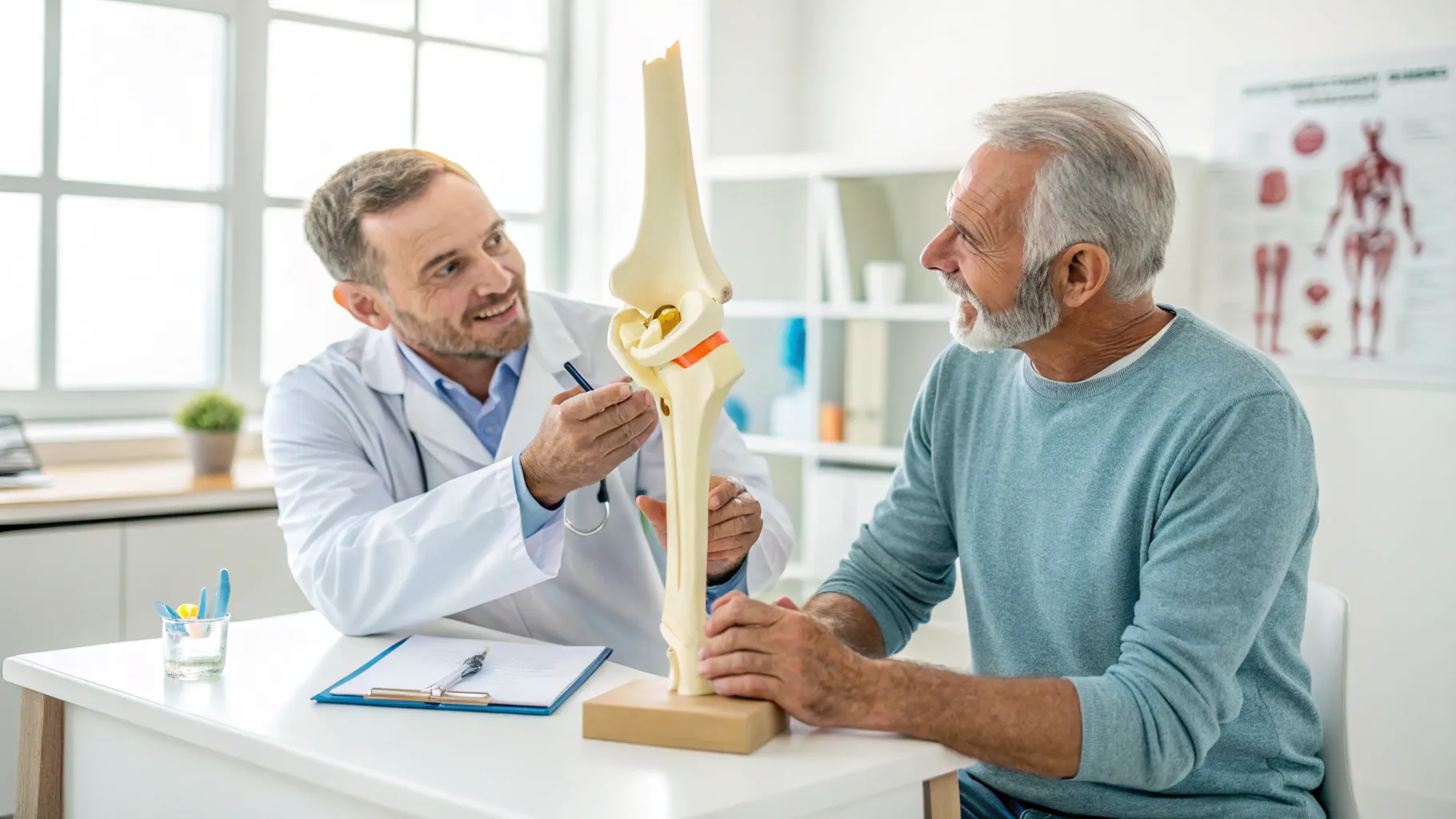
What Is This Increasingly Popular Joint Treatment?
Platelet-Rich Plasma (PRP) therapy is a form of regenerative medicine that uses a concentration of a patient's own platelets to help accelerate the healing of injured tendons, ligaments, muscles, and joints. The core idea is to harness the body's natural healing abilities and focus them on a specific area of injury or degeneration. Platelets, which are components of our blood primarily known for clotting, are also rich in growth factors and proteins that are crucial for tissue repair.
By isolating and concentrating these platelets from a blood sample, medical professionals can create a powerful injectable solution. This solution is then delivered directly into the affected joint or tissue. The goal is to reduce pain, improve joint function, and, in some cases, slow down or repair damage to cartilage. It is considered a biologic treatment because it comes directly from the patient's own body, which reduces the risk of certain adverse reactions.
How Does PRP Therapy Work for Joints?
The process behind PRP therapy is based on a straightforward biological principle: growth factors stimulate healing. When you get a cut, platelets rush to the area to stop the bleeding and begin the repair process. PRP therapy essentially amplifies this natural response. The procedure begins with a simple blood draw from the patient's arm, similar to a routine blood test. This blood is then placed in a centrifuge, a machine that spins at high speed to separate the blood into its different components.
Through this spinning process, the red blood cells, white blood cells, plasma, and platelets are isolated. The platelet-rich portion of the plasma is collected, resulting in a concentration of platelets that is several times higher than what is found in normal blood. A practitioner then injects this concentrated plasma directly into the painful joint, often using ultrasound guidance to ensure precise placement. Once injected, the concentrated growth factors are released, signaling the body to initiate a healing cascade, reduce inflammation, and recruit stem cells to the area to aid in tissue regeneration.
Which Joint Conditions Can It Address?
PRP therapy is used to address a variety of musculoskeletal and joint conditions, particularly those that have not responded well to more conservative treatments. Its application is most widely studied and utilized for osteoarthritis, especially in the knee. Many people with mild to moderate knee arthritis have sought out PRP to manage pain and improve mobility.
Beyond osteoarthritis, PRP is also used for a range of soft tissue injuries. Some common conditions that may be treated with this therapy include:
- Chronic tendon injuries, such as tennis elbow or golfer's elbow
- Rotator cuff tears in the shoulder
- Achilles tendonitis
- Plantar fasciitis
- Ligament sprains, like injuries to the knee's MCL
It's important to note that the effectiveness can vary depending on the specific condition, its severity, and the individual patient. Research is ongoing to better understand which conditions respond best to this type of treatment.
What to Expect During the PRP Procedure
For the patient, the entire PRP procedure is relatively straightforward and is typically performed in an outpatient setting, meaning you can go home the same day. The entire process usually takes about one to two hours. The first step is the blood draw, where a small amount of blood is taken from your arm. This blood is then processed in the centrifuge, which can take 15 to 20 minutes.
Once the platelet-rich plasma is prepared, the area around the target joint will be cleaned. A local anesthetic may be applied to numb the skin and minimize discomfort during the injection. Using imaging like ultrasound, the doctor will guide the needle to the precise location within the joint or tissue and inject the PRP. After the injection, you may be advised to rest the joint for a short period and avoid strenuous activities for a few weeks to allow the healing process to begin. Some temporary soreness or swelling at the injection site is common.
Potential Benefits and Success Rates
The primary potential benefits of PRP therapy for joints are reduced pain and improved function. Many patients report being able to return to activities they previously found too painful. Because the treatment uses the patient's own blood, the risk of an allergic reaction or disease transmission is virtually eliminated. It offers a less invasive alternative to surgical procedures like joint replacement, which may be appealing for those who are not candidates for surgery or wish to postpone it.
Success rates for PRP are a subject of ongoing research and can be highly variable. Some studies show significant improvement, while others are less conclusive. The outcome often depends on the joint being treated, the severity of the condition, the patient's overall health, and the specific protocol used for preparing and injecting the PRP. It is not a guaranteed cure, but rather a treatment that aims to manage symptoms and improve the body's healing environment.
Risks and Important Considerations
While PRP is generally considered a low-risk procedure, no medical treatment is entirely without potential side effects. The most common risks are related to the injection itself and include temporary pain, soreness, swelling, or bruising at the injection site. There is also a small risk of infection or nerve damage, as with any injection. Because the treatment involves concentrating blood components, it is not recommended for individuals with certain blood disorders, active infections, or other specific medical conditions.
One of the most significant considerations for many people is the cost. PRP therapy is often not covered by insurance plans, as many providers consider it an experimental or investigational treatment. The cost can range from several hundred to a few thousand dollars per injection, and some conditions may require a series of injections. It is crucial to have a thorough discussion with a qualified healthcare provider to understand the potential benefits, risks, and total expected costs before deciding to proceed.
Who Is a Good Candidate for PRP Therapy?
Determining who might benefit from PRP therapy requires a comprehensive evaluation by a medical professional specializing in orthopedics or sports medicine. Generally, ideal candidates are individuals with mild to moderate osteoarthritis or chronic tendon injuries that have not responded to first-line treatments like rest, physical therapy, and anti-inflammatory medications. The patient's overall health plays a significant role; those who do not smoke and are in good health tend to have better outcomes.
Conversely, PRP may not be suitable for everyone. Individuals with severe arthritis, where the cartilage is completely worn away ('bone on bone'), are less likely to experience significant benefits. Additionally, patients with certain underlying conditions, such as bleeding disorders, active cancer, or systemic infections, are typically not candidates for this treatment. A thorough medical history and physical examination, sometimes accompanied by imaging like X-rays or an MRI, are necessary to determine if PRP is a viable option for your specific joint issue.