
The Perception of Beauty: Why Areola Size Is Part of the Conversation
The concept of the 'ideal' body has shifted dramatically throughout human history, influenced by a complex interplay of cultural, social, and biological factors. One specific physical trait that has entered this conversation is the size of the areola. While attractiveness is entirely subjective, certain trends and perceptions have emerged over time, and understanding their origins can provide insight into the nature of beauty standards themselves.
Media's Influence on Body Ideals
For decades, popular media has played a significant role in shaping public perception of beauty. From classic art to modern magazines and digital platforms, the images we consume often present a narrow and curated version of the human form. In many Western media portrayals, the breasts shown are often of a specific type, which can include smaller, lighter-colored areolas. This repetition can create an unconscious bias, leading people to view this specific look as the norm or the ideal.
Furthermore, the rise of digital photo editing has amplified this effect. Images are frequently altered to meet a specific aesthetic, which can involve changing everything from skin texture to body proportions, including areola size and color. This creates an unrealistic standard that does not reflect the natural diversity of human bodies, yet it becomes the benchmark against which many people compare themselves and others.
Evolutionary Psychology and Subconscious Cues
Some theories from evolutionary psychology suggest that certain physical traits are perceived as attractive because they act as subconscious cues for youth, health, and fertility. In the context of areolas, one hypothesis is tied to the changes the body undergoes during pregnancy and breastfeeding. Hormonal shifts can cause the areolas to darken and increase in size, which serves a biological purpose in guiding a newborn to nurse.
As a result, some theorists propose that a smaller, lighter areola may be subconsciously associated with nulliparity, or never having given birth. This can be linked to perceptions of youthfulness, which is often a component of attraction in many cultures. It is crucial to remember that these are theories about subconscious drivers and not definitive rules of attraction or indicators of a person's value.
Changing Standards Throughout History
Beauty ideals are not static; they evolve over time and vary significantly across different cultures. What is considered attractive in one era can be seen differently in the next. For instance, historical art from different periods reveals a wide range of body types celebrated as beautiful. The full-figured women in Renaissance paintings often display bodies that differ greatly from the athletic ideals of the late 20th century.
This same principle applies to breast and areola appearance. There has never been a single, universally accepted standard throughout history. The current focus on a specific look is a relatively recent phenomenon, largely driven by the global reach of modern media. Understanding this historical context helps to deconstruct the idea that any single trait is inherently more attractive than another.
The Psychology of Neoteny and Attraction
Another psychological concept that may play a role is neoteny, which is the retention of juvenile or childlike features in adults. Features like large eyes, a small nose, and a rounded face are often cited as neotenous traits that can trigger feelings of affection and care, and are widely considered elements of attractiveness. This preference is thought to have roots in our instinct to nurture and protect the young.
Applied to other physical attributes, this concept could extend to a preference for smaller, more delicate features in general. A smaller areola might fit into this broader psychological framework, being perceived as a more 'youthful' trait. This is not a conscious thought process but rather a potential subconscious bias that can influence aesthetic preferences.
The Role of the Cosmetic Surgery Industry
The cosmetic surgery industry often reflects and reinforces prevailing beauty standards. The availability of procedures like areola reduction surgery indicates that there is a demand from individuals who feel their areolas do not align with the perceived ideal. The marketing and discussion around such procedures can further solidify the notion that a certain size is more desirable.
It is important for individuals considering such options to be well-informed. These procedures involve surgically removing a portion of the pigmented skin and reshaping the area. While they can achieve a specific aesthetic outcome, they also carry risks like scarring, loss of sensation, and potential complications with future breastfeeding. Understanding the procedure from a medical standpoint is different from pursuing it solely due to social pressure.
Body Positivity and Embracing Diversity
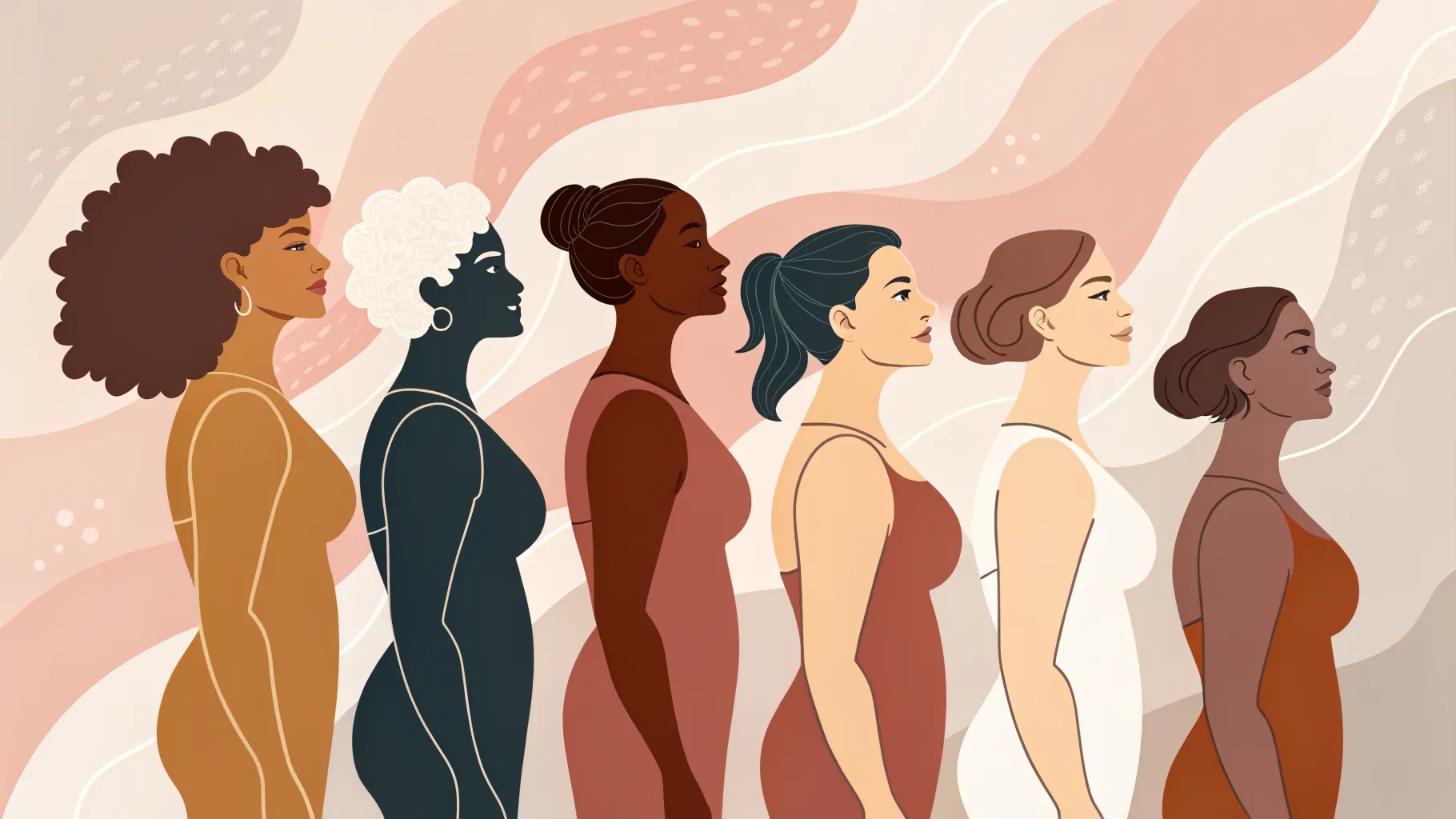
In response to narrow and often unattainable beauty standards, the body positivity movement has gained significant momentum. This movement advocates for the acceptance and celebration of all body types, sizes, shapes, and colors. It challenges the idea that there is only one way to be beautiful and encourages people to appreciate their bodies for what they are and what they can do.
Areola size, like height, hair color, or foot size, is simply a matter of natural human variation. They can be large or small, light or dark, round or oval, and their appearance can change throughout a person's life due to puberty, pregnancy, and aging. Ultimately, attractiveness is subjective, and embracing this diversity is key to fostering a healthier and more inclusive understanding of beauty.