
The Power of Digestive Probiotics and Supplements
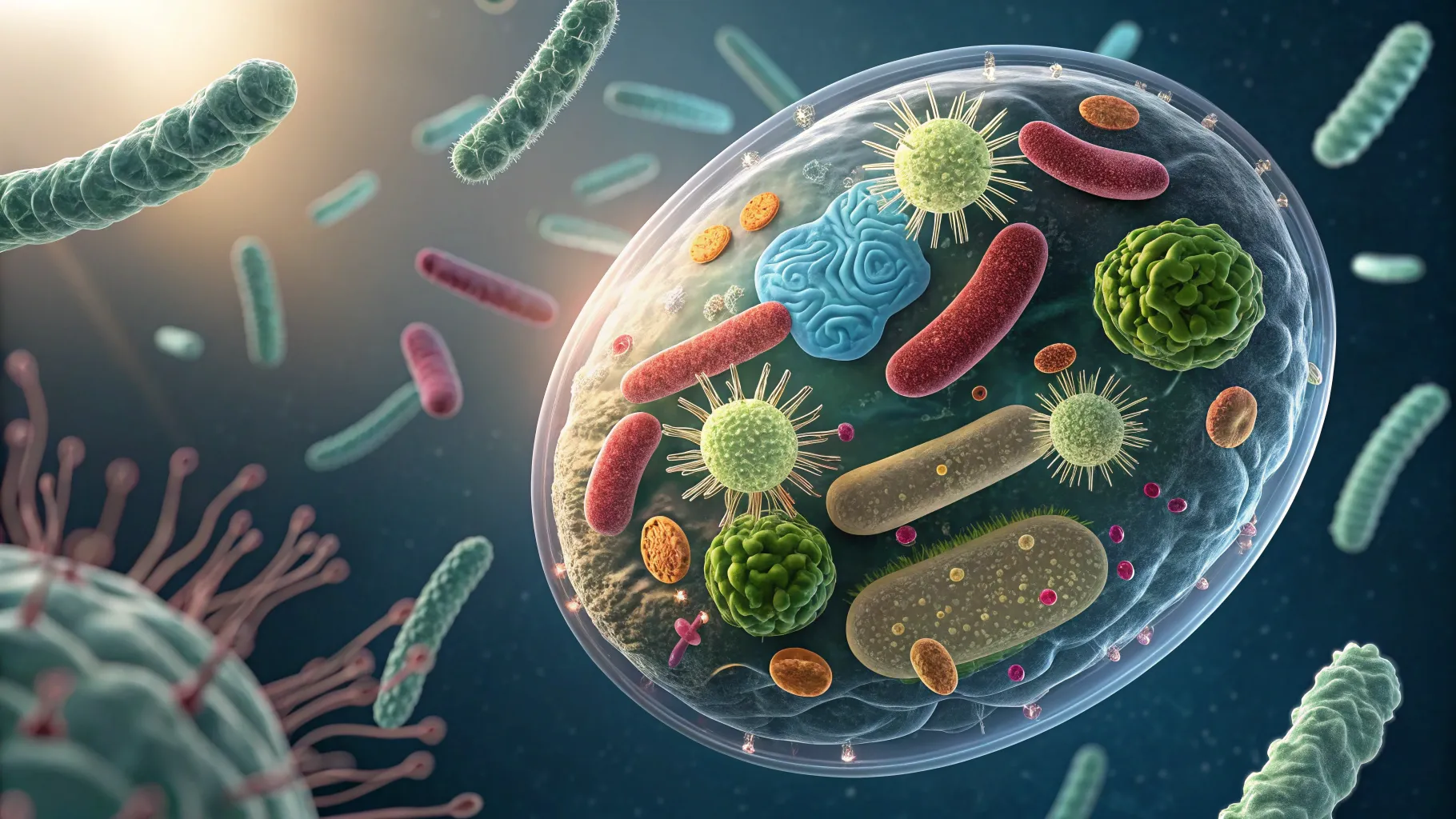
Probiotics, often referred to as 'good bacteria,' are live microorganisms that, when administered in adequate amounts, confer a health benefit on the host. The increasing scientific focus on the importance of digestive health has brought probiotics and supplements to the forefront of wellness discussions. This article aims to deepen your understanding probiotics and their role in maintaining a balanced gut microbiome, which is crucial for overall well-being.
Understanding Probiotics and Their Role in Digestive Health
The human gut is home to trillions of microorganisms, collectively known as the gut microbiome. This intricate ecosystem plays a pivotal role in digestion, nutrient absorption, immune function, and even mood regulation. Probiotics contribute to this balance by:
- Competing with harmful bacteria: They help keep pathogenic bacteria in check, preventing their overgrowth.
- Producing beneficial substances: Such as short-chain fatty acids (SCFAs), which are vital for gut wall integrity and overall health.
- Supporting immune responses: A significant portion of the immune system resides in the gut, and a healthy microbiome enhances its function.
- Aiding digestion: They can help break down complex carbohydrates and improve the absorption of certain vitamins and minerals.
Types of Digestive Probiotics and How They Work
When considering types of digestive probiotics, it's important to recognize that different strains offer distinct benefits. The most common types belong to two main genera: Lactobacillus and Bifidobacterium.
Common Probiotic Strains:
- Lactobacillus: Found in yogurt and other fermented foods, strains like L. acidophilus, L. plantarum, and L. rhamnosus are known for supporting digestion and nutrient absorption, particularly in the small intestine.
- Bifidobacterium: Typically found in the large intestine, strains such as B. longum, B. breve, and B. infantis are often associated with immune support and alleviating symptoms of irritable bowel syndrome (IBS).
- Saccharomyces Boulardii: A beneficial yeast that can help address antibiotic-associated diarrhea and traveler's diarrhea.
Each strain works by colonizing the gut, interacting with the existing microbiota, and modulating the intestinal environment to favor beneficial bacteria.
The Benefits of Taking Probiotic Supplements
For many, dietary sources alone may not provide sufficient probiotic diversity or quantity. This is where the benefits of taking probiotic supplements become evident. These supplements offer a concentrated dose of specific strains designed to target various health concerns.
Key Benefits Include:
- Improved Digestion: Helping to alleviate symptoms like bloating, gas, and constipation.
- Enhanced Immune Function: Strengthening the gut barrier and modulating immune responses.
- Support for Mental Well-being: Emerging research highlights the gut-brain axis, suggesting probiotics can influence mood and cognitive function.
- Recovery After Antibiotics: Restoring gut flora disrupted by antibiotic use.
- Management of Specific Conditions: Such as IBS, inflammatory bowel disease (IBD), and certain types of diarrhea.
Choosing the Right Probiotic Supplement
With a plethora of products available, choosing the right probiotic supplement can seem daunting. Consider these factors:
- Strain Specificity: Look for supplements with strains scientifically proven to address your specific health goals.
- CFUs (Colony Forming Units): A higher CFU count doesn't always mean better; the effective dosage varies by strain and condition.
- Viability and Storage: Ensure the product is stable and stored correctly to maintain live bacteria until expiration.
- Third-Party Testing: Opt for brands that undergo independent testing for purity and potency.
- Prebiotics: Some supplements include prebiotics (food for probiotics) for enhanced effectiveness.
Consulting with a healthcare professional can provide personalized recommendations based on your individual needs and health status.
Incorporating Probiotics into Your Daily Diet and Lifestyle
While supplements are valuable, incorporating probiotics into your diet through fermented foods is a delicious way to support gut health. Foods like yogurt, kefir, sauerkraut, kimchi, miso, tempeh, and kombucha naturally contain beneficial bacteria.
Tips for Integration:
- Add a spoonful of sauerkraut to your salads.
- Enjoy kefir as a breakfast drink or smoothie base.
- Choose plain, unsweetened yogurt with live active cultures.
- Experiment with fermented vegetables as side dishes.
Alongside dietary choices, a balanced lifestyle including adequate sleep, stress management, and regular exercise also significantly impacts the health of your gut microbiome.
Potential Side Effects and Considerations
While generally safe for most healthy individuals, it's important to be aware of potential side effects and considerations when taking probiotics. Some people may experience mild digestive discomfort, such as gas or bloating, when first starting a supplement. These symptoms usually subside as the body adjusts.
Important Considerations:
- Immunocompromised individuals: Those with weakened immune systems should consult a doctor before taking probiotics.
- Allergies: Check ingredient lists for potential allergens like dairy or soy.
- Quality Control: Ensure supplements are from reputable manufacturers to avoid contaminants.
Always start with a lower dose if sensitive and monitor your body's response.
Exploring the Future of Probiotics and Digestive Wellness
The field of gut microbiome research is rapidly expanding, and exploring the future of probiotics reveals exciting possibilities. Personalized probiotic therapies, based on individual microbiome analysis, are on the horizon. Furthermore, research into psychobiotics (probiotics that influence the brain) and postbiotics (beneficial compounds produced by probiotics) continues to uncover new applications for digestive and overall health. The continued focus on the importance of digestive health ensures that probiotics will remain a cornerstone of wellness strategies for years to come.
References:
https://www.niddk.nih.gov/health-information/digestive-diseases/digestive-system-how-it-works
https://www.ncbi.nlm.nih.gov/pmc/articles/PMC8900762/
https://www.who.int/news-room/fact-sheets/detail/immune-system