
The Price of LED Face Mask Therapy: A Complete Cost Breakdown
Facts:
- LED therapy was originally developed by NASA for plant growth.
- A growing trend is multi-wavelength masks for comprehensive skin treatment.
Decoding the Investment: What Determines LED Face Mask Prices?
Understanding the price of LED face mask therapy requires looking beyond the initial sticker shock. This innovative treatment, once confined to dermatology clinics, is now a mainstream at-home skincare solution. The market is flooded with options, leading to a wide spectrum in the LED light therapy cost. This variation isn't arbitrary; it reflects significant differences in technology, safety, efficacy, and materials. For consumers, navigating this landscape means evaluating whether a device is a simple gadget or a genuine skincare technology investment. The goal is to find a mask that delivers tangible results without overpaying for unnecessary features or underpaying for an ineffective or unsafe product. We will explore the crucial factors that dictate the final price tag you see on these popular devices.
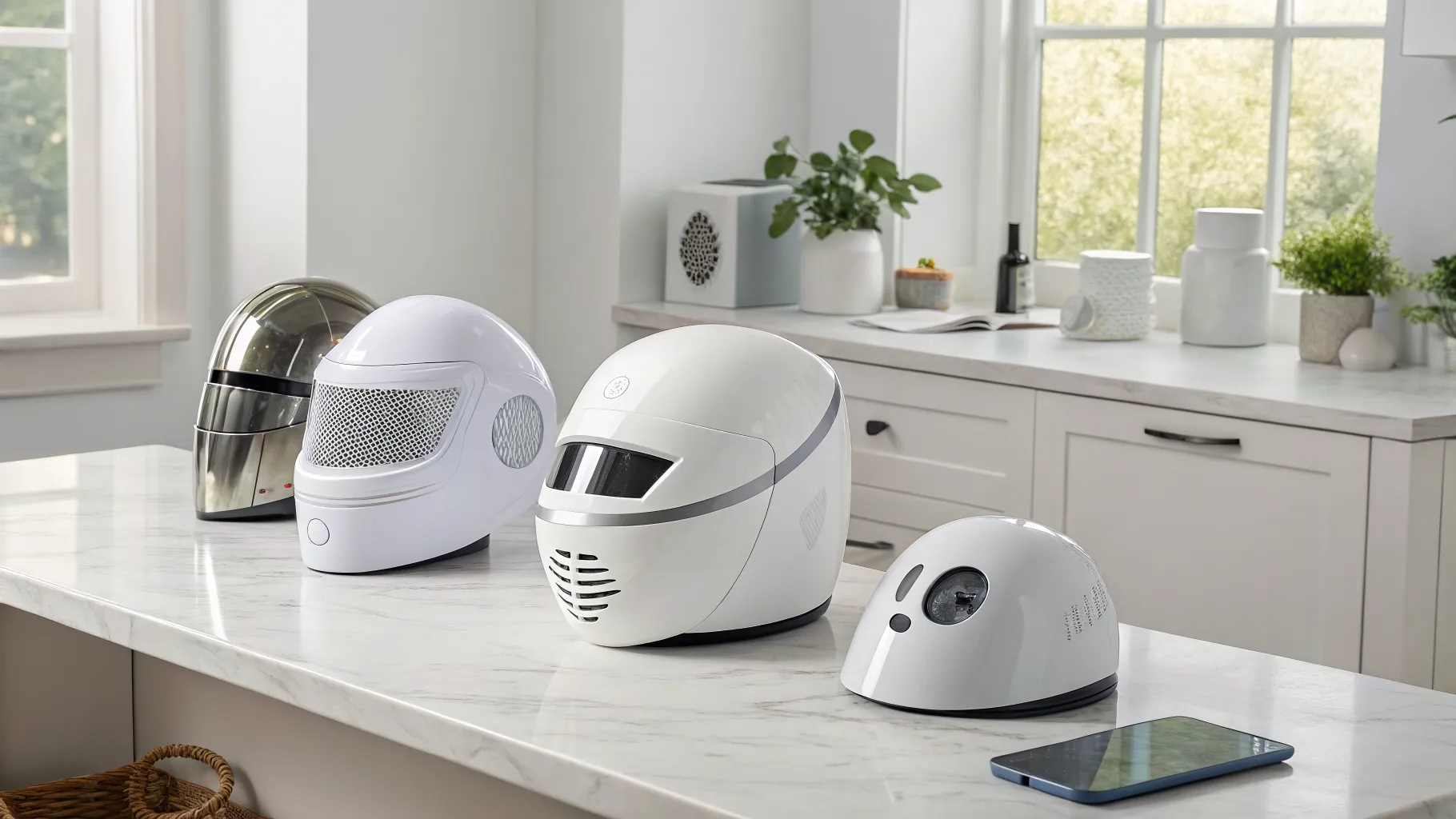
Key Factors Influencing At-Home LED Mask Prices
The at-home LED mask price is determined by a combination of technological and manufacturing elements. The most significant factor is often the quality and quantity of the Light Emitting Diodes (LEDs) themselves. A higher number of medical-grade bulbs generally means better skin coverage and more potent energy delivery, directly impacting the price. Furthermore, the number of available light wavelengths plays a critical role. Masks offering multiple colors (like red for collagen, blue for acne, and near-infrared for inflammation) require more complex engineering, thus increasing the LED light therapy cost. Another crucial price determinant is regulatory clearance, particularly from bodies like the FDA. FDA-cleared devices have undergone rigorous testing for safety and efficacy, providing a level of assurance that comes at a premium. Finally, brand reputation, materials used (e.g., medical-grade silicone vs. hard plastic), and included warranties all contribute to the final cost, making the choice a complex one for potential buyers.
Professional vs. At-Home: A Cost-Benefit Analysis
When considering this treatment, it's essential to compare the cost of professional LED therapy sessions with the one-time purchase of a home device. A single session at a dermatologist's office or medical spa can range from $75 to $300. While these professional machines are more powerful, consistent treatment is key to seeing results, meaning costs can quickly accumulate into thousands of dollars per year. In contrast, the at-home LED mask price is a single upfront expense, typically ranging from $100 to $800 for a quality device. While less potent per session, the ability to use the mask frequently and consistently at home can lead to comparable, if not better, long-term results. This makes a home device a potentially more cost-effective skincare technology investment over time, offering convenience and privacy that clinical visits cannot match. The decision hinges on budget, lifestyle, and the specific skin concerns being addressed.
Are More Expensive LED Masks a Better Skincare Technology Investment?
The question of whether a higher price tag equates to a better device is common. In many cases, a higher LED light therapy cost is justified. Premium masks often feature patented technology, higher energy output (irradiance), specific, clinically-proven wavelengths, and superior construction materials that ensure both comfort and durability. They are also more likely to be FDA-cleared, which is a critical indicator of safety and effectiveness. Cheaper, affordable LED masks may cut corners by using fewer LEDs, less precise wavelengths, or lower-quality materials that can degrade over time. However, the most expensive option is not always necessary for everyone. For individuals targeting general skin rejuvenation or mild acne, a well-reviewed mid-range device can be an excellent skincare technology investment. The key is to research the specifications, look for independent reviews, and prioritize safety certifications over brand hype.
How to Find Affordable LED Masks Without Sacrificing Quality
Finding affordable LED masks that are still effective requires careful research. It's not just about finding the lowest price, but the best value. Here are some actionable tips to guide your purchase:
- Prioritize FDA Clearance: Look for devices that are at least FDA-cleared. This is a baseline for safety and indicates the manufacturer has met certain regulatory standards, a crucial factor even when seeking a lower at-home LED mask price.
- Check the Specifications: Pay close attention to the number of LEDs and the specific wavelengths offered (measured in nanometers). For anti-aging, look for Red light around 630-660nm and Near-Infrared around 830-850nm. For acne, Blue light around 415-465nm is key.
- Read In-Depth Reviews: Go beyond website testimonials. Look for reviews from dermatologists, estheticians, or reputable beauty tech bloggers who often test devices and provide unbiased feedback on their performance relative to their cost.
- Wait for Sales Events: Major shopping holidays like Black Friday, Cyber Monday, or brand anniversary sales can be an excellent time to purchase a higher-quality mask at a significant discount, making a better skincare technology investment more accessible.
The Future Outlook on LED Light Therapy Cost
As with any technology, the future looks bright for consumers hoping for a more accessible LED light therapy cost. As research and development continue and manufacturing processes become more efficient, prices are expected to gradually decrease. We are already seeing a trend where features once exclusive to high-end devices, such as multiple light wavelengths and flexible silicone designs, are trickling down to more affordable LED masks. In the future, we can anticipate the integration of 'smart' features, such as personalized treatment plans via apps and sensors that adapt to specific skin conditions in real-time. While these advancements may initially command a premium, the overall trend points towards greater accessibility, making the long-term skincare technology investment even more appealing to a broader audience.
Frequently Asked Questions
What is the average at-home LED mask price?
The average at-home LED mask price varies significantly. You can find entry-level models for as low as $50-$150, mid-range options from reputable brands for $250-$600, and premium, professional-grade home devices that can cost $800 or more. The price generally reflects the technology, number of LEDs, and safety certifications.
Is the price of LED face mask therapy justified by the results?
For many users, the price of LED face mask therapy is justified by the visible improvements in skin tone, texture, and clarity. Consistent use is crucial. When viewed as a long-term skincare technology investment that replaces or supplements expensive facials or professional LED therapy sessions, a quality home device can be highly cost-effective.
Why are some LED masks so much more expensive than others?
The large variance in LED light therapy cost is due to factors like FDA clearance, the number and quality of LED bulbs, the precision of the light wavelengths, the materials used (medical-grade silicone vs. plastic), brand reputation, and clinical studies backing the device's efficacy. Higher-priced masks generally offer more power, proven results, and a higher safety profile.
References
- Journal of Clinical and Aesthetic Dermatology
- NASA Research on Light Emitting Diodes
- Photomedicine and Laser Surgery Journal
- FDA Device Regulations and Clearances Database