
The Rise of Non-Surgical Eye Bag Treatments: What to Know
Under-eye bags can be a common concern, often making individuals appear more tired than they feel. While surgery was once considered the primary solution, a growing number of people are now turning to non-surgical alternatives. These modern approaches offer a variety of ways to address puffiness and discoloration with minimal disruption to daily life, fueling their increasing popularity.
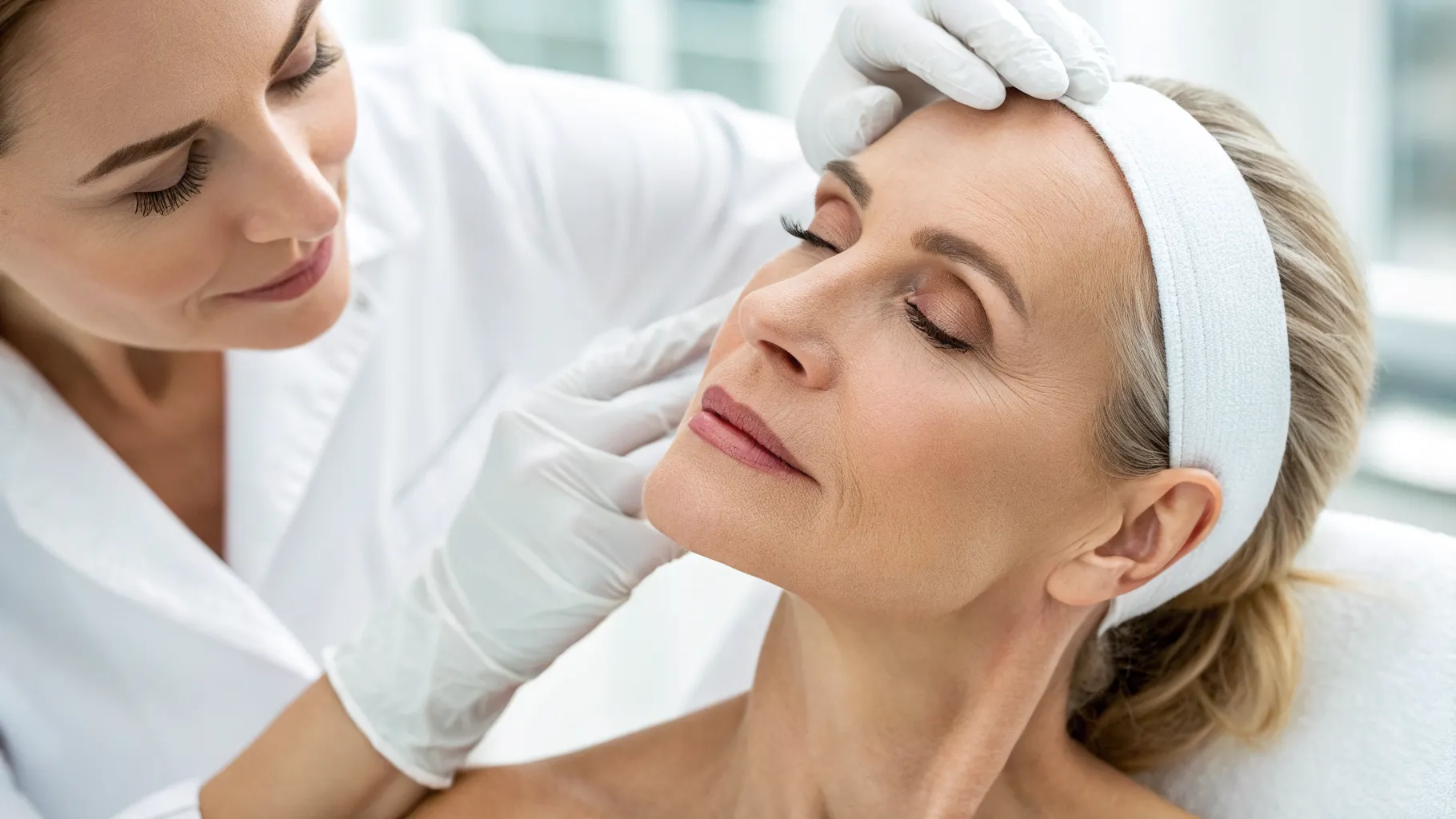
Understanding the Cause of Under-Eye Bags
Before exploring treatments, it is helpful to understand what causes under-eye bags. They are not always a sign of fatigue. One of the most common causes is the natural aging process. As we get older, the tissues and muscles supporting our eyelids weaken. This can cause the fat that normally helps support the eyes to move into the lower eyelids, making them appear puffy. The skin in this area also loses elasticity, which can contribute to the sagging appearance.
Genetics also play a significant role; if your parents have under-eye bags, you may be more predisposed to them. Lifestyle factors can exacerbate the condition as well. Things like fluid retention from high salt intake, lack of sleep, allergies, and smoking can all make under-eye bags more prominent. Identifying the primary cause can help in determining the most effective course of treatment.
The Appeal of Non-Surgical Options
The main draw of non-surgical treatments is the avoidance of invasive procedures. Surgical options, such as a blepharoplasty, involve incisions, anesthesia, and a significant recovery period. Non-surgical methods, by contrast, typically involve minimal to no downtime, allowing individuals to return to their daily activities almost immediately. This convenience is a major factor for those with busy schedules.
Furthermore, non-surgical approaches generally carry fewer risks than surgery. Concerns about anesthesia, scarring, and other surgical complications are greatly reduced. The cost is also often lower, making these treatments more accessible to a wider range of people. While the results may be more subtle and less permanent than surgery, the trade-off for a safer, quicker, and more affordable procedure is one many are willing to make.
Popular Injectable Treatments
Dermal fillers are one of the most common non-surgical solutions for under-eye bags. These are typically made of hyaluronic acid, a substance that occurs naturally in the body. When injected into the tear trough area, which is the hollow region below the eye bag, fillers can restore lost volume and create a smoother transition between the under-eye and the cheek. This camouflages the puffiness and reduces the appearance of shadows.
The procedure is relatively quick, usually taking less than 30 minutes, and is performed in a clinical setting. Results are often visible immediately and can last anywhere from six months to over a year, depending on the type of filler used and the individual's metabolism. While effective for hollowing, fillers are not suitable for everyone, particularly those whose bags are caused by significant fat pads or very loose skin.
Energy-Based Devices and Therapies
Another category of treatments involves energy-based devices that aim to tighten the skin and stimulate collagen production. These technologies can improve skin texture and elasticity, which helps to reduce the appearance of under-eye bags over time. Common modalities include radiofrequency (RF), ultrasound, and laser resurfacing.
These treatments work by delivering controlled energy to the deeper layers of the skin, triggering the body's natural healing response. This process encourages the production of new collagen and elastin, leading to firmer, smoother skin. A series of sessions is usually required to achieve optimal results, and improvements appear gradually over several months. These therapies are particularly useful for individuals whose primary concern is skin laxity rather than volume loss.
Topical Solutions and At-Home Care
While not as dramatic as clinical procedures, a consistent at-home skincare routine can support and enhance the results of professional treatments. Medical-grade eye creams containing specific active ingredients can make a noticeable difference in the skin's appearance. Look for products with ingredients known to address common under-eye concerns.
Some of the most effective ingredients include:
- Retinoids: These vitamin A derivatives help to stimulate collagen production and improve cell turnover, which can thicken the under-eye skin and reduce fine lines.
- Peptides: These are amino acid chains that can also support collagen and elastin production, leading to firmer skin.
- Caffeine: Known for its ability to constrict blood vessels, caffeine can temporarily reduce puffiness and discoloration.
- Hyaluronic Acid: This ingredient hydrates and plumps the skin, which can soften the look of hollows.
What to Consider Before Choosing a Treatment
Choosing the right treatment requires careful consideration and professional guidance. The most important step is to schedule a consultation with a board-certified dermatologist, plastic surgeon, or other qualified medical provider. They can properly assess the cause of your under-eye bags and recommend the most appropriate treatment plan for your specific anatomy and goals.
During your consultation, it is crucial to discuss realistic expectations. Non-surgical treatments offer improvement, not perfection, and the results are often temporary, requiring maintenance sessions. You should also inquire about potential side effects, the total cost of the treatment plan, and any necessary preparations or aftercare. A reputable provider will ensure you are fully informed before you proceed with any procedure.