
Recognizing the Signs of Poor Blood Sugar Control: A 2025 Guide
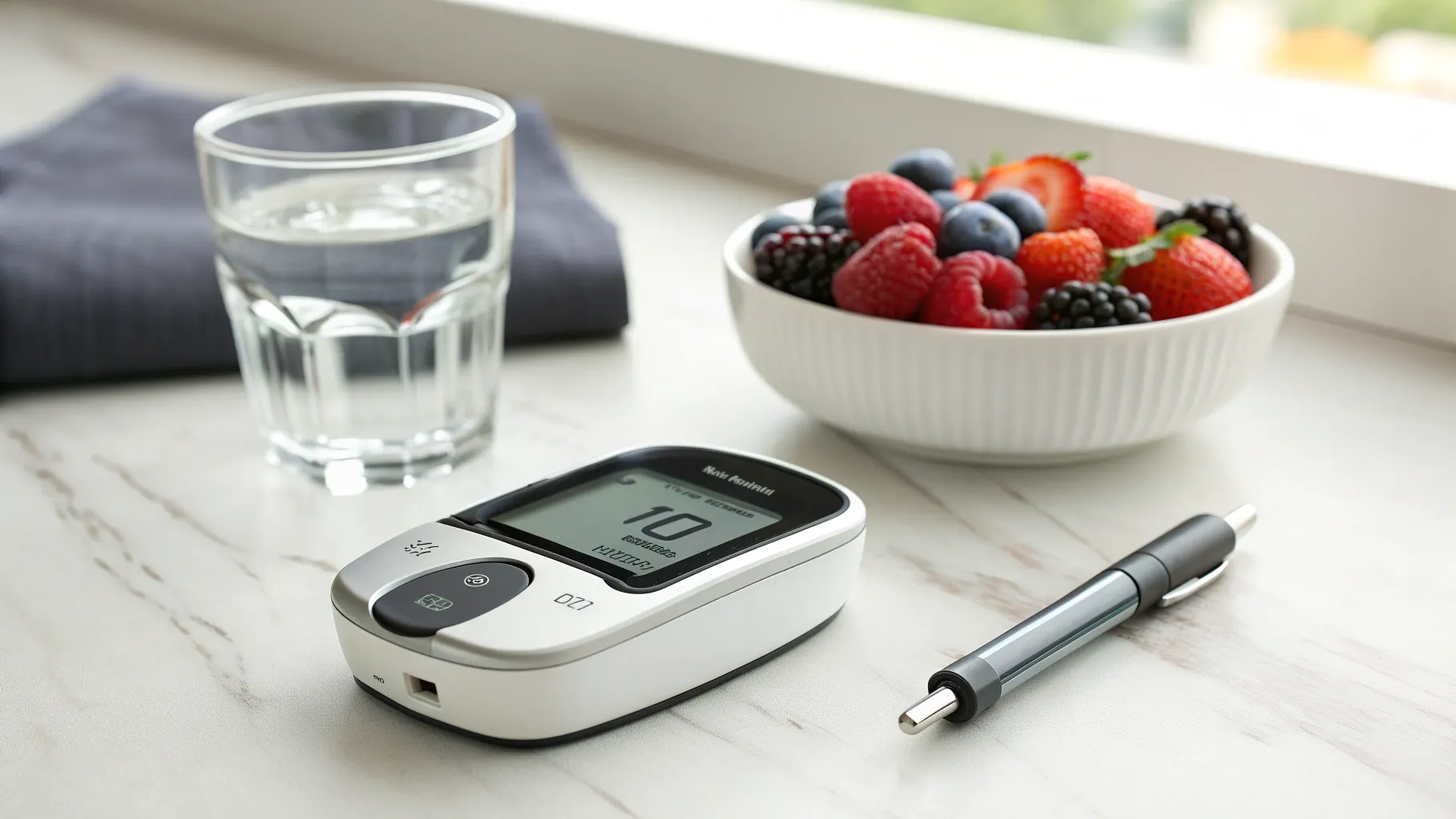
Maintaining stable blood sugar levels is crucial for overall health, especially for individuals with or at risk of diabetes. When your body struggles to regulate glucose, it can lead to various health issues. Recognizing the signs of poor blood sugar control early is the first step toward effective management and preventing long-term complications. As of December 2025, awareness around these symptoms remains a key public health focus.
Frequent Urination and Increased Thirst
One of the earliest and most common signs of high blood sugar (hyperglycemia) is an increase in thirst (polydipsia) and frequent urination (polyuria). When there's excess glucose in your blood, your kidneys work overtime to filter and absorb it. When they can't keep up, the excess sugar is excreted into your urine, dragging along fluids from your tissues, which makes you dehydrated and causes you to urinate more often. This fluid loss, in turn, triggers increased thirst as your body tries to rehydrate itself.
Unexplained Fatigue and Weakness
Feeling constantly tired, even after a full night's sleep, is a significant indicator among the signs of poor blood sugar control. When blood sugar is high, your body's cells can't get the glucose they need for energy. This can happen either because there isn't enough insulin to help the glucose enter the cells or because the cells have become resistant to insulin's effects. Without this essential fuel, your body feels drained and fatigued, impacting your daily activities and overall quality of life.
Blurred Vision and Headaches
High blood sugar levels can cause the lens of your eye to swell, which can change your ability to see clearly. This often results in blurred vision that can come and go. While this condition is often temporary and can resolve once blood sugar levels are stabilized, it's a critical sign that shouldn't be ignored. Additionally, the dehydration and metabolic changes associated with poor blood sugar control can lead to persistent headaches, serving as another warning that your glucose levels may be out of balance.
Slow-Healing Sores and Frequent Infections
Another one of the signs of poor blood sugar control is a compromised ability to heal. High glucose levels can damage nerves and affect circulation, making it harder for blood to reach and repair injuries, especially on the feet. This can cause cuts, sores, or blisters to heal very slowly. Furthermore, hyperglycemia can weaken the immune system, making you more susceptible to infections. Common issues include:
- Skin infections
- Yeast infections (in both men and women)
- Urinary tract infections (UTIs)
- Gum disease
Increased Hunger and Unexplained Weight Loss
Paradoxically, even with high levels of sugar in the blood, the body's cells might be starving for energy. This can trigger intense hunger (polyphagia) as your body craves fuel it can't properly use. Alongside this, you might experience unexplained weight loss. This occurs because, without enough insulin, your body starts breaking down muscle and fat for energy, leading to a loss in overall body weight despite eating more. These contrasting symptoms are classic signs of poorly managed blood sugar.
References:
Centers for Disease Control and Prevention (CDC) - Diabetes Symptoms
Mayo Clinic - Diabetes: Symptoms and Causes
American Diabetes Association - Blood Sugar and Control