
The Skin Treatment Changing How People Look Younger
In the quest for youthful, radiant skin, many people are turning to minimally invasive treatments that offer significant results without the need for surgery. One such procedure has gained widespread popularity for its ability to naturally rejuvenate the skin by harnessing the body's own healing capabilities. This treatment, often referred to as collagen induction therapy, addresses a wide range of common skin concerns, making it a versatile option for those looking to refresh their appearance.
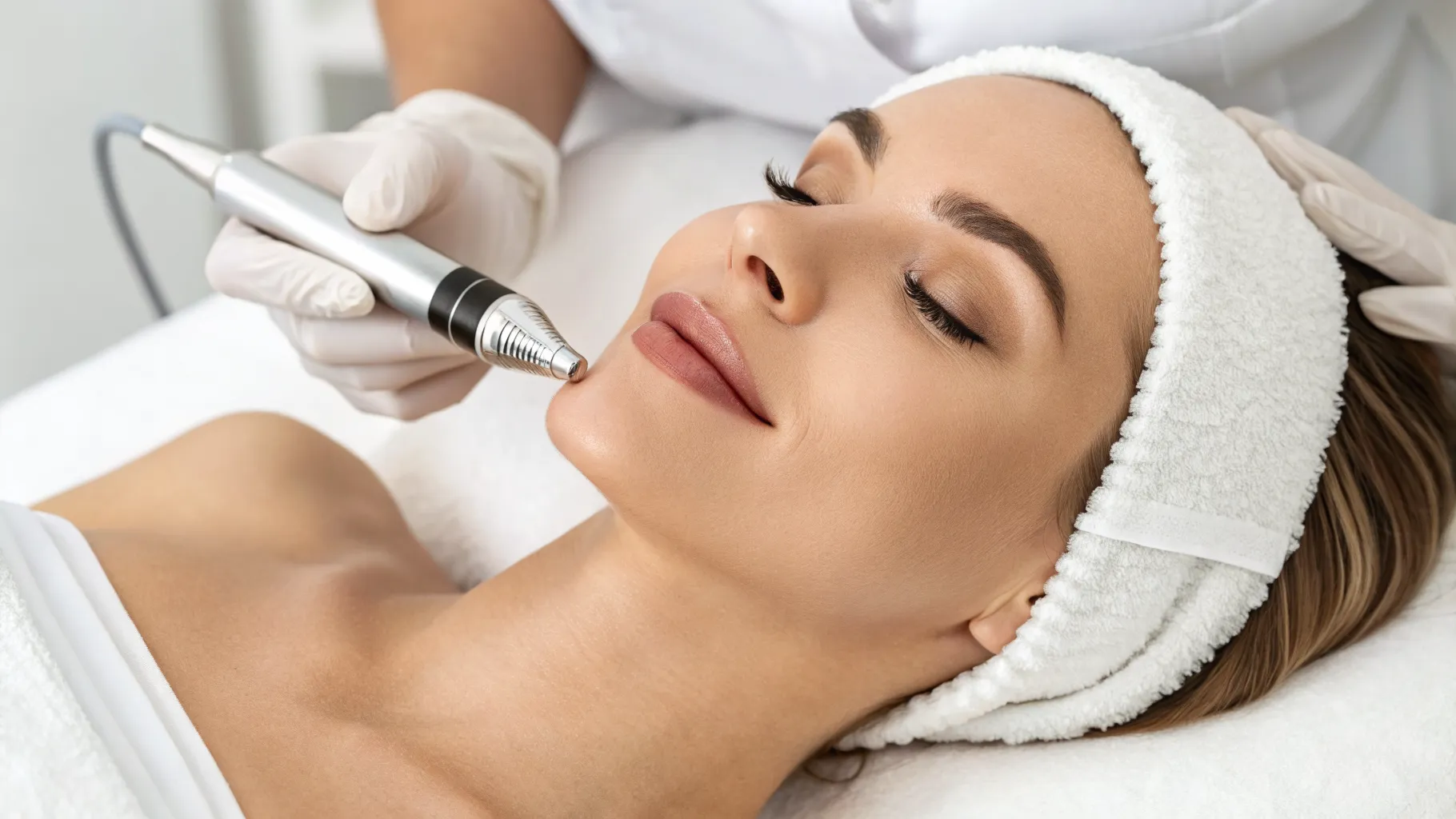
What is This Rejuvenating Treatment?
The treatment in question is microneedling. It is a cosmetic procedure that involves using a device equipped with very fine, short, sterile needles to create tiny punctures in the top layer of the skin. These controlled micro-injuries are superficial and designed to stimulate a natural healing response within the skin's deeper layers.
The primary goal of microneedling is to trigger the body's wound-healing process. When the skin is punctured, it responds by producing new, collagen-rich tissue. Collagen is a crucial protein that provides structure and elasticity to the skin. As new collagen is formed, the skin becomes firmer, smoother, and more toned, effectively remodeling itself from the inside out.
The Science Behind Youthful Skin
To understand why microneedling is effective, it's important to know the role of collagen and elastin. These two proteins are the fundamental building blocks of healthy skin. Collagen provides firmness and structure, while elastin allows the skin to stretch and bounce back. As we age, the natural production of both proteins declines, leading to common signs of aging like wrinkles, fine lines, and sagging skin.
Microneedling essentially 'tricks' the skin into kick-starting its repair mechanisms. The micro-injuries signal the body to increase blood flow and begin producing new collagen and elastin to heal the perceived damage. This process not only repairs the tiny channels created by the needles but also improves the overall texture and resilience of the surrounding skin over time.
Common Skin Concerns It Can Address
One of the reasons for microneedling's popularity is its versatility in treating a variety of dermatological issues. Because it works by stimulating the skin's foundational structure, its benefits can be seen across numerous conditions. Many individuals find it helps improve their skin's overall appearance and health.
Some of the specific concerns that can be effectively targeted with this treatment include:
- Fine lines and wrinkles, particularly around the eyes and mouth
- Acne scars and other types of superficial scarring
- Enlarged pores
- Uneven skin tone and hyperpigmentation, such as sun spots
- Rough or uneven skin texture
- Reduced skin elasticity
- Stretch marks on the body
What to Expect During a Professional Session
A typical microneedling session at a professional clinic begins with a thorough cleansing of the skin. To ensure comfort during the procedure, a topical numbing cream is usually applied to the treatment area and left on for about 30 to 45 minutes. Once the skin is numb, the cream is removed, and a hydrating serum is often applied to allow the microneedling device to glide smoothly over the skin.
The practitioner then uses a sterile, pen-like device to methodically move across the target areas. Patients often describe the sensation as feeling like light sandpaper moving across the skin. The entire process for the face typically takes about 20 to 30 minutes. Following the treatment, a calming serum or mask may be applied to soothe the skin.
Aftercare, Downtime, and Results
Immediately following a microneedling session, it is normal for the skin to appear red and feel sensitive, similar to a mild sunburn. This redness usually subsides significantly within 24 hours, though some pinkness may persist for a couple of days. Minor swelling and peeling can also occur as the skin begins its renewal process.
Post-treatment care is crucial for optimal results and to prevent complications. Professionals typically advise clients to avoid direct sun exposure, strenuous exercise, and harsh skincare products for a few days. Gentle cleansers, moisturizers, and a broad-spectrum sunscreen are essential. Results are not immediate; the skin's appearance will gradually improve over several weeks as new collagen is produced. For the best outcome, a series of 3 to 6 treatments spaced about a month apart is often recommended.
Choosing a Safe and Qualified Provider
While microneedling is considered safe, its effectiveness and safety depend heavily on the skill of the person performing it. Since the procedure involves breaking the skin barrier, there is a risk of infection or scarring if not done correctly and in a sterile environment. It is paramount to choose a provider who is licensed, trained, and experienced.
Look for a board-certified dermatologist, plastic surgeon, or a licensed aesthetician working under medical supervision. During a consultation, do not hesitate to ask about their qualifications, how many procedures they have performed, and to see before-and-after photos of their clients. Ensure the facility is clean and that they use single-use, sterile needle cartridges for each patient to prevent cross-contamination.
At-Home Devices vs. In-Office Treatments
Many at-home microneedling tools, often called derma rollers, are available for purchase. It's important to understand the significant differences between these and professional treatments. At-home devices have much shorter needles (typically 0.25 mm to 0.5 mm) compared to professional devices (which can range from 0.5 mm to 2.5 mm).
Shorter needles primarily help enhance the absorption of skincare products and offer very mild exfoliation, but they do not penetrate deep enough to effectively stimulate significant collagen production. Furthermore, there is a greater risk of damaging the skin, causing infection from improper sterilization, or worsening certain skin conditions with at-home devices. For noticeable and lasting results in addressing concerns like scars and wrinkles, a professional treatment is the recommended course of action.