
The Teeth Whitening Method More People Are Trying
The quest for a brighter, more confident smile has led to a wide array of teeth whitening options over the years. While professional treatments and whitening strips have long been popular, a newer method that uses light technology is gaining significant attention. These at-home kits offer a different approach, promising noticeable results without the high cost of a dental visit.
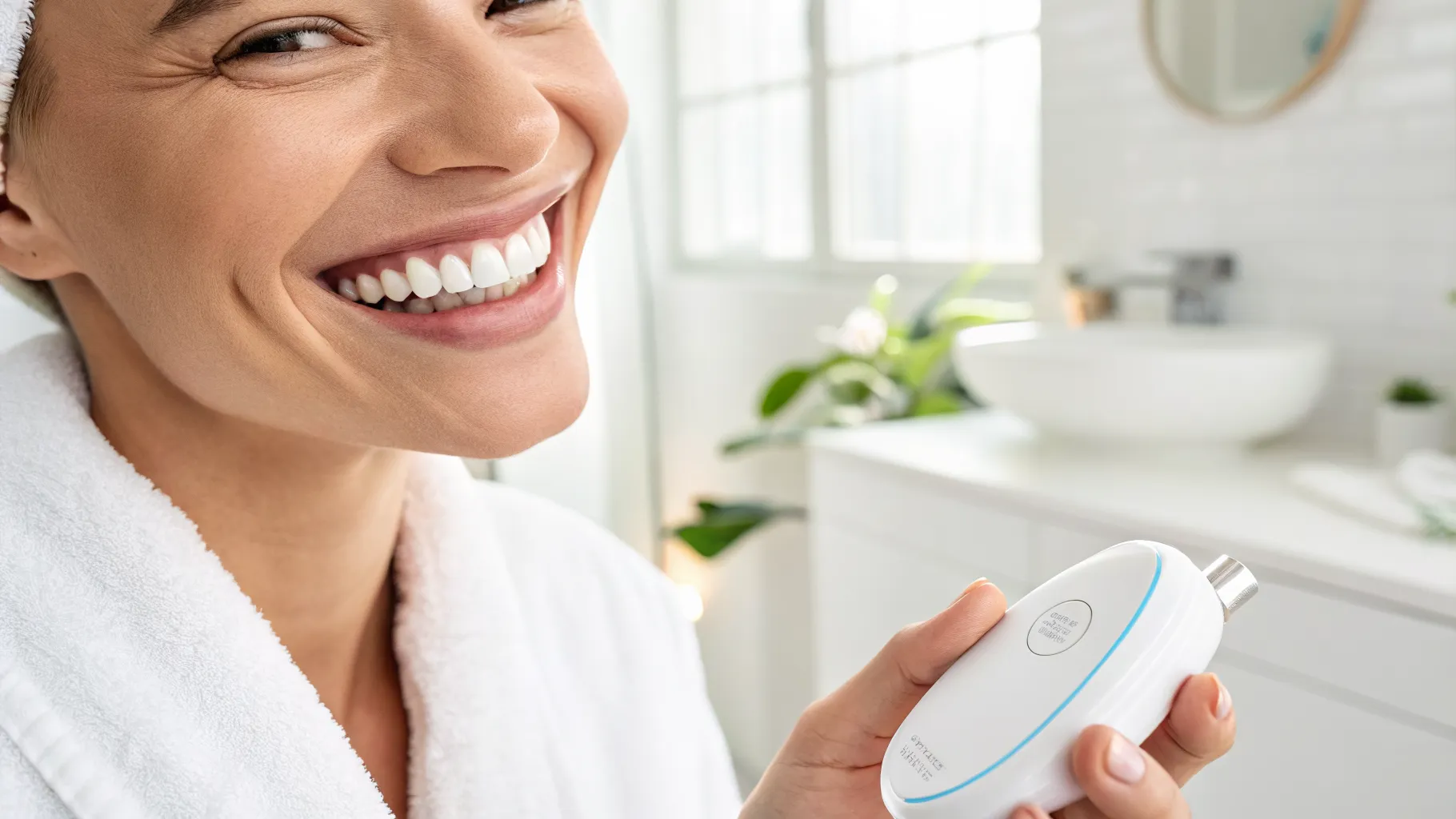
A Closer Look at LED Teeth Whitening
The method gaining popularity is at-home LED teeth whitening. These systems typically consist of two main components: a whitening gel and a device that emits a blue LED light. The gel, which is applied to the teeth via a mouth tray, contains an active whitening agent like hydrogen peroxide or carbamide peroxide. The user places the tray in their mouth and then activates the LED light device, which is held in place for a prescribed amount of time.
These kits are designed to be user-friendly, bringing a technology once primarily found in dental offices into the home. The process is straightforward, usually involving a daily session lasting from 10 to 30 minutes over the course of several days. The goal is to provide a more advanced whitening experience than what is typically offered by toothpastes or simple whitening strips.
How Does This Technology Brighten Your Smile?
The science behind LED teeth whitening combines a chemical process with a light-based catalyst. The active ingredient in the whitening gel, typically a form of peroxide, works by penetrating the tooth enamel and breaking down the discolored molecules that cause stains. This chemical reaction is what actually lifts the stains and whitens the teeth.
The blue LED light plays a crucial role as an accelerator. It emits a specific wavelength of light that activates the peroxide gel, speeding up the chemical reaction. This acceleration allows the whitening agent to work more quickly and efficiently than it would on its own, potentially leading to faster and more pronounced results. The light itself does not whiten teeth; it simply enhances the performance of the whitening gel.
LED Kits vs. Traditional Whitening Methods
When considering teeth whitening, it's helpful to compare LED kits to other common options. Each method comes with its own set of characteristics regarding effectiveness, cost, and convenience. Understanding these differences can help you determine which approach might be suitable for your goals.
Here is a brief comparison:
- Whitening Strips: These are often more affordable and widely available. However, strips may not conform perfectly to every tooth, potentially leading to uneven whitening, especially around the edges and crevices of the teeth.
- In-Office Professional Whitening: This method offers the fastest and most dramatic results, as dentists use a much higher concentration of whitening agents. It is also the most expensive option and requires a visit to a dental professional.
- Whitening Toothpaste: These products are designed for daily use and primarily work by removing surface stains with mild abrasives. They can help maintain brightness but typically provide only a subtle level of whitening.
The Main Advantages of At-Home LED Kits
One of the primary draws of LED whitening kits is convenience. The entire process can be completed at home on your own schedule, eliminating the need for dental appointments. Many find this flexibility appealing, as they can whiten their teeth while watching TV, reading, or working from home.
Cost is another significant factor. While more expensive than whitening strips or toothpaste, at-home LED kits are generally much more affordable than professional in-office treatments. They occupy a middle ground, offering a more advanced technology than basic over-the-counter products without the high price tag of a dental procedure.
What to Consider Before Choosing a Kit
If you are thinking about trying an at-home LED whitening kit, it's important to do some research. Look at the concentration of the whitening agent in the gel. Lower concentrations are generally recommended for individuals with sensitive teeth, while higher concentrations may offer faster results for those who can tolerate them. Always start with the recommended application time and see how your teeth react.
The design of the mouth tray is also important. A well-fitting tray ensures that the whitening gel is applied evenly across all teeth and helps prevent it from leaking onto the gums, which can cause irritation. Reading reviews from other users can provide insight into the effectiveness of a kit and the comfort of its components.
Potential Side Effects and How to Manage Them
The most common side effect associated with teeth whitening is temporary tooth sensitivity. This occurs when the whitening agent penetrates the enamel and irritates the nerve of the tooth. To manage this, you can try using the kit for shorter periods or whitening on alternate days. Using a toothpaste designed for sensitive teeth can also provide relief.
Gum irritation is another possible issue, which can happen if the whitening gel comes into contact with the gums for an extended period. It is important to avoid overfilling the mouth tray and to wipe away any excess gel that seeps out. If you have pre-existing dental conditions like cavities or gum disease, it is highly recommended to consult with your dentist before starting any whitening regimen.