
The Top Benefits of Walking Aids for Seniors in 2026
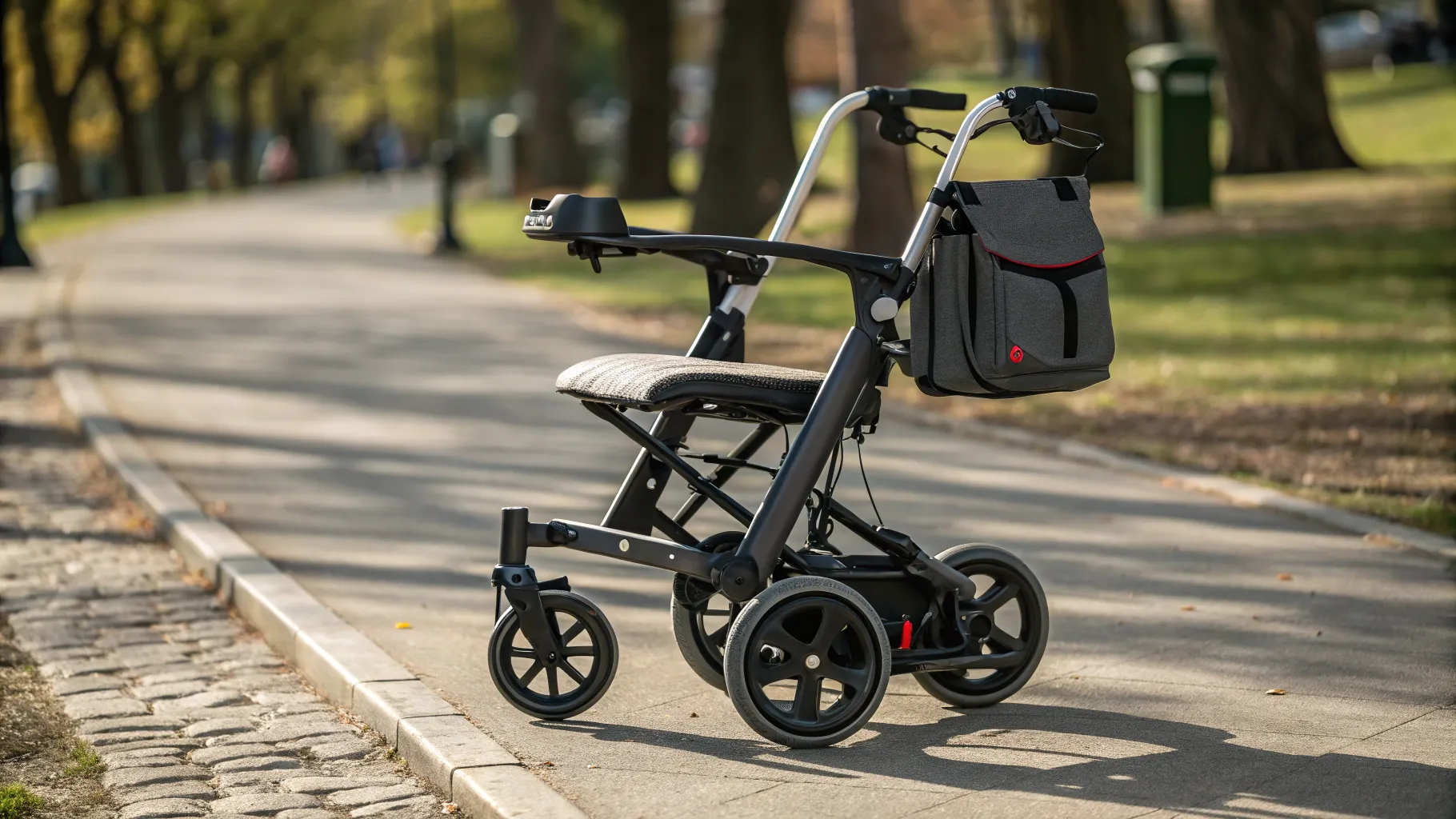
As we look to 2026, the importance of maintaining independence and quality of life for seniors remains a paramount concern. For many, this journey is greatly supported by the use of effective walking aids for seniors. These invaluable tools are not merely devices; they are gateways to continued mobility, social engagement, and a sense of security.
The Growing Need for Walking Aids for Seniors in 2026
In December 2025, it's clear that the aging global population means an increasing demand for solutions that promote active and healthy aging. Senior mobility devices are at the forefront of this movement, offering crucial mobility support that allows individuals to navigate their daily lives with confidence. From recovering after surgery to managing chronic conditions, the right walking aid can make all the difference, helping seniors stay connected to their communities and homes.
Enhancing Mobility Support with Canes for Elderly
For those needing moderate assistance, canes for elderly remain a popular and effective choice. Available in various styles, including single-point, offset, and quad canes, they provide essential support for balance and stability. As we move into 2026, designs continue to evolve, offering lighter materials, ergonomic grips, and stylish aesthetics that make them more appealing and comfortable to use. A well-chosen cane can significantly boost confidence during walks, both indoors and outdoors.
The Versatility of Walkers and Rollators for Active Seniors
When more comprehensive support is required, walkers and rollators step in as robust solutions. Walkers offer maximum stability, often used for rehabilitation or when greater weight-bearing assistance is needed. Rollators, equipped with wheels, brakes, and often a seat, provide excellent mobility support for seniors who need to rest frequently or carry personal items. These devices are particularly effective for longer distances, enabling active seniors to maintain their social lives and engage in activities they enjoy, from grocery shopping to park strolls.
Improving Balance and Preventing Falls: A Key Benefit
One of the most critical benefits of using walking aids for seniors is their role in improving balance and significantly reducing the risk of falls. Falls can lead to serious injuries and a decline in independence. By providing a stable base and distributing weight more effectively, canes, walkers, and rollators empower seniors to navigate uneven surfaces, stairs, and slippery floors with greater assurance. This proactive approach to fall prevention is fundamental to maintaining long-term health and well-being in 2026.
Understanding Walking Aids Price and Accessibility of Senior Mobility Devices
When considering senior mobility devices, understanding the walking aids price is often a factor. Prices can vary widely based on type, features, materials, and brand. Basic canes might be very affordable, while advanced rollators with specialized features can be a more significant investment. However, many insurance plans, including Medicare, may cover a portion of the cost for medically necessary devices. It's advisable for seniors and their families to research options, compare prices, and consult with healthcare professionals to find the most suitable and cost-effective aid.
Choosing the Right Aid for Your Needs
Selecting the appropriate walking aid is a personal decision that should involve consultation with a doctor or physical therapist. To make an informed choice for 2026, consider these factors:
- Specific Mobility Challenges: What kind of support do you truly need? Is it balance, weight bearing, or endurance?
- Strength and Endurance: Your physical capabilities will dictate the most suitable type of aid.
- Living Environment: Will the aid be used primarily indoors, outdoors, or both? Consider obstacles like stairs or narrow doorways.
- Lifestyle and Activities: Active seniors engaging in longer walks might benefit more from walkers and rollators, while those needing occasional assistance may prefer canes for elderly.
Whether it's a simple cane for occasional support or a full-featured rollator for daily use, the goal is to find a device that enhances safety, promotes independence, and ultimately improves the overall quality of life for seniors in 2026.
In conclusion, walking aids are more than just assistive devices; they are vital instruments for maintaining dignity, independence, and an active lifestyle for seniors. By embracing these tools, individuals can confidently stride into 2026 and beyond.
References:
https://www.ncoa.org/older-adults/health/safety-security/falls-prevention
https://www.medicare.gov/coverage/canes-crutches-walkers
https://www.aarp.org/health/conditions-treatments/info-2023/choosing-a-walking-aid.html