The Ultimate Guide to Natural Remedies for Muscle Pain
Facts:
- Nearly 80% of adults experience significant muscle pain at some point in their lives.
- The use of herbal supplements is a rapidly growing trend for those seeking natural remedies for muscle pain.
Unlocking Nature's Medicine Cabinet for Muscle Discomfort
Muscle pain, whether from an intense workout, daily stress, or an underlying condition, can significantly impact your quality of life. While over-the-counter medications are a common choice, many people are turning towards natural remedies for muscle pain to find effective and gentle relief. These remedies often work by reducing inflammation, improving circulation, and soothing overworked tissues without the side effects associated with some pharmaceuticals. Exploring these options can open up a world of holistic wellness, providing you with powerful tools to manage discomfort and support your body's healing process. This guide delves into the most effective natural remedies for muscle pain backed by both traditional use and modern science.
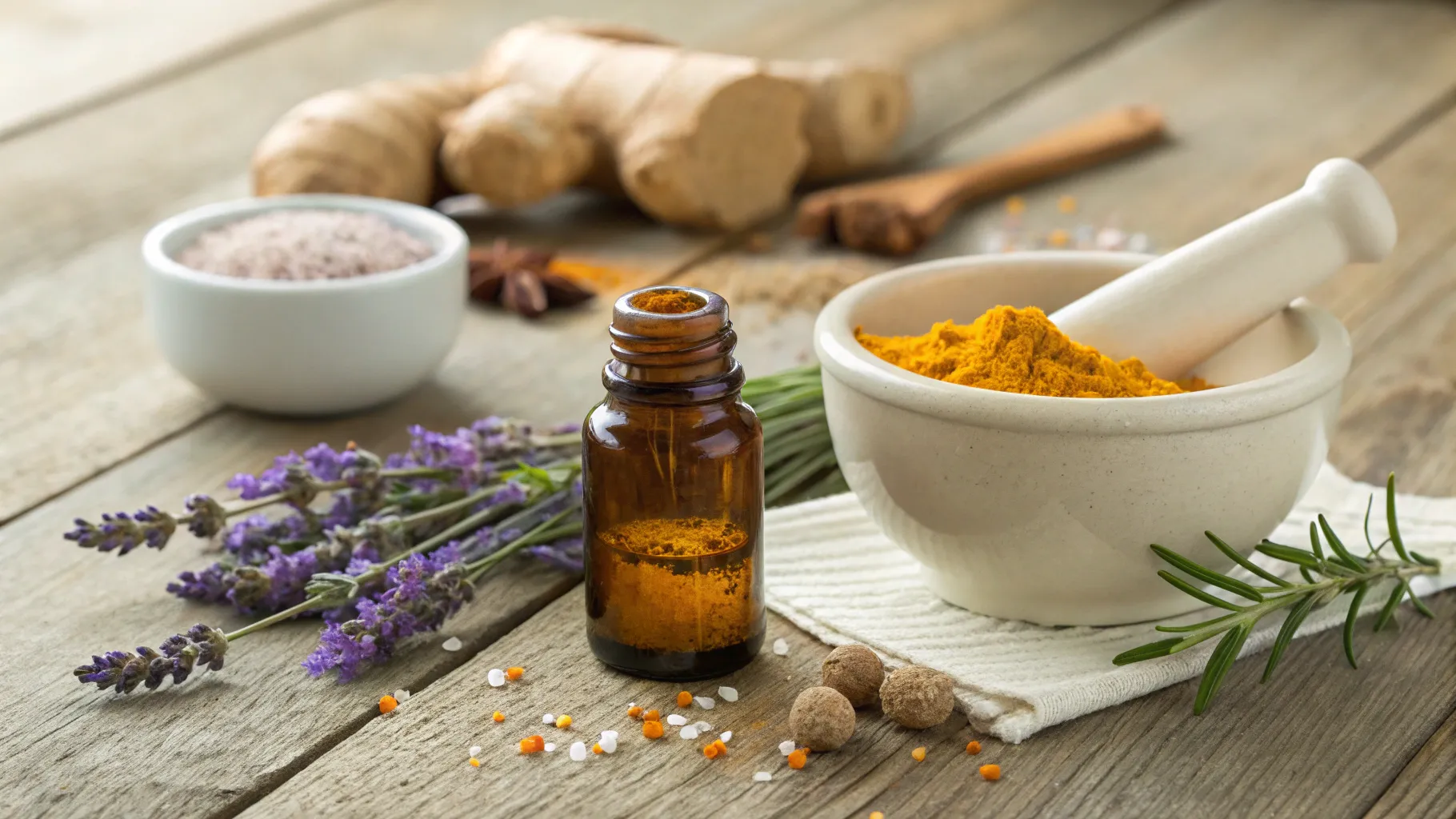
Top Herbal and Botanical Solutions
The plant kingdom offers a wealth of solutions for aches and pains. Many herbs contain potent anti-inflammatory and analgesic compounds that provide significant relief. Integrating these botanicals into your routine can be a cornerstone of managing muscle soreness effectively and naturally.
Arnica Montana
Arnica is a perennial herb that has been used for centuries in homeopathic medicine to treat bruises, sprains, and muscle soreness. It is most commonly used topically as a gel, cream, or oil. The active compounds in arnica, such as helenalin, are believed to reduce inflammation and swelling, thereby decreasing pain. When applied to the skin over a sore muscle, it can help improve blood flow to the area, which accelerates healing by flushing out metabolic waste products like lactic acid. It's a go-to among athletes and those seeking immediate natural remedies for muscle pain after physical exertion.
Turmeric (Curcumin)
Turmeric's vibrant yellow color comes from curcumin, a powerful anti-inflammatory compound. Chronic inflammation is often a key driver of persistent muscle pain. Curcumin works by blocking inflammatory pathways in the body. Consuming turmeric regularly, either in food or as a supplement (often combined with black pepper to enhance absorption), can help manage systemic inflammation, providing long-term sore muscle relief. For acute pain, a topical curcumin paste can also be effective, making it one of the most versatile natural remedies for muscle pain.
Cayenne Pepper (Capsaicin)
Capsaicin is the active component in chili peppers that gives them their heat. When applied topically in a cream or patch, capsaicin creates a warming sensation that can temporarily override pain signals being sent to the brain. It works by depleting a neurotransmitter called Substance P, which is involved in transmitting pain messages. Regular use can lead to a long-lasting reduction in pain perception in the treated area. This makes it an excellent choice for localized muscle pain and nerve-related discomfort.
Therapeutic Essential Oils for Deep Muscle Relief
Essential oils are concentrated plant extracts that capture the scent and healing properties of their source. Through aromatherapy or topical application (properly diluted), they can provide profound muscle relaxation and pain relief. These oils are powerful natural remedies for muscle pain when used correctly.
Peppermint oil, for instance, contains menthol, which has a cooling effect on sore, achy muscles. It acts as a natural analgesic and muscle relaxant. Eucalyptus oil is another powerful option, known for its anti-inflammatory and pain-relieving properties; it helps to soothe both muscle and joint pain. Lavender oil is prized for its calming and relaxing benefits, which can help ease tension-related muscle tightness and promote restful sleep, a crucial component of muscle recovery. For best results, add a few drops of these oils to a carrier oil like coconut or jojoba oil and massage directly into the affected area for targeted sore muscle relief.
Actionable Lifestyle Habits for Lasting Relief
While targeted treatments are effective, incorporating certain lifestyle practices can prevent muscle pain and enhance recovery. These habits support your body's overall health and resilience, reducing the frequency and severity of muscle soreness.
- Epsom Salt Baths: Soaking in a warm bath with Epsom salts (magnesium sulfate) is a classic remedy for a reason. Magnesium is a natural muscle relaxant that is absorbed through the skin, helping to alleviate muscle cramps, tightness, and pain. The warm water also increases circulation, which aids in the healing process.
- Contrast Water Therapy: Alternating between hot and cold water can be a highly effective technique. The heat helps to increase blood flow and relax muscles, while the cold constricts blood vessels, reducing inflammation and swelling. Try applying a hot pack for 15 minutes, followed by a cold pack for 15 minutes, to stimulate circulation and accelerate recovery.
- Mindful Stretching and Movement: Gentle stretching or activities like yoga and tai chi can significantly reduce muscle pain. These practices improve flexibility, release tension, and increase blood flow to the muscles. Regular, gentle movement prevents muscles from becoming stiff and can be one of the most proactive natural remedies for muscle pain you can adopt.
Beyond Home Care: When to Consult a Professional
While natural remedies for muscle pain are highly effective for common aches and soreness, it's crucial to recognize when professional medical advice is needed. If your muscle pain is severe, persists for more than a week despite home treatment, or is accompanied by signs of infection like redness, swelling, and fever, you should consult a doctor. Additionally, pain that results from a serious injury or is accompanied by weakness, numbness, or tingling requires immediate medical attention. A healthcare provider can diagnose the underlying cause of your pain and recommend a comprehensive treatment plan, which may include physical therapy, prescription medication, or other specialized interventions alongside the natural approaches you are using.
Frequently Asked Questions
How quickly do natural remedies for muscle pain work?
The speed of relief varies depending on the remedy and the individual. Topical remedies like arnica gel or capsaicin cream can offer noticeable relief within 15 to 30 minutes. Systemic remedies like turmeric or ginger may take several days or even weeks of consistent use to build up in your system and exert their full anti-inflammatory effects. Epsom salt baths often provide immediate relaxation and relief during the soak.
Can I combine different natural remedies for muscle pain?
Yes, combining remedies is often more effective. For example, you could take a turmeric supplement for long-term inflammation control, use a peppermint oil massage for immediate sore muscle relief, and take an Epsom salt bath in the evening to relax. However, always be mindful of potential interactions, especially with supplements, and introduce new remedies one at a time.
Are there any risks associated with these natural remedies?
Generally, these remedies are safe when used as directed. However, some people may have allergic reactions to certain herbs or essential oils; a patch test is always recommended. Essential oils must be diluted with a carrier oil before being applied to the skin to avoid irritation. If you are pregnant, breastfeeding, or have a pre-existing medical condition, it's essential to consult with your healthcare provider before trying new herbal supplements or remedies.
References
- University of Maryland Medical Center - Muscle Aches
- National Center for Complementary and Integrative Health (NCCIH) - Turmeric
- Journal of Pain Research - The effectiveness of topical capsaicin for localized pain
- Evidence-Based Complementary and Alternative Medicine - Arnica montana in post-operative settings