The Ultimate Guide to Natural Remedies for Insomnia for Restful Nights
Facts:
- Nearly 30% of adults experience short-term insomnia.
- A growing trend for people seeking natural remedies is mindfulness meditation.
Reclaiming Your Nights: The Definitive Guide to Natural Remedies for Insomnia
Tossing and turning night after night can be debilitating, impacting every aspect of your life from work performance to overall mood. While prescription sleep aids exist, many people are seeking gentler, more sustainable solutions. This guide delves deep into the world of natural remedies for insomnia, offering a comprehensive look at scientifically-backed and time-tested methods to help you achieve the restorative sleep you need. Exploring these natural remedies for insomnia can be the first step towards a healthier sleep cycle and a more energized tomorrow.
Herbal Allies: Powerful Botanicals as Natural Remedies for Insomnia
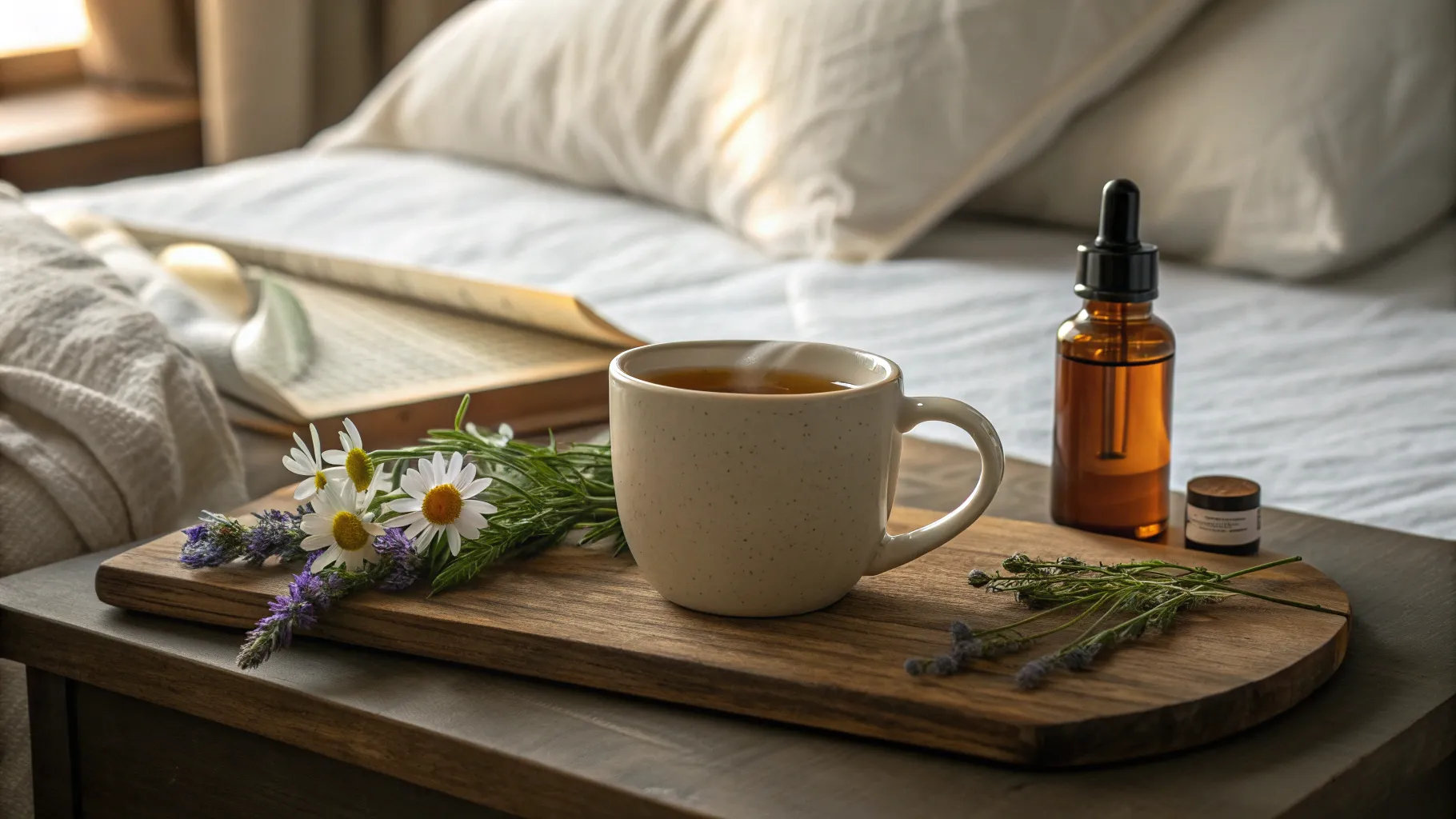
For centuries, cultures around the world have turned to botanicals to promote relaxation and sleep. These herbal options are some of the most popular natural remedies for insomnia due to their gentle yet effective nature. Unlike synthetic drugs, they often work by calming the nervous system rather than forcing sedation. It's crucial, however, to consult with a healthcare provider before starting any new supplement, especially if you have existing health conditions or are taking other medications.
Valerian Root
Valerian root is perhaps one of the most studied herbal natural remedies for insomnia. It is believed to increase the levels of a neurotransmitter called gamma-aminobutyric acid (GABA) in the brain. GABA has a calming effect, reducing anxiety and promoting sleep. Many users find it helps them fall asleep faster and experience fewer nighttime awakenings. It is typically available in capsule or tincture form.
Chamomile
Often enjoyed as a soothing tea, chamomile contains an antioxidant called apigenin, which binds to specific receptors in your brain that may decrease anxiety and initiate sleep. A warm cup of chamomile tea an hour before bed is a classic ritual and a cornerstone among natural remedies for insomnia. It's a mild but effective way to signal to your body that it's time to wind down.
Lavender
The scent of lavender is widely recognized for its calming properties. Aromatherapy using lavender essential oil has been shown to improve sleep quality. You can use it in a diffuser, add a few drops to a warm bath, or spray a diluted mixture on your pillow. The consistent use of lavender can be a powerful component of your toolkit of natural remedies for insomnia.
Lifestyle Adjustments: The Foundation of Good Sleep Hygiene
Often, the most effective natural remedies for insomnia are not pills or potions, but changes to our daily habits. Establishing strong sleep hygiene is fundamental to resolving chronic sleep issues. These adjustments help regulate your body's internal clock, known as the circadian rhythm, making it easier to fall asleep and stay asleep naturally.
Consistency is key. Going to bed and waking up at the same time every day, even on weekends, reinforces your body's sleep-wake cycle. Another critical factor is your exposure to light. Getting plenty of natural sunlight during the day and minimizing exposure to blue light from screens (phones, tablets, computers) in the two hours before bedtime can significantly impact melatonin production, the hormone that regulates sleep. Many people find that these lifestyle changes are the most sustainable natural remedies for insomnia.
Mind-Body Techniques: Calming the Anxious Mind for Sleep
For many, insomnia is driven by a racing mind and an inability to shut off the day's worries. Mind-body practices are excellent natural remedies for insomnia because they directly target this mental and physiological arousal. They teach you to calm your nervous system and detach from anxious thought patterns.
- Meditation and Mindfulness: Focusing on your breath and observing your thoughts without judgment can help quiet the mental chatter that keeps you awake. Guided sleep meditations are widely available and can be an invaluable tool.
- Deep Breathing Exercises: Simple techniques like the 4-7-8 method (inhale for 4 seconds, hold for 7, exhale for 8) can activate the parasympathetic nervous system, which promotes a state of rest.
- Progressive Muscle Relaxation: This technique involves tensing and then relaxing different muscle groups throughout your body, which can release physical tension and promote a sense of deep calm, making it one of the most effective physical natural remedies for insomnia.
Dietary and Supplemental Natural Remedies for Insomnia
What you consume can have a profound effect on your sleep. Beyond avoiding stimulants like caffeine and nicotine before bed, certain foods and supplements can be powerful natural remedies for insomnia. For instance, a small, carbohydrate-rich snack before bed can help, but a large, heavy meal can interfere with sleep. Magnesium, often called the 'relaxation mineral,' plays a crucial role in sleep regulation. It can be found in foods like leafy greens, nuts, and seeds, or taken as a supplement. Melatonin is a hormone your body produces naturally to signal that it's time to sleep. While it can be an effective short-term solution, it's best used under medical guidance. Tart cherry juice is another popular option, as it is a natural source of melatonin.
Actionable Steps for a Better Sleep Environment
Your bedroom should be a sanctuary for sleep. Optimizing your environment is one of the most practical natural remedies for insomnia you can implement tonight. Small changes can make a massive difference in your ability to fall and stay asleep.
- Keep it Cool: The ideal temperature for sleep is generally between 60-67°F (15-19°C). A room that is too hot or too cold can disrupt your sleep cycle.
- Embrace the Dark: Use blackout curtains, wear an eye mask, and cover any electronic lights. Darkness signals to your brain that it's time to produce melatonin and go to sleep.
- Minimize Noise: If you live in a noisy area, consider using a white noise machine, a fan, or earplugs to block out disruptive sounds. A quiet environment is essential for uninterrupted rest.
- Reserve the Bed for Sleep: Avoid working, eating, or watching TV in bed. This helps your brain associate your bed solely with sleep and intimacy, strengthening the psychological cue for rest. This is a behavioral strategy that complements other natural remedies for insomnia.
Frequently Asked Questions
Which natural remedies for insomnia are the most effective?
Effectiveness varies from person to person. However, a combination of establishing strong sleep hygiene (consistent schedule, cool, dark room) and using a mind-body technique like meditation often yields the best long-term results. For acute issues, herbal remedies like valerian root can be very helpful.
Are natural remedies for insomnia safe to use every night?
Most lifestyle and mind-body natural remedies for insomnia are safe for daily use. For herbal supplements like valerian root or melatonin, it's best to consult with a healthcare professional for guidance on long-term use, as they can interact with other medications or have side effects.
How long does it take for natural remedies for insomnia to work?
Some remedies, like creating a dark room or drinking chamomile tea, can have an immediate effect. Lifestyle changes and mind-body practices often take a few weeks of consistent application to show significant improvement as your body and brain adapt to new routines and patterns.
References
- National Center for Complementary and Integrative Health
- Sleep Foundation Organization
- Journal of Clinical Sleep Medicine
- American Academy of Sleep Medicine