The Ultimate Guide to Unforgettable Wildlife Safari Holidays
Facts:
- Safari tourism supports crucial conservation efforts globally.
- A rising trend for wildlife safari holidays is eco-conscious travel.
Embark on the Adventure of a Lifetime: Planning Your Safari
The allure of the wild is a powerful call, drawing adventurers to the vast, untamed landscapes of our planet. For many, the ultimate expression of this desire is found in Wildlife Safari Holidays. These journeys are more than just a vacation; they are a profound opportunity to connect with nature, witness majestic creatures in their natural habitats, and create memories that last a lifetime. Planning such a trip, however, can seem daunting. From choosing the right destination to understanding the logistics of a game drive, every detail contributes to the success of your adventure. This guide is designed to demystify the process, providing you with the essential information needed to plan extraordinary Wildlife Safari Holidays that exceed all expectations.
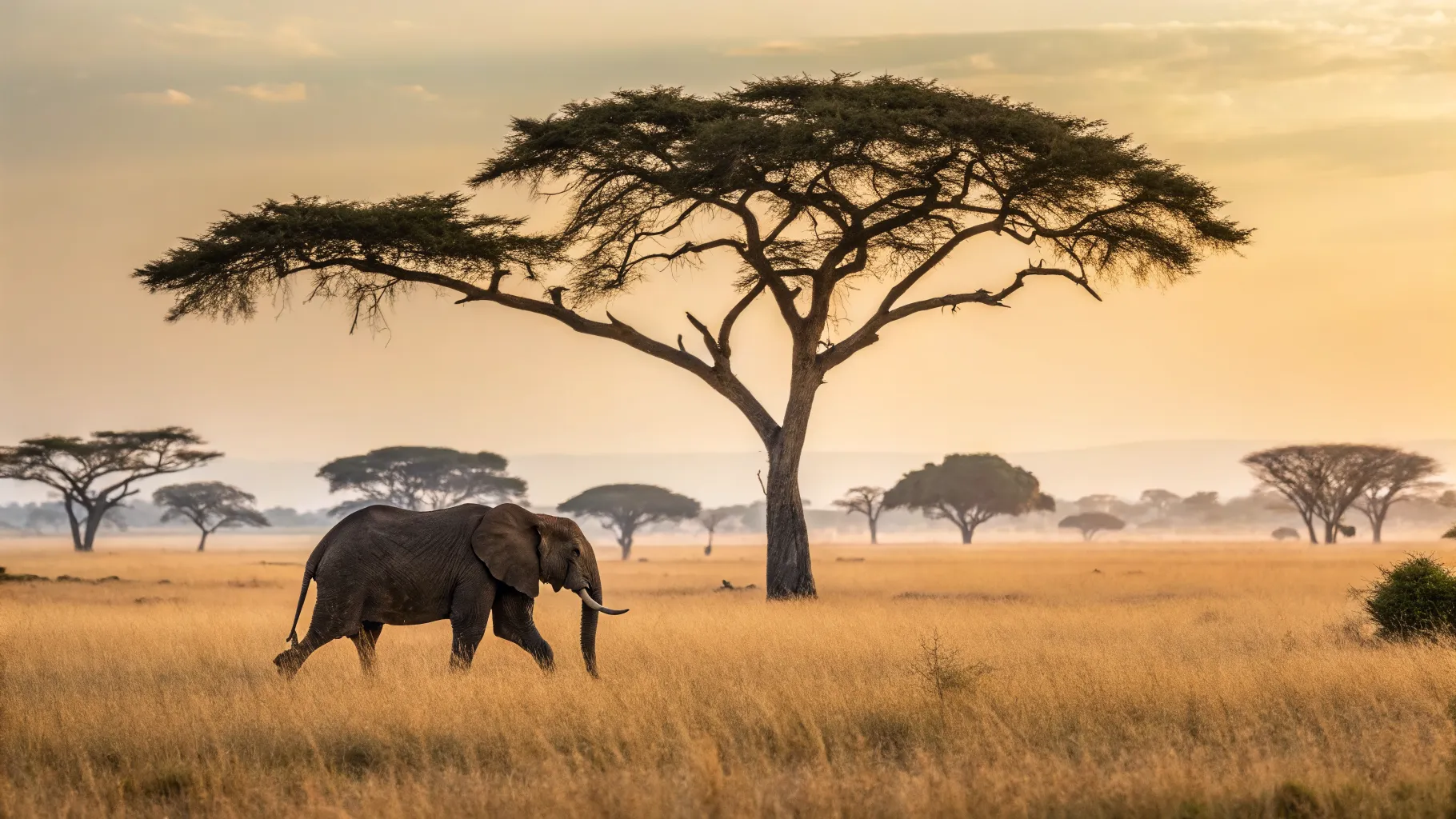
Choosing Your Perfect Safari Destination
The first and most exciting decision when planning your trip is selecting a destination. The world offers a diverse range of locations for Wildlife Safari Holidays, each with its unique ecosystem and iconic species. East Africa, particularly Kenya and Tanzania, is famous for the Great Migration, where millions of wildebeest and zebra traverse the Serengeti-Masai Mara ecosystem. This is a spectacle of nature unlike any other. For those seeking the 'Big Five' (lion, leopard, rhinoceros, elephant, and Cape buffalo), South Africa's Kruger National Park offers some of the most reliable sightings and excellent infrastructure. Further south, Botswana's Okavango Delta provides a unique water-based safari experience, navigating through pristine wetlands teeming with life. For a different kind of adventure, consider gorilla trekking in Rwanda or Uganda, an intimate and moving experience that is a highlight of many Wildlife Safari Holidays. Your choice will depend on the wildlife you most want to see, the type of landscape that calls to you, and the time of year you plan to travel.
What to Expect on Your First Safari Adventure
A typical day on safari is structured around the animals' activity patterns. This usually means early morning and late afternoon game drives, as this is when predators are most active and the light is best for photography. You'll travel in a specially designed 4x4 vehicle with an experienced guide who possesses an incredible knowledge of the area and its inhabitants. Between drives, you'll return to your lodge or camp for meals and relaxation. Accommodations for Wildlife Safari Holidays range from luxurious lodges with private plunge pools to classic tented camps that offer an authentic, under-the-stars experience without sacrificing comfort. The evenings are often spent around a campfire, sharing stories of the day's sightings under a canopy of brilliant stars, a magical end to a day spent exploring the wild.
Essential Packing List for Your Trip
Packing correctly is crucial for comfortable and successful Wildlife Safari Holidays. The key is to pack light and choose versatile clothing in neutral, earthy tones like khaki, green, and brown. Bright colors can sometimes startle wildlife, and dark blue or black can attract tsetse flies in certain regions. Here are some essentials:
- Layered Clothing: Mornings can be very cool, while midday can be hot. Pack lightweight long-sleeved shirts, t-shirts, a fleece or warm jacket, and comfortable trousers or shorts.
- Sturdy Footwear: Comfortable, closed-toe walking shoes or hiking boots are essential, especially if your itinerary includes walking safaris.
- Sun Protection: A wide-brimmed hat, high-SPF sunscreen, and quality sunglasses are non-negotiable to protect you from the strong sun.
- Binoculars and Camera: A good pair of binoculars is vital for spotting distant animals. A camera with a decent zoom lens will help you capture those unforgettable moments during your Wildlife Safari Holidays.
- Personal Items: Don't forget any necessary medications, a basic first-aid kit, insect repellent, and a reusable water bottle to stay hydrated.
The Importance of Ethical and Sustainable Safaris
As our planet faces increasing environmental pressures, choosing an ethical and sustainable safari is more important than ever. Responsible tourism ensures that your visit contributes positively to wildlife conservation and local communities. When booking your Wildlife Safari Holidays, look for operators who are committed to eco-friendly practices. This includes using renewable energy at their camps, minimizing waste, supporting local conservation projects, and employing staff from local communities. An ethical safari provider will always prioritize the welfare of the animals, maintaining a respectful distance and never altering their natural behavior for the sake of a photo. By making a conscious choice, you help protect these magnificent wilderness areas for future generations to enjoy.
Frequently Asked Questions
What is the best time of year for wildlife safari holidays?
The best time for Wildlife Safari Holidays depends heavily on the destination and what you want to see. Generally, the dry season is considered optimal for game viewing in many parts of Africa, as animals congregate around water sources, making them easier to spot. However, the wet or 'green' season offers lush landscapes, fewer crowds, and is often the best time for birdwatching and seeing newborn animals.
Are wildlife safari holidays safe for families with children?
Absolutely. Many lodges and tour operators specialize in family-friendly Wildlife Safari Holidays. They offer dedicated programs for children, such as junior ranger courses and guided nature walks. Safety is always the top priority, and guides are expertly trained to manage encounters with wildlife. It is an incredible educational and bonding experience for the whole family.
How physically demanding are wildlife safari holidays?
Most safari activities, such as game drives, are not physically demanding at all, as you spend most of your time seated in a vehicle. However, some itineraries may include options like walking safaris or gorilla trekking, which require a moderate level of fitness. It's always best to check the specific requirements of your chosen itinerary when planning your Wildlife Safari Holidays.
References
- National Geographic - Safari Planning Guides
- World Wildlife Fund - Reports on Conservation Tourism
- The Ecotourism Society - Sustainable Travel Guidelines
- African Wildlife Foundation - Species and Habitat Information