
Top 7 Probiotics For Gut Health In 2026: A Comprehensive Guide
Facts:
- Probiotics contain beneficial live microorganisms.
- The global probiotics market is projected to grow significantly by 2026 for gut health enthusiasts.
Decoding the Gut Microbiome: What to Look for in 2026
As we advance into 2026, the focus on digestive wellness has never been more intense. Understanding the complexities of the gut microbiome is key to unlocking overall health, and choosing the right supplement is paramount. This guide is designed to provide an in-depth look at the Top 7 Probiotics For Gut Health In 2026, helping you make an informed decision for your digestive system. The market is filled with options, but identifying high-quality strains, sufficient Colony Forming Units (CFUs), and targeted formulations is what separates an effective product from the rest. We will explore the latest advancements and scientific backing for the leading choices this year.
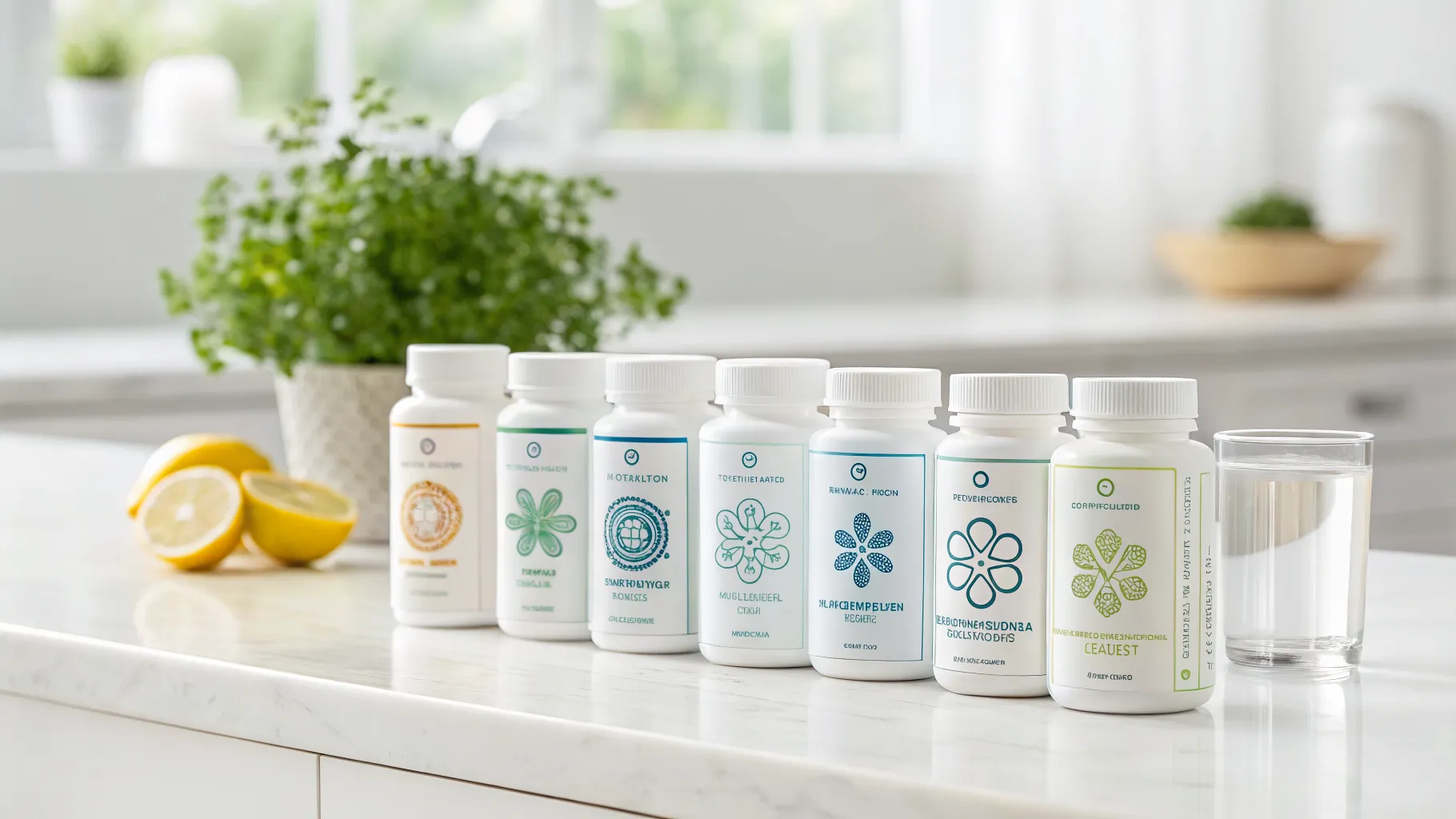
The Definitive List: Top 7 Probiotics For Gut Health In 2026
Navigating the world of supplements requires careful consideration. The following list represents the pinnacle of probiotic research and formulation available today. Each product has been selected based on its strain diversity, CFU count, delivery mechanism, and scientific validation, making them the Top 7 Probiotics For Gut Health In 2026. We delve into what makes each one unique and effective for supporting a balanced and thriving gut ecosystem.
1. FloraBiome Synchro-7
FloraBiome Synchro-7 stands out for its synergistic blend of seven potent probiotic strains, including Lactobacillus rhamnosus GG and Bifidobacterium lactis HN019. This formulation is specifically engineered to support not just digestion but also immune function. Its delayed-release capsule technology ensures that the live cultures survive stomach acid and reach the intestines where they are most effective. This attention to delivery and strain-specific benefits is a key reason it is on our list of the Top 7 Probiotics For Gut Health In 2026.
2. GutRenew 50 Billion CFU
For those seeking a high-potency option, GutRenew 50 Billion CFU delivers a powerful dose of beneficial bacteria. It focuses on a targeted blend of Lactobacillus acidophilus and Bifidobacterium longum, strains renowned for their ability to combat bloating and improve nutrient absorption. The inclusion of a prebiotic fiber (inulin) acts as fuel for the probiotics, enhancing their survival and colonization in the gut. This powerful combination solidifies its place among the best.
3. Omni-Spore Advanced Biome
Omni-Spore utilizes spore-based probiotics, which are naturally more resilient to the harsh environment of the stomach. Strains like Bacillus coagulans and Bacillus subtilis are shelf-stable and do not require refrigeration, making them a convenient option. Spore-based probiotics have been shown to promote a healthy inflammatory response and support the integrity of the gut lining, a critical factor for anyone serious about digestive wellness and looking for one of the Top 7 Probiotics For Gut Health In 2026.
4. Women's Wellness FloraBalance
This formulation is specifically tailored to address the unique microbial needs of women. It includes strains like Lactobacillus crispatus and Lactobacillus jensenii, which are crucial for vaginal and urinary tract health, in addition to core digestive strains. By supporting multiple microbiomes, FloraBalance offers a holistic approach to female health, making it an essential recommendation.
5. CoreRestore Precision Probiotic
CoreRestore takes a personalized approach, offering formulations based on specific health goals, such as metabolic health or stress response. Their flagship product features Bifidobacterium infantis, a strain critical for early life gut development that also shows promise in supporting adult gut-brain axis communication. This level of targeted support is a hallmark of next-generation probiotic supplements and a key part of the Top 7 Probiotics For Gut Health In 2026.
6. Fermenta-Life Whole Food Probiotic
Moving away from isolated strains, Fermenta-Life offers a probiotic derived from fermented whole foods like organic beets and kale. This method provides a matrix of beneficial bacteria, enzymes, and nutrients that work together. It's an excellent choice for individuals who prefer a more natural, food-based approach to supplementation while still getting a clinically effective dose of live cultures.
7. Digest-Matrix Postbiotic Formula
The latest innovation in gut health involves postbiotics—the beneficial compounds produced by probiotics. Digest-Matrix is a cutting-edge formula that delivers these compounds directly, such as butyrate, which is a critical energy source for colon cells. This is ideal for individuals whose gut environment may not be conducive to live probiotic colonization but who still want the benefits, securing its spot as a forward-thinking choice.
How to Choose From the Top 7 Probiotics For Gut Health In 2026
Selecting the right probiotic from this list depends entirely on your individual health needs and goals. Consider factors such as CFU count—higher is not always better; the specific strains should align with your health concerns. For instance, if immune support is a priority, look for products containing Lactobacillus rhamnosus GG. If you have a sensitive stomach, a spore-based probiotic like Omni-Spore might be more suitable. Always check for third-party testing to ensure purity and potency. Consulting with a healthcare provider can also help you navigate the options and choose the most effective of the Top 7 Probiotics For Gut Health In 2026 for your unique biology.
Maximizing Probiotic Benefits: A Practical Guide
To get the most out of your chosen probiotic, consistency is key. Taking your supplement at the same time each day can help maintain a stable population of beneficial bacteria. Furthermore, you can support your new microbial allies with your diet.
- Eat a Fiber-Rich Diet: Prebiotic fibers found in foods like onions, garlic, bananas, and whole grains are the preferred food source for probiotics. A high-fiber diet helps them thrive.
- Incorporate Fermented Foods: Foods like yogurt, kefir, sauerkraut, and kimchi naturally contain probiotics and can complement your supplement regimen.
- Stay Hydrated: Water is essential for maintaining the mucosal lining of the intestines and helps support the transport of nutrients and waste, creating a healthier gut environment.
- Manage Stress: Chronic stress can negatively impact your gut microbiome. Incorporating stress-reduction techniques like meditation or exercise can support a healthy gut-brain connection.
Frequently Asked Questions
What are the Top 7 Probiotics For Gut Health In 2026?
The Top 7 Probiotics For Gut Health In 2026 include FloraBiome Synchro-7, GutRenew 50 Billion CFU, Omni-Spore Advanced Biome, Women's Wellness FloraBalance, CoreRestore Precision Probiotic, Fermenta-Life Whole Food Probiotic, and Digest-Matrix Postbiotic Formula. They are chosen for their strain diversity, CFU count, and scientific backing.
When is the best time to take a probiotic?
While opinions vary, many experts suggest taking probiotics on an empty stomach, either 30 minutes before a meal or right before bed. This can help minimize their exposure to stomach acid. However, the most important factor is consistency, so choose a time that you can stick with daily.
How long does it take for probiotics to work?
The time it takes to notice benefits can vary from a few days to several weeks. It depends on the individual's existing gut health, the strains being used, and the dosage. Consistent daily use is crucial for establishing a noticeable effect.
References
- Journal of Clinical Gastroenterology: Probiotic Mechanisms of Action.
- Nature Reviews Microbiology: The Gut Microbiome.
- American Journal of Nutrition: Effects of Probiotics on Immune Function.
- International Scientific Association for Probiotics and Prebiotics (ISAPP) consensus statement.