
Top-Rated Psoriasis Creams for Skin Relief and Repair: Your Guide to Soothing Solutions
Fast Facts:
- Fast Relief: Advanced formulas provide quick soothing.
- Improved skin barrier for long-term comfort.
Understanding Psoriasis Creams: Key Information & Options
Navigating the world of psoriasis treatments can be daunting, but finding the right solution is crucial for managing symptoms effectively. For many, Psoriasis Creams for Skin Relief and Repair offer a vital first line of defense, providing targeted relief and promoting healthier skin. These specialized formulations are designed to reduce inflammation, alleviate itching, and support the skin's natural healing process, helping individuals regain comfort and confidence.
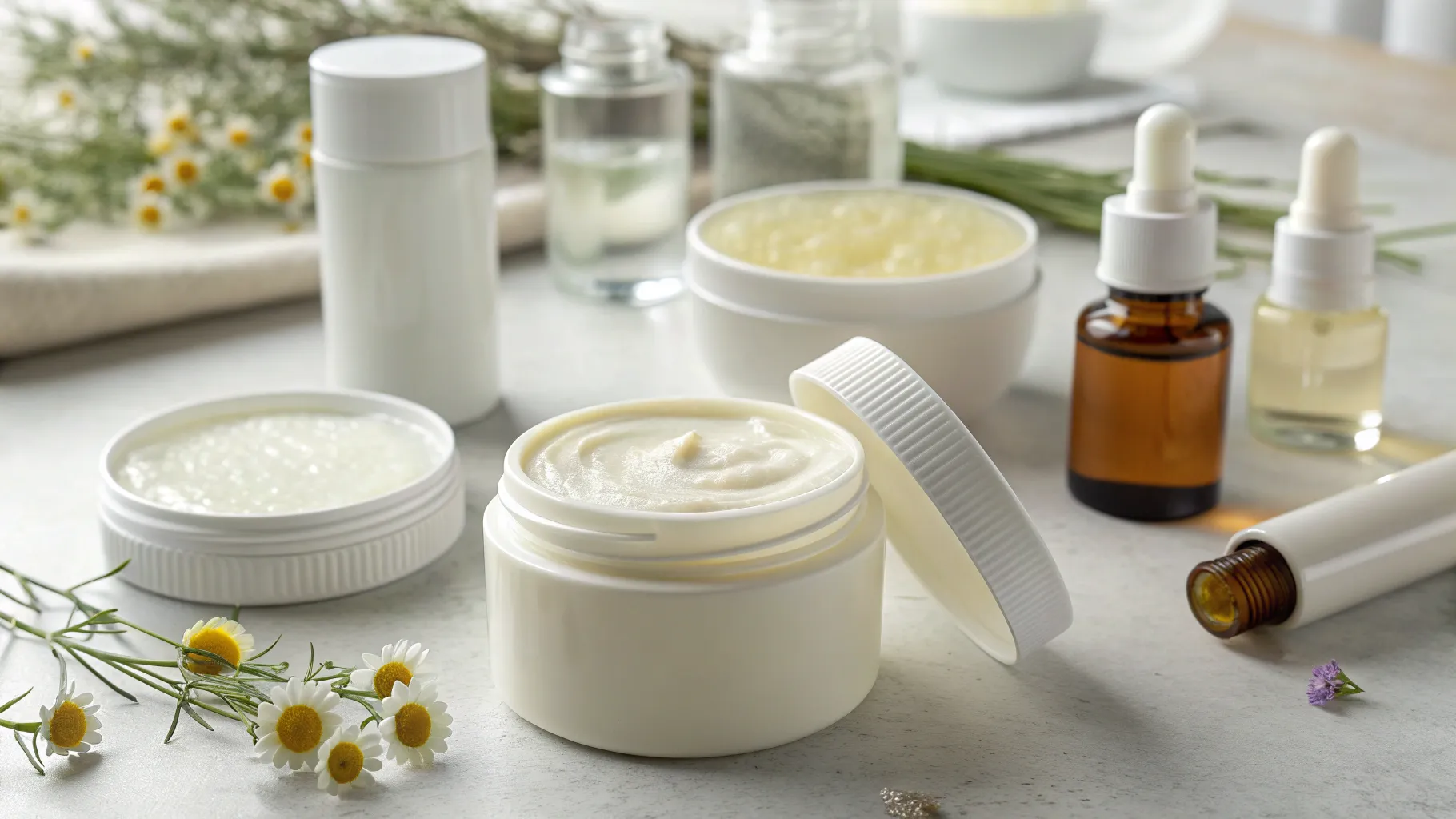
Key Benefits of Psoriasis Creams
- Reduces Inflammation: Targeted ingredients calm redness and swelling.
- Alleviates Itching: Provides immediate relief from discomfort, enhancing daily life.
- Moisturizes & Heals: Hydrates dry, flaky patches and supports skin repair.
- Improves Skin Barrier: Strengthens the skin's natural defenses against irritants.
- Enhances Comfort: Consistent use leads to significant skin relief and repair, improving quality of life.
When comparing different psoriasis creams, it's essential to consider active ingredients. Steroid-based creams offer potent anti-inflammatory action for severe flare-ups, while non-steroidal options like those containing coal tar, salicylic acid, or vitamin D analogs provide gentler, long-term management, often preferred for daily use or sensitive areas. Always consult with a dermatologist to determine the most suitable option for your specific condition.
Essential Checklist for Choosing Psoriasis Creams
- Active Ingredients: Look for salicylic acid, coal tar, corticosteroids (with prescription), or calcipotriene.
- Skin Type Suitability: Ensure the cream is non-comedogenic and hypoallergenic if you have sensitive skin.
- Application Area: Consider the cream's texture and strength for different body parts (e.g., face vs. elbows).
- Dermatologist Recommendation: Always seek professional advice for persistent or severe symptoms.
- User Reviews: Check feedback on effectiveness and potential side effects from other users.
Frequently Asked Questions
How do psoriasis creams work?
Psoriasis creams primarily work by reducing inflammation, slowing down skin cell growth, and providing intense moisturization. Ingredients like corticosteroids suppress the immune response, while others like salicylic acid help shed dead skin cells.
Are there side effects to using psoriasis creams?
Some creams, especially those with corticosteroids, can cause thinning of the skin, stretch marks, or irritation with prolonged use. Non-steroidal options generally have fewer side effects but may take longer to show results. Always follow dosage instructions carefully.
How long does it take for psoriasis creams to show results?
The time to see results varies depending on the severity of psoriasis and the active ingredients in the cream. Some individuals may notice improvements within a few days, while others might require several weeks of consistent application to experience significant skin relief and repair.
References
- National Psoriasis Foundation. (n.d.). Treatment Options. Retrieved from [Insert relevant NPF URL]
- American Academy of Dermatology Association. (n.d.). Psoriasis: Diagnosis and treatment. Retrieved from [Insert relevant AADA URL]