
Top Teeth Whitening Options For A Whiter Smile
Many people desire a brighter, whiter smile, and today there are more teeth whitening options available than ever before. From professional treatments performed by a dentist to a wide array of at-home products, understanding the differences can help you make an informed choice. The effectiveness, cost, and process can vary significantly between methods.
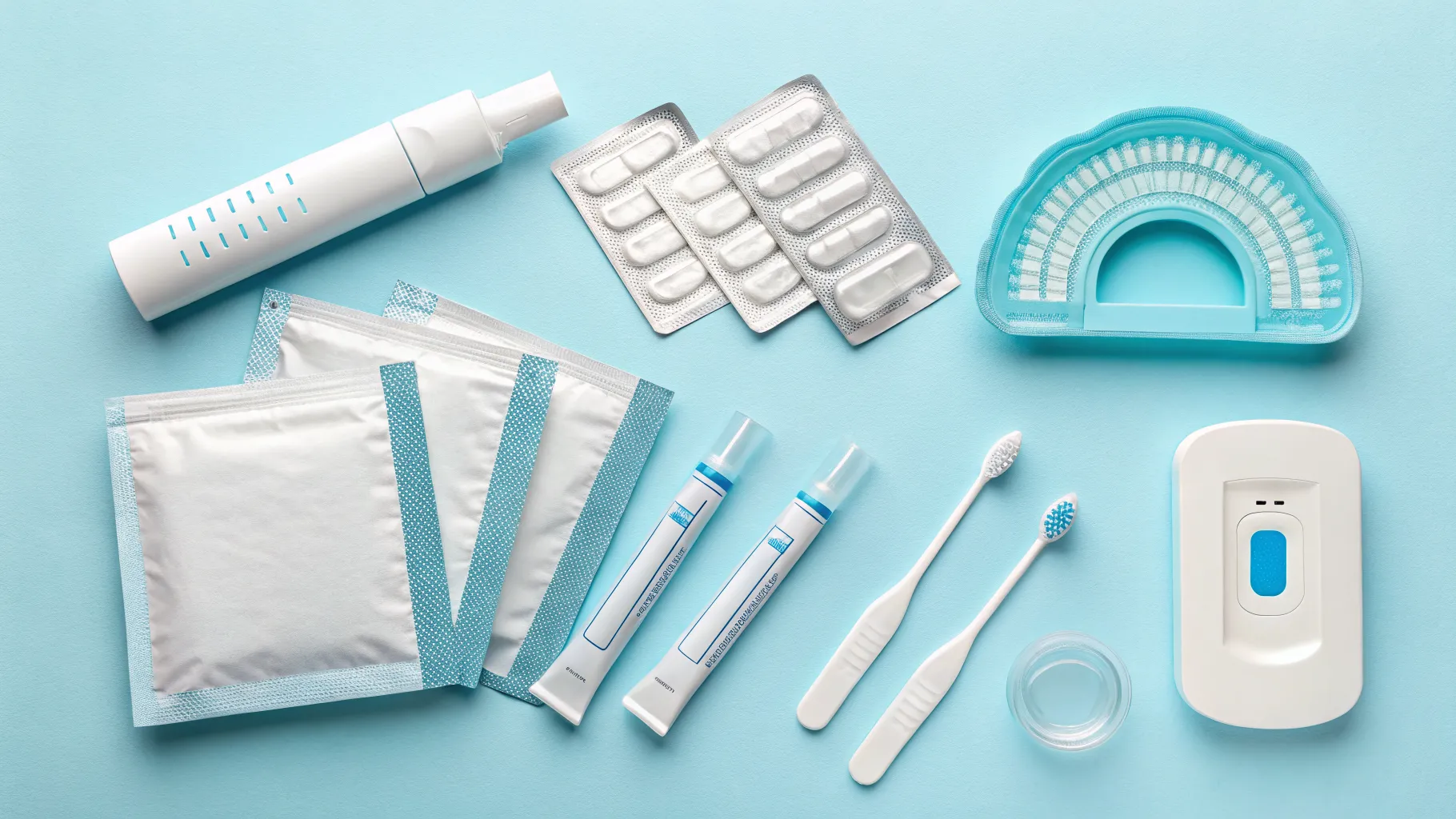
Professional In-Office Whitening
For those seeking immediate and significant results, professional in-office whitening is often the preferred method. This procedure is performed by a dentist or a qualified dental professional in a controlled environment. The process typically involves applying a high-concentration hydrogen peroxide or carbamide peroxide gel directly to the teeth. The gums and other soft tissues are carefully protected with a barrier to prevent irritation.
In many cases, a special light or laser is used to activate the whitening gel, which helps to accelerate the process and break down stains more effectively. A single in-office session can often lighten teeth by several shades, with the entire appointment usually lasting between 60 to 90 minutes. While this is one of the most effective options, it is also typically the most expensive, and some individuals may experience temporary tooth sensitivity afterward.
Dentist-Prescribed At-Home Kits
A popular middle ground between in-office treatments and over-the-counter products is the take-home kit provided by a dentist. This option begins with a dental visit where impressions of your teeth are taken to create custom-fitted whitening trays. These trays are designed to fit your mouth perfectly, ensuring that the whitening gel is applied evenly and kept away from your gums.
You are then given a professional-strength whitening gel, which is stronger than what is available in stores but less concentrated than the gel used for in-office procedures. The dentist provides specific instructions on how much gel to use and how long to wear the trays each day, which can range from 30 minutes to several hours, often for a period of one to two weeks. This method delivers excellent results over time and is generally more affordable than a single in-office session.
Over-the-Counter Whitening Strips
Whitening strips are one of the most accessible and widely used at-home teeth whitening products. They are small, thin strips of flexible plastic coated with a layer of low-concentration peroxide gel. You apply the strips directly to the surface of your teeth, one for the top row and one for the bottom, and wear them for a specified time, usually around 30 minutes a day.
These products are available at most drugstores and supermarkets, making them a convenient and budget-friendly choice. While they can be effective at removing surface stains and lightening teeth by a few shades, the results are typically less dramatic than professional options. One potential drawback is that the one-size-fits-all strips may not cover all tooth surfaces evenly, potentially leading to inconsistent whitening, especially on crooked or crowded teeth.
Whitening Toothpastes and Rinses
Whitening toothpastes and mouth rinses are primarily designed for removing surface stains rather than changing the natural shade of your teeth. Most whitening toothpastes contain special mild abrasives that gently polish the teeth. Some may also include chemical agents like carbamide peroxide or hydrogen peroxide, but in very low concentrations that offer minimal intrinsic whitening.
These products are best viewed as a way to maintain the brightness of your smile and prevent new stains from forming, especially after a professional whitening treatment. They are not likely to produce significant whitening on their own but can be a helpful part of a daily oral hygiene routine. Using them consistently can help combat stains from coffee, tea, and other foods.
Exploring Natural Whitening Methods
Many people are curious about natural or do-it-yourself teeth whitening methods. These approaches often involve using common household ingredients to try and lift stains from the tooth surface. While some can have a mild effect, it is important to be cautious, as many can be abrasive and potentially damage tooth enamel if used improperly or too frequently.
Some popular natural methods include:
- Baking Soda: Used as a mild abrasive to scrub away surface stains. It is sometimes mixed with water to form a paste.
- Activated Charcoal: This porous substance is claimed to absorb plaque and other teeth-staining compounds. However, its abrasiveness is a concern for long-term enamel health.
- Oil Pulling: An ancient practice involving swishing an oil, like coconut oil, in the mouth. It is believed to remove bacteria but has limited scientific evidence supporting its whitening effects.
- Hydrogen Peroxide Rinses: Using a diluted solution of hydrogen peroxide as a mouthwash. It is crucial to use a very low concentration to avoid irritating gums and soft tissues.
What to Consider Before Whitening
Before beginning any whitening treatment, it is a good idea to consult with your dentist. A dental professional can assess your overall oral health, determine the cause of your tooth discoloration, and recommend the most suitable option for you. Not all discoloration responds to bleaching; for example, stains caused by certain medications or trauma to a tooth may require other cosmetic treatments like veneers or bonding.
It is also important to have realistic expectations and to manage potential side effects. Tooth sensitivity is the most common side effect of teeth whitening, though it is usually temporary. Your dentist can recommend products to help manage this. After whitening, maintaining your results involves good oral hygiene and limiting consumption of staining foods and drinks like coffee, red wine, and berries.