
Ulcerative Colitis Early Symptoms: A Comprehensive Guide to Recognition
Facts:
- Ulcerative colitis is a chronic inflammatory bowel disease (IBD).
- Awareness to recognize early symptoms of ulcerative colitis is crucial for effective long-term management.
Unpacking the First Signs: Understanding Ulcerative Colitis Early Symptoms
Ulcerative colitis (UC) is a chronic condition that causes inflammation and ulcers on the inner lining of the large intestine (colon) and rectum. The initial presentation can be subtle, making it difficult for many to pinpoint the cause of their discomfort. However, learning to recognize early symptoms of ulcerative colitis is paramount for seeking a timely diagnosis and starting a management plan to prevent severe complications. These initial signs are the body's first indication that something is wrong within the digestive tract. Ignoring these warnings can lead to a more advanced disease state, making treatment more complex. Therefore, understanding the nuances of ulcerative colitis early symptoms is the first and most critical step toward regaining control over your health and well-being.
Core Gastrointestinal Symptoms: The Telltale Signs
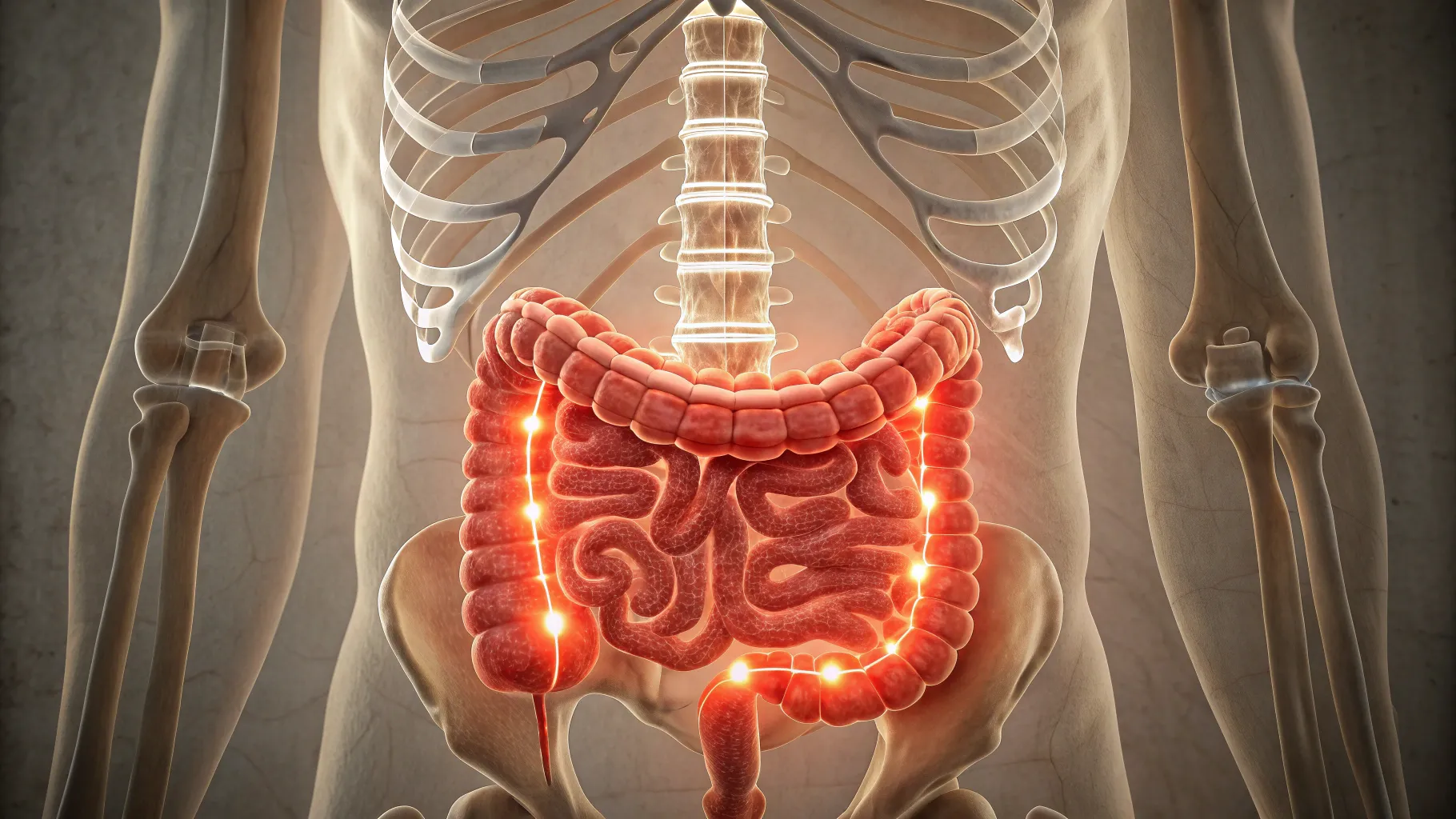
The most common and definitive ulcerative colitis early symptoms are related to the gastrointestinal tract, as this is the primary site of inflammation. One of the hallmark signs is persistent diarrhea, which is often accompanied by blood, pus, or mucus. This is not ordinary diarrhea; it is frequent, urgent, and can disrupt daily life significantly. Alongside this is abdominal pain and cramping, typically located in the lower left side of the abdomen, though it can be felt elsewhere. Another critical symptom to recognize early symptoms of ulcerative colitis is tenesmus, which is a constant and urgent feeling that you need to pass stool, even when your bowel is empty. This collection of symptoms directly points towards inflammation in the colon and should never be dismissed as a simple stomach bug, especially if they persist for more than a few days.
Beyond the Gut: Systemic Early Symptoms of Ulcerative Colitis
While UC is a disease of the colon, the chronic inflammation can have a systemic effect, meaning it impacts the entire body. These extra-intestinal manifestations are crucial to recognize early symptoms of ulcerative colitis because they may appear even before the more obvious digestive issues. Unexplained fatigue is a very common complaint; this isn't just feeling tired but a profound sense of exhaustion that isn't relieved by rest. This is often linked to the body fighting chronic inflammation and potential anemia from blood loss in the stool. Unintended weight loss and a loss of appetite are also significant ulcerative colitis early symptoms. The body may not absorb nutrients properly, and the general feeling of being unwell can suppress hunger. Some individuals may also experience a low-grade fever, which is another sign that the immune system is in overdrive trying to combat the inflammation within the colon.
How to Recognize Early Symptoms of Ulcerative Colitis vs. Other Conditions
Differentiating ulcerative colitis early symptoms from other digestive disorders like Crohn's disease or Irritable Bowel Syndrome (IBS) can be challenging, but there are key distinctions. While both UC and Crohn's are types of IBD, UC's inflammation is continuous and confined to the large intestine's innermost lining. In contrast, Crohn's can affect any part of the GI tract in patches and involves deeper layers of the intestinal wall. IBS, on the other hand, does not cause inflammation, ulcers, or bleeding. The key symptom that strongly suggests the need to recognize early symptoms of ulcerative colitis is the presence of blood in the stool, which is rare in IBS and less consistent in early Crohn's disease. Persistent urgency and bloody diarrhea are the most specific red flags for ulcerative colitis.
When to Consult a Doctor: Taking Action on Early Symptoms
It is absolutely vital not to delay seeking medical advice if you suspect you are experiencing ulcerative colitis early symptoms. Early intervention can significantly improve your long-term prognosis and quality of life. You should schedule an appointment with a healthcare provider, preferably a gastroenterologist, if you notice any of the following persistent signs:
- Persistent Diarrhea: If you have diarrhea that lasts for more than a week, especially if it contains blood or mucus, it requires medical evaluation.
- Abdominal Pain: Ongoing cramping and abdominal pain that doesn't resolve with over-the-counter remedies should be investigated.
- Unexplained Weight Loss or Fatigue: If you are losing weight without trying or feel debilitatingly tired for no apparent reason, it could be a systemic sign of IBD.
- Urgency and Incontinence: A persistent, urgent need to have a bowel movement or accidents are significant indicators that you need to see a doctor to recognize early symptoms of ulcerative colitis.
Frequently Asked Questions
Can stress trigger ulcerative colitis early symptoms?
While stress does not cause ulcerative colitis, it can be a significant trigger for flare-ups and may worsen existing symptoms. Many patients report that periods of high stress coincide with an increase in their gastrointestinal distress, making it harder to manage the condition. Therefore, learning stress-management techniques is an important part of a holistic treatment plan.
How quickly should you recognize early symptoms of ulcerative colitis after they start?
The onset of ulcerative colitis early symptoms can be gradual or sudden. Some people may experience mild, intermittent symptoms for weeks or months before they become severe enough to seek help. However, any persistent change in bowel habits, especially the presence of blood, should be evaluated by a doctor as soon as possible for an accurate diagnosis.
Are the ulcerative colitis early symptoms different in children?
Yes, the presentation can differ in children. While they experience many of the same symptoms as adults, children with ulcerative colitis are more likely to have delayed growth, delayed puberty, and may present with more systemic symptoms like fever and anemia. It is crucial to recognize early symptoms of ulcerative colitis in pediatric patients to ensure proper development and growth.
References
- Crohn's & Colitis Foundation of America
- National Institute of Diabetes and Digestive and Kidney Diseases (NIDDK)
- American College of Gastroenterology
- Mayo Clinic Patient Care & Health Information