The Ultimate Guide to Unforgettable African Safari Holidays
Facts:
- Africa is home to over 1,100 species of mammals and over 2,600 species of birds.
- Sustainable tourism is a growing trend for African Safari Holidays, focusing on conservation.
Embark on the Adventure of a Lifetime: Planning Your African Safari Holidays
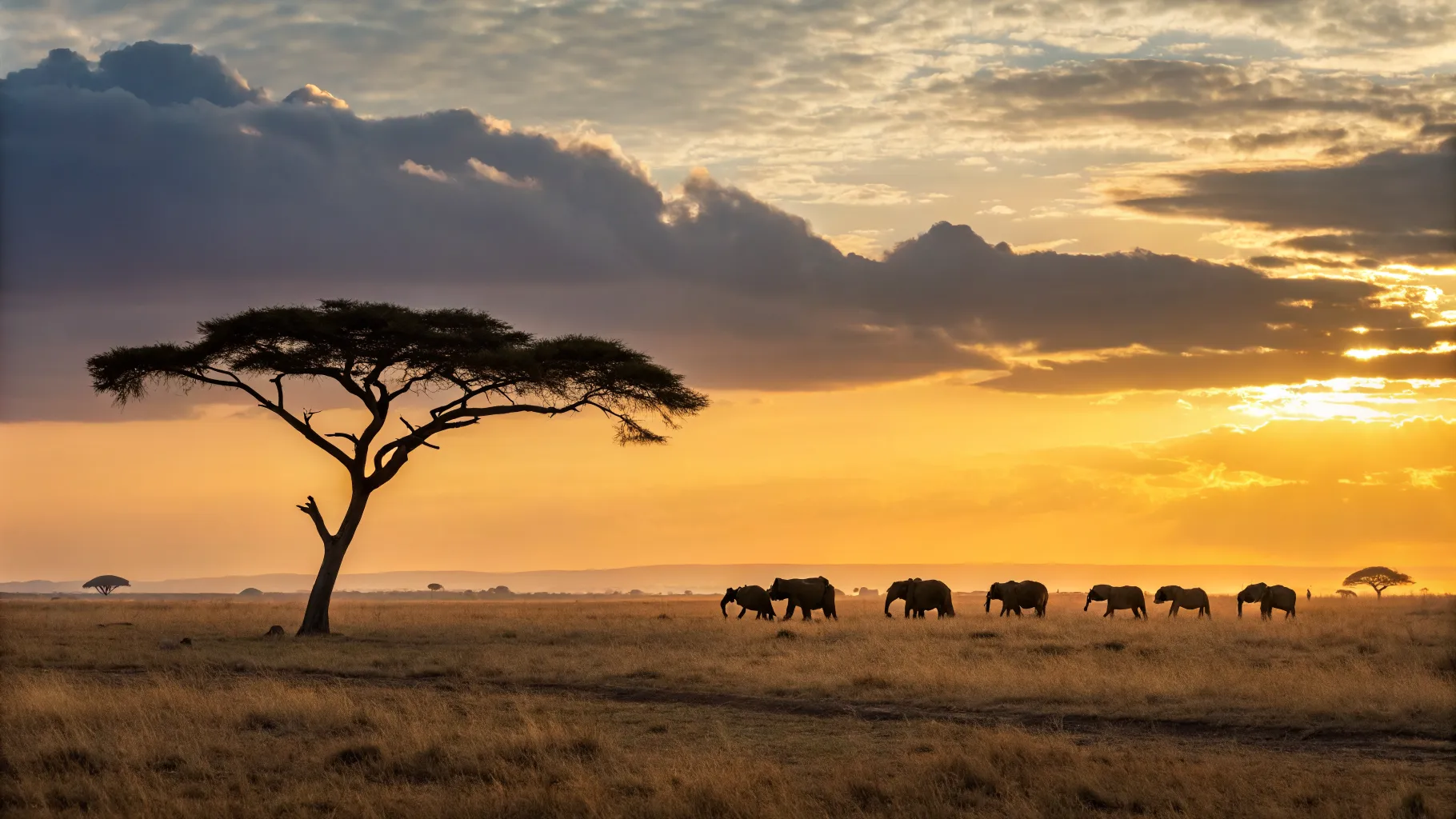
The allure of the wild, the promise of witnessing majestic creatures in their natural habitat, and the thrill of adventure—this is the essence of African Safari Holidays. For countless travelers, it represents the pinnacle of exploration, a journey into the heart of nature's grandeur. Planning such a trip can seem daunting, but with the right information, you can craft an experience that exceeds every expectation. Whether you're dreaming of the Great Migration in the Serengeti, the lush waterways of the Okavango Delta, or the dramatic landscapes of South Africa, your perfect adventure awaits. This comprehensive guide will walk you through everything you need to know to plan unforgettable African Safari Holidays.
Choosing Your Perfect Safari Destination
The first and most crucial step in planning your journey is selecting a destination. Africa is a vast continent, and each country offers a unique safari experience. For classic African Safari Holidays, East Africa is often the top choice. Kenya's Maasai Mara National Reserve is world-renowned for its dense wildlife population and its role in the Great Migration, where millions of wildebeest and zebra traverse the plains. Neighboring Tanzania offers the iconic Serengeti National Park and the breathtaking Ngorongoro Crater, a volcanic caldera teeming with life. For those seeking a different kind of adventure, Southern Africa provides incredible options. Botswana is famous for the Okavango Delta, a unique wetland ecosystem best explored by mokoro (dugout canoe), offering intimate wildlife encounters. South Africa boasts the famous Kruger National Park, which is excellent for self-drive African Safari Holidays and offers a high chance of spotting the 'Big Five' (lion, leopard, elephant, rhino, and buffalo).
The Best Time of Year for African Safari Holidays
Timing is everything when it comes to wildlife viewing. Generally, the dry season is considered the best time for most African Safari Holidays. From June to October in both East and Southern Africa, the vegetation is less dense, and animals congregate around waterholes and rivers, making them easier to spot. This period also coincides with the dramatic river crossings of the Great Migration in Kenya and Tanzania. However, the 'green season' (typically from November to May) has its own advantages. The landscapes are lush and beautiful, birdwatching is exceptional due to the arrival of migratory species, and you'll find fewer crowds and often lower prices. This can be a wonderful time for photographers and those who have been on safari before and are looking for a different perspective on their African Safari Holidays.
Understanding Different Types of Safari Experiences
Not all safaris are created equal. The type of accommodation and travel style you choose will significantly shape your experience. Luxury lodges offer unparalleled comfort with gourmet meals, private guides, and stunning amenities like infinity pools overlooking the savanna. For a more immersive experience, consider a mobile tented camp. These camps move with the wildlife, particularly during the Great Migration, placing you right in the heart of the action without sacrificing comfort. For the more adventurous, a walking safari offers a thrilling opportunity to connect with the bush on a deeper level, tracking animals on foot with an expert guide. Self-drive African Safari Holidays, particularly popular in South Africa and Namibia, offer flexibility and are a more budget-friendly option, allowing you to explore at your own pace.
Essential Packing and Health Preparations
Proper preparation is key to a safe and comfortable trip. Your packing list should prioritize practicality and comfort. Lightweight, neutral-colored clothing (khaki, beige, olive) is essential for blending in and staying cool. Remember to pack layers, as early morning game drives can be chilly, while midday can be hot. Key items include a wide-brimmed hat, sunglasses, high-SPF sunscreen, insect repellent, and a good pair of binoculars. A quality camera with a zoom lens is a must for capturing those once-in-a-lifetime moments. From a health perspective, it's crucial to consult your doctor well in advance of your trip. Depending on your destination, you may need vaccinations and anti-malarial medication. Ensuring you are well-prepared medically will give you peace of mind while enjoying your African Safari Holidays.
Conservation and Ethical Tourism
Choosing to embark on African Safari Holidays also means you have an opportunity to contribute positively to the continent's conservation efforts. Many safari operators and lodges are deeply involved in protecting wildlife and supporting local communities. When booking your trip, look for providers with strong eco-credentials and a commitment to sustainable tourism. By choosing ethically, your travel funds help protect endangered species, combat poaching, and empower local people through employment and education. An ethical safari ensures that the stunning natural wonders you experience will be preserved for generations to come, making your adventure not just a vacation, but a meaningful contribution.
Frequently Asked Questions
What is the best country for first-time African Safari Holidays?
For first-timers, South Africa (Kruger National Park) and Tanzania (Serengeti and Ngorongoro Crater) are excellent choices. They offer fantastic infrastructure, abundant wildlife, and a high likelihood of seeing the Big Five, making them a perfect introduction to the magic of African Safari Holidays.
How many days do I need for a good safari experience?
We recommend a minimum of 7 to 10 days for a fulfilling safari. This allows you to visit one or two different parks or reserves without feeling rushed, giving you ample time for game drives and to truly soak in the environment. Longer African Safari Holidays of 12 to 14 days allow for a more in-depth exploration of a region.
Are African Safari Holidays safe for families?
Absolutely. Many lodges and camps are family-friendly and offer special programs for children, such as junior ranger courses and guided nature walks. It's an incredibly educational and bonding experience. Always choose reputable operators who prioritize safety and have experience with family travel for your African Safari Holidays.
References
- National Geographic - Safari Guides
- The World Wildlife Fund - African Conservation Efforts
- African Wildlife Foundation Reports
- Travel & Leisure - Safari Planning Guide