
A Comprehensive Guide to Understanding and Managing Sleep Problems in Seniors
Facts:
- Over 50% of adults aged 65 and older report at least one chronic sleep complaint.
- A key trend is the rise of non-pharmacological treatments for Sleep Problems in Seniors.
The Unseen Challenge: Why Sleep Patterns Shift in Later Life
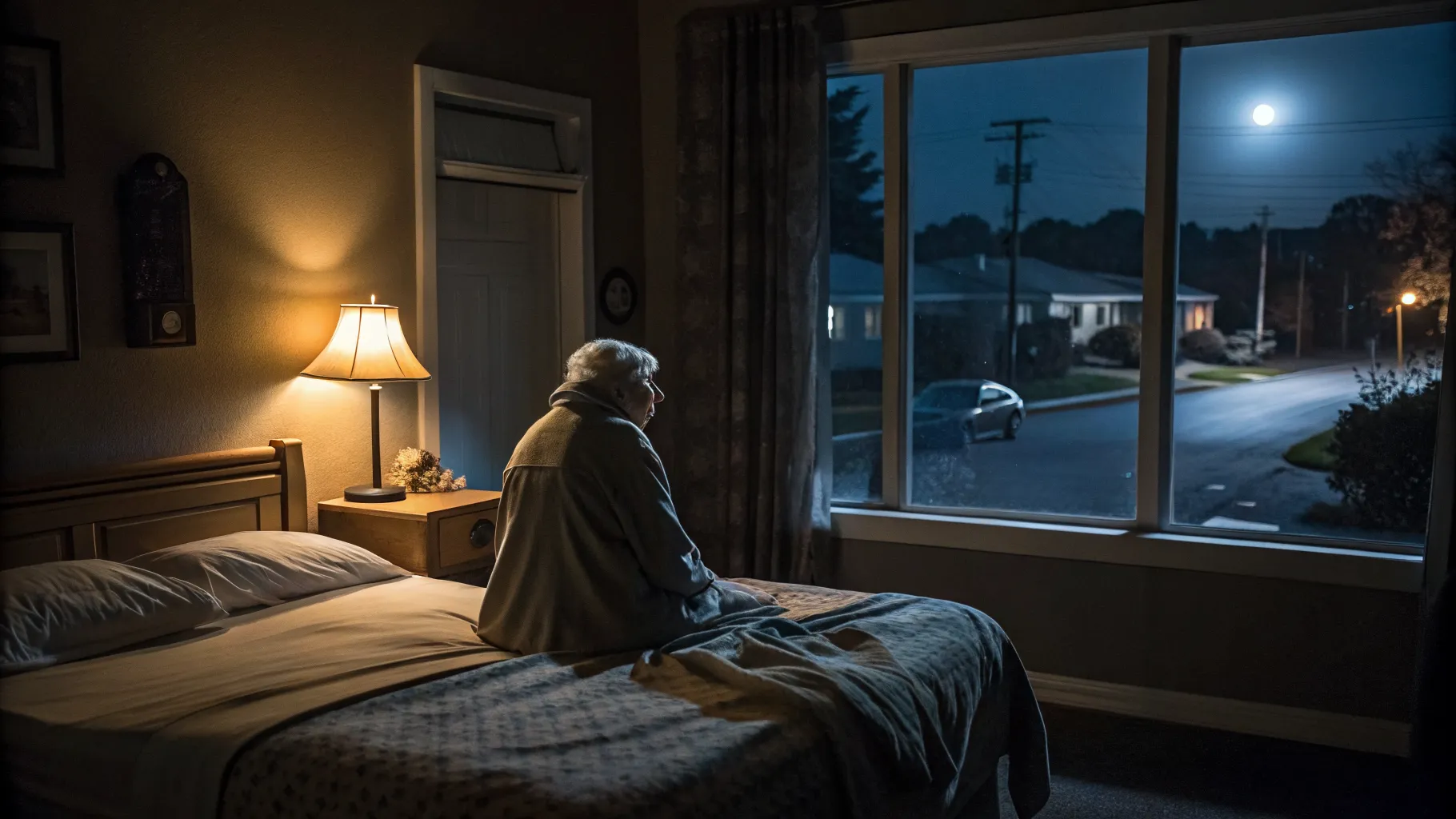
As we age, our bodies and daily routines change, and so do our sleep patterns. However, persistent difficulty sleeping is not a normal part of aging. It's a significant health concern known as Sleep Problems in Seniors. These issues can range from difficulty falling asleep to waking up frequently during the night, impacting overall health, safety, and quality of life. Understanding the root causes is the first step toward finding effective solutions and ensuring that the golden years are restful and rejuvenating. Many factors contribute to the high prevalence of Sleep Problems in Seniors, making a multifaceted approach to diagnosis and treatment essential.
Common Causes Behind Sleep Problems in Seniors
The reasons for disrupted sleep in older adults are often complex and interconnected. They can be broadly categorized into medical, psychological, and lifestyle factors. Underlying health conditions such as arthritis, heart disease, or respiratory issues can cause chronic pain or discomfort that makes sleep difficult. Furthermore, sleep disorders like sleep apnea, where breathing repeatedly stops and starts, and Restless Legs Syndrome (RLS) are more common in this demographic. These conditions often go undiagnosed but are a major contributor to Sleep Problems in Seniors. Medications for other health issues can also have side effects that interfere with sleep. It is crucial to evaluate all potential contributors to properly address the core issue.
The Far-Reaching Impact of Chronic Sleep Deprivation
The consequences of untreated Sleep Problems in Seniors extend far beyond just feeling tired. Chronic sleep deprivation can weaken the immune system, making older adults more susceptible to infections. It significantly impairs cognitive functions like memory, concentration, and decision-making, and has been linked to an increased risk of developing dementia. Furthermore, daytime drowsiness increases the risk of falls and accidents, which can have devastating consequences for an older person's independence and health. Addressing these sleep issues is not just about comfort; it is a critical component of preventative healthcare and maintaining a high quality of life.
Distinguishing Normal Aging from a Sleep Disorder
It is true that sleep architecture changes with age. Seniors often experience lighter sleep, fewer periods of deep sleep, and more frequent awakenings. They might also find themselves getting tired earlier in the evening and waking up earlier in the morning. While these shifts are normal, chronic insomnia, loud snoring, or severe daytime fatigue are not. It's vital for seniors and their caregivers to recognize the difference between these normal changes and the signs of a treatable sleep disorder. Dismissing persistent Sleep Problems in Seniors as an inevitable part of aging can prevent them from seeking and receiving the help they need to improve their sleep and overall well-being.
Actionable Lifestyle Strategies for Better Sleep
Improving sleep often starts with simple, yet powerful, changes to daily habits and the sleep environment. These strategies, often referred to as sleep hygiene, can make a significant difference in managing Sleep Problems in Seniors without resorting to medication. Here are some effective, actionable tips:
- Establish a Consistent Sleep Schedule: Go to bed and wake up at the same time every day, even on weekends. This helps regulate your body's internal clock, or circadian rhythm, making it easier to fall asleep and wake up naturally.
- Create a Restful Environment: Ensure your bedroom is dark, quiet, cool, and comfortable. Use blackout curtains, earplugs, or a white noise machine if necessary. The bed should be used only for sleep and intimacy, not for watching TV or working.
- Limit Daytime Naps: While a short nap can be refreshing, long or frequent naps can interfere with nighttime sleep. If you must nap, limit it to 20-30 minutes and do so in the early afternoon.
- Be Mindful of Diet and Fluids: Avoid large meals, caffeine, and alcohol close to bedtime. Caffeine can stay in your system for hours, and while alcohol might make you feel sleepy initially, it disrupts sleep later in the night. Limit fluid intake in the evening to reduce nighttime awakenings for urination.
- Incorporate Regular Physical Activity: Regular exercise can promote deeper sleep. However, avoid strenuous workouts close to bedtime, as they can be stimulating. A gentle walk or stretching in the evening is more appropriate.
When to Seek Professional Medical Advice
While lifestyle changes can be highly effective, some Sleep Problems in Seniors require medical intervention. If you experience chronic insomnia, loud snoring accompanied by gasping or choking sounds, an overwhelming urge to move your legs at night, or persistent daytime sleepiness that interferes with your daily activities, it's time to consult a doctor. A healthcare provider can conduct a thorough evaluation, which may include a sleep study, to diagnose any underlying sleep disorders. They can discuss treatment options that may include therapy, medical devices like a CPAP machine for sleep apnea, or, in some cases, medication. Never self-medicate with over-the-counter sleep aids without consulting a professional, as they can have side effects and interact with other medications.
Frequently Asked Questions
Are sleeping pills a safe solution for sleep problems in seniors?
While sleeping pills can be used for short-term relief, they are generally not recommended as a long-term solution for Sleep Problems in Seniors due to risks of dependency, side effects like dizziness, and potential interactions with other medications. It's crucial to consult a doctor to explore safer, more sustainable alternatives first.
Can diet really affect sleep in older adults?
Yes, diet plays a significant role. Consuming heavy meals, caffeine, or alcohol too close to bedtime can disrupt sleep. A balanced diet and proper hydration throughout the day, while limiting fluids before bed, can help manage Sleep Problems in Seniors and promote more restful nights.
Is it normal to wake up multiple times a night as a senior?
Waking up briefly once or twice during the night can be a normal part of the aging process. However, if you are waking up frequently, for long periods, or find it difficult to fall back asleep, it could be a sign of underlying Sleep Problems in Seniors that should be discussed with a healthcare provider.
References
- National Institute on Aging - Sleep Problems and Aging
- American Academy of Sleep Medicine - Clinical Practice Guidelines
- The Sleep Foundation - Sleep and Older Adults
- Journal of Clinical Sleep Medicine - Studies on Geriatric Sleep Disorders