
Hormonal Acne: Understanding Causes and Effective Treatments
Facts:
- Hormonal acne affects up to 50% of adult women.
- A key trend is understanding how hormones affect skin throughout life.
The Intricate Link Between Your Hormones and Skin Health
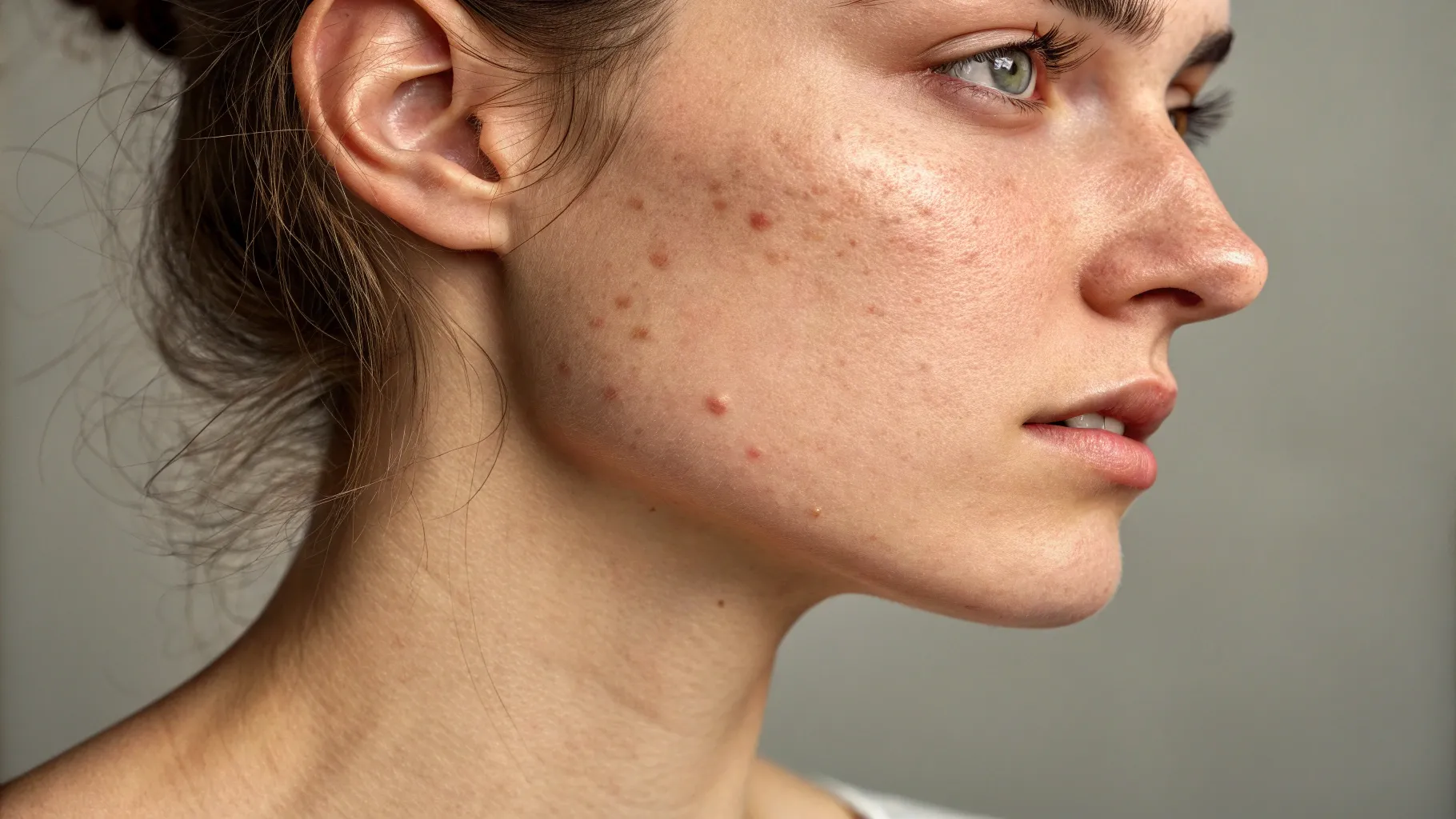
Hormonal acne is a complex skin condition that goes beyond the surface. It's a direct reflection of your body's internal fluctuations, primarily driven by hormones like androgens. Understanding the underlying mechanisms is the first step toward effective management. Many people experience flare-ups without realizing they are dealing with acne linked to hormonal changes, which requires a different approach than typical bacterial acne. The persistent nature of these breakouts often points to a deeper issue, making it crucial to explore the root causes rather than just treating the symptoms. This condition is a clear example of hormonal imbalance and breakouts being closely intertwined.
How Do Hormones Directly Influence Your Skin?
The question of how hormones affect skin is central to understanding this condition. Your skin has sebaceous glands that produce oil (sebum), and these glands are highly sensitive to hormones. Androgens, which are often labeled 'male' hormones but are present in everyone, can stimulate these glands to produce excess oil. This overproduction of sebum creates the perfect environment for pores to become clogged with dead skin cells and oil, leading to the formation of comedones (blackheads and whiteheads). When bacteria, specifically Propionibacterium acnes, thrive in these clogged pores, it results in inflammation, causing the painful pustules and cysts characteristic of hormonal acne. This entire process is a direct result of the body's internal signaling system, showcasing why topical treatments alone are often insufficient for managing severe cases.
When Hormonal Acne Occurs: Key Life Stages and Triggers
A key aspect of this condition is understanding when hormonal acne occurs. It's not limited to teenage years; in fact, it's incredibly common in adults. The most predictable triggers are linked to periods of significant hormonal shifts. During puberty, the surge in androgens kicks off acne for many. For adult women, flare-ups are commonly tied to the menstrual cycle, often appearing a week before menstruation begins as estrogen levels drop. Pregnancy and perimenopause are other major life stages where hormonal fluctuations lead to breakouts. Beyond these natural cycles, factors like stress can increase cortisol levels, which in turn can disrupt other hormones and trigger acne. This makes identifying personal triggers a critical part of managing the condition effectively.
Adult Acne Causes Explained: Beyond the Teenage Years
The conversation around adult acne causes explained often circles back to hormonal activity. While genetics play a foundational role, lifestyle factors significantly contribute to hormonal imbalance and breakouts in adulthood. High-glycemic diets, chronic stress, and lack of sleep can all disrupt the delicate endocrine balance. Polycystic Ovary Syndrome (PCOS) is a common medical condition that frequently presents with persistent acne due to elevated androgen levels. Certain medications can also interfere with hormone levels. It's a multifaceted issue where internal health, genetics, and external stressors converge, resulting in frustrating and often painful skin conditions that can impact self-esteem and quality of life.
Building Effective Skincare Routines for Hormonal Acne
Developing targeted skincare routines for hormonal acne is crucial for managing symptoms and preventing future flare-ups. A gentle yet effective approach is often best, as harsh products can strip the skin's barrier and worsen inflammation. The goal is to reduce excess sebum, encourage cell turnover, and soothe inflammation without causing irritation. Look for ingredients that specifically address the challenges of this type of acne.
- Salicylic Acid: This beta-hydroxy acid (BHA) is oil-soluble, allowing it to penetrate deep into pores to dissolve excess sebum and dead skin cells, making it excellent for preventing clogs.
- Retinoids: Available over-the-counter (retinol) or by prescription (tretinoin), retinoids are vitamin A derivatives that increase skin cell turnover and help prevent pores from becoming clogged. They are a gold standard for treating various forms of acne.
- Niacinamide: This form of vitamin B3 is a powerful anti-inflammatory that helps reduce the redness and swelling associated with acne. It also helps regulate oil production and strengthen the skin barrier.
- Gentle Cleansers: Avoid harsh, stripping cleansers. Opt for a pH-balanced, non-comedogenic cleanser to remove impurities without disrupting your skin's natural moisture barrier. Over-cleansing can trigger even more oil production.
Professional Treatments and Lifestyle Considerations
When topical skincare routines for hormonal acne aren't enough, professional intervention may be necessary. Dermatologists can offer a range of treatments tailored to your specific needs. Oral medications like spironolactone (an androgen blocker) or birth control pills can help regulate the hormonal fluctuations that cause breakouts from within. For severe, cystic acne, isotretinoin may be considered. In addition to medical treatments, lifestyle adjustments play a significant role. Managing stress through practices like yoga or meditation, getting adequate sleep, and adopting a balanced diet low in processed sugars and dairy can have a profound impact on skin health by supporting overall hormonal balance.
Frequently Asked Questions
How can you tell if your acne is hormonal?
You can often identify acne linked to hormonal changes by its location and timing. It typically appears on the lower third of the face, including the chin, jawline, and neck. These breakouts often manifest as deep, cystic, and painful bumps that tend to flare up in a cyclical pattern, especially around the menstrual cycle.
Can diet really affect hormonal acne?
Yes, diet is one of the key adult acne causes explained by modern research. High-glycemic foods (like sugar and refined carbohydrates) can spike insulin levels, which may in turn increase androgen production and oiliness. Some studies also suggest a link between dairy consumption and acne flare-ups in certain individuals.
What is the best topical treatment for hormonal breakouts?
While there is no single 'best' treatment for everyone, many people find success with retinoids. They address acne by preventing clogged pores and have anti-inflammatory properties. Combining a retinoid with other ingredients like salicylic acid or benzoyl peroxide can create one of the more effective skincare routines for hormonal acne.
References
- American Academy of Dermatology Association - Acne: Diagnosis and treatment
- Journal of Clinical and Aesthetic Dermatology - Hormonal Treatment of Acne Vulgaris: An Update
- The New England Journal of Medicine - Acne Vulgaris