
Understanding Back Pain Symptoms: What Your Body Is Telling You
Back pain is one of the most common reasons people visit a doctor or miss work. It can affect individuals of all ages and can stem from a wide variety of causes, from a simple muscle strain to a more complex medical condition. Understanding the specific symptoms you are experiencing can provide valuable clues about the underlying issue and help you communicate more effectively with a healthcare provider.
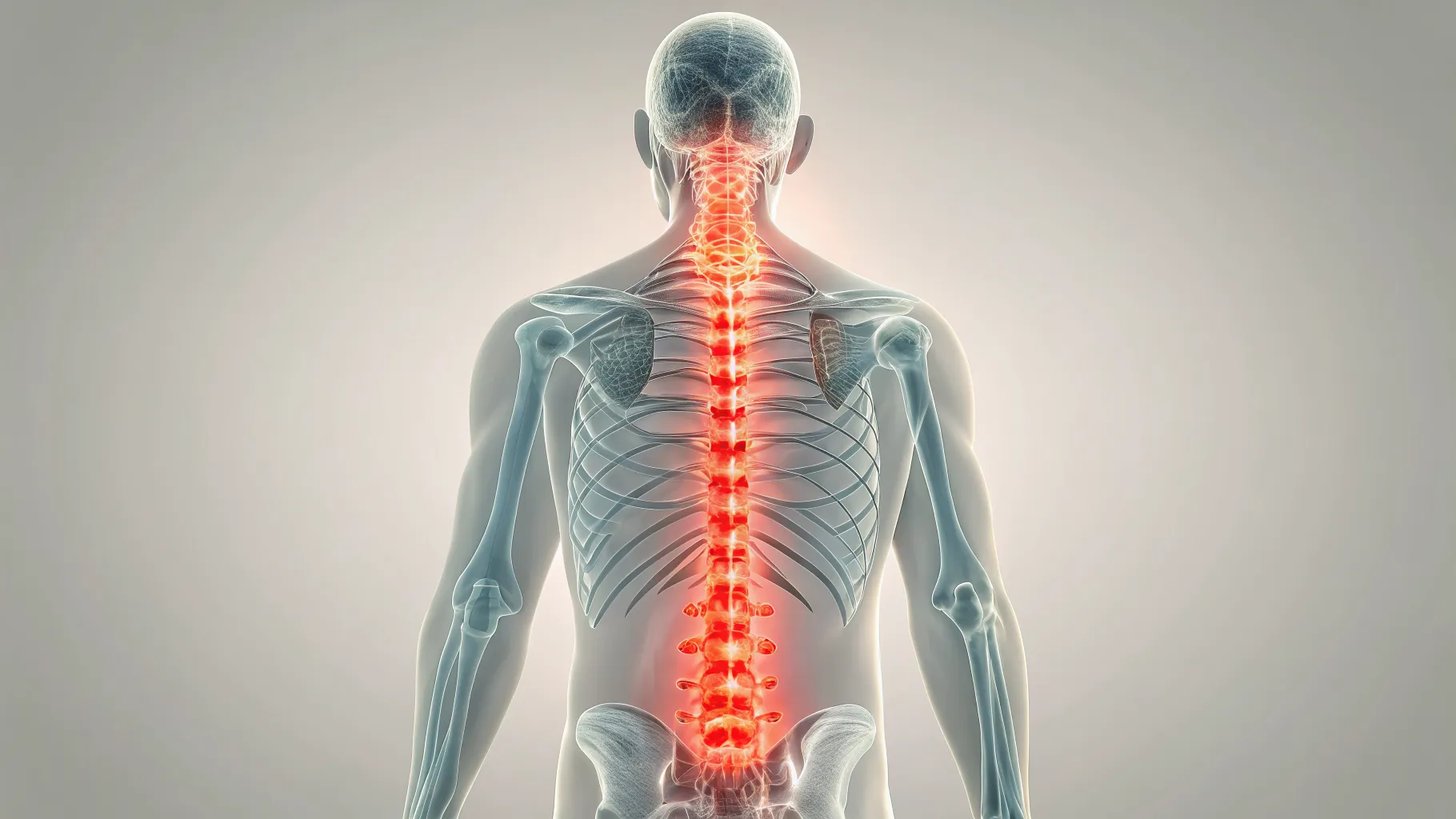
Common Types of Back Pain
Back pain is generally categorized based on its duration. Acute back pain is short-term, lasting from a few days to a few weeks. It often resolves on its own with self-care and is usually the result of a strain, sprain, or minor injury from activities like improper lifting. Chronic back pain, on the other hand, is defined as pain that persists for 12 weeks or longer, even after an initial injury or underlying cause has been treated.
Pain can also be classified by its location along the spine. Lower back pain, affecting the lumbar region, is the most prevalent type. This area supports much of the upper body's weight, making it susceptible to injury. Upper and middle back pain, in the thoracic region, is less common because the bones in this area are more rigid and don't move as much. Neck pain, or cervical spine pain, is also quite common and can be caused by poor posture, muscle strain, or worn joints.
Describing the Sensation of Pain
The way your back pain feels can offer important information. Many people experience a persistent, dull ache in their lower back, which might be related to muscle strain or poor posture. In contrast, a sudden, sharp, or stabbing pain could indicate a more specific issue, such as a muscle tear or a problem with a spinal disc. Understanding how to describe the sensation is a key step in identifying its potential source.
Different sensations can point toward different underlying causes. Consider these common descriptions:
- Dull or Aching Pain: This is often associated with muscle strains, ligament sprains, or general overuse. It may be localized to a specific area or spread across a wider region of the back.
- Sharp or Stabbing Pain: This type of intense pain can come on suddenly and may suggest an issue like a herniated disc pressing on a nerve or a facet joint problem.
- Burning Sensation: A burning feeling, particularly if it travels, often points to nerve irritation or compression.
- Tingling or Numbness: Often described as a 'pins-and-needles' feeling, this symptom is a classic sign of nerve involvement and should be evaluated by a professional.
Symptoms That Radiate to Other Body Parts
Sometimes, the pain you feel in your leg or arm actually originates from a problem in your spine. This is known as radiating pain, or radiculopathy. It occurs when a nerve root in the spine becomes compressed or inflamed, causing pain and other sensations to travel along the path of that nerve. The most well-known example of this is sciatica.
Sciatica is a symptom, not a diagnosis, that describes pain radiating along the sciatic nerve. This large nerve runs from the lower back, through the buttocks, and down the back of each leg. When the nerve is compressed, often by a herniated disc or bone spur, it can cause a range of symptoms. These include a sharp, shooting pain that makes it difficult to stand or walk, as well as numbness, weakness, or a tingling sensation in the leg or foot, usually affecting only one side of the body.
Stiffness and Limited Range of Motion
Another very common symptom of back pain is stiffness and a reduced ability to move freely. You might find it particularly difficult to move when you first wake up in the morning or after sitting in one position for an extended period, such as at a desk or in a car. This stiffness can often be temporarily relieved with gentle movement and stretching.
A limited range of motion can have a significant impact on daily life. Simple tasks like bending down to pick something up, twisting to reach for an object, or even getting dressed can become challenging and painful. This restriction in movement is often the body's way of protecting an injured area, but it can lead to further muscle deconditioning if not addressed.
Muscle Spasms and Cramps
A back spasm is an involuntary and often sudden contraction or tightening of the back muscles. These can be intensely painful and may feel like a tight knot. Spasms can occur on their own or alongside other types of back pain. They are often triggered by an injury to the muscles, ligaments, or discs in the back.
Muscle spasms often serve as a protective response. When an area of the back is injured, the surrounding muscles may contract forcefully to immobilize the area and prevent further damage. While this is a natural reflex, the spasms themselves can cause significant pain and may last from a few seconds to several minutes, sometimes recurring over days or weeks.
When to Seek Medical Attention
While many cases of back pain can be managed at home with rest, over-the-counter pain relievers, and gentle activity, certain symptoms are considered 'red flags'. These symptoms could indicate a more serious underlying condition that requires prompt medical evaluation to prevent long-term complications.
It is important to consult a healthcare professional if you experience any of the following symptoms along with your back pain:
- Pain that develops after a serious accident, such as a car crash or a fall.
- Pain that is constant, severe, and doesn't improve with rest, especially if it worsens at night.
- Weakness, numbness, or tingling that spreads down one or both legs.
- Loss of bladder or bowel control, which requires immediate emergency medical attention.
- Back pain accompanied by a fever or unexplained weight loss.