
Understanding COH Treatment for Women: A Guide to Controlled Ovarian Hyperstimulation
Facts:
- COH significantly boosts the number of mature eggs retrieved.
- Success rates continue to improve for women undergoing controlled ovarian hyperstimulation treatment.
The Foundation of Fertility: Exploring Controlled Ovarian Hyperstimulation for Women
COH treatment for women, or Controlled Ovarian Hyperstimulation, is a cornerstone of modern fertility treatments, particularly in procedures like In Vitro Fertilization (IVF). This intricate process is meticulously designed to stimulate the ovaries to produce multiple mature eggs in a single cycle, rather than the typical one per natural cycle. The primary objective is to maximize the chances of successful fertilization and embryo development, thereby significantly improving the odds of pregnancy. Understanding the nuances of this critical intervention is vital for any woman or couple embarking on their fertility journey, as it forms the very basis of many advanced reproductive technologies. It requires precise timing, specific medications, and constant monitoring to achieve optimal results while minimizing risks.
The Core of COH: Understanding the COH Protocol for IVF
The success of fertility treatments often hinges on a well-executed COH protocol for IVF. This protocol involves a carefully choreographed sequence of hormonal medications and vigilant monitoring designed to synchronize ovarian follicle development and retrieve multiple mature eggs. It is a highly individualized process, tailored to each patient's unique physiological response and fertility profile. The primary goal is to stimulate multiple follicles to grow simultaneously while preventing premature ovulation, ensuring that eggs are retrieved at their peak maturity for subsequent fertilization. The journey typically begins with baseline assessments and progresses through various stages, each demanding meticulous attention to detail from the medical team.
Initial Assessment and Preparation for Ovarian Stimulation for IVF
Before initiating any stimulation, a thorough initial assessment is crucial. This phase involves comprehensive blood tests to evaluate hormone levels (such as FSH, LH, Estradiol, AMH), transvaginal ultrasounds to assess ovarian reserve (antral follicle count), and a review of the patient's medical history. This diagnostic information allows fertility specialists to predict the ovarian response and design the most appropriate ovarian stimulation for IVF plan. Patients are often placed on oral contraceptives or a GnRH agonist to suppress the natural menstrual cycle, providing a 'blank slate' for controlled stimulation and preventing the development of a dominant follicle that might hinder the growth of others.
Stimulation Phase and COH Medication for Women
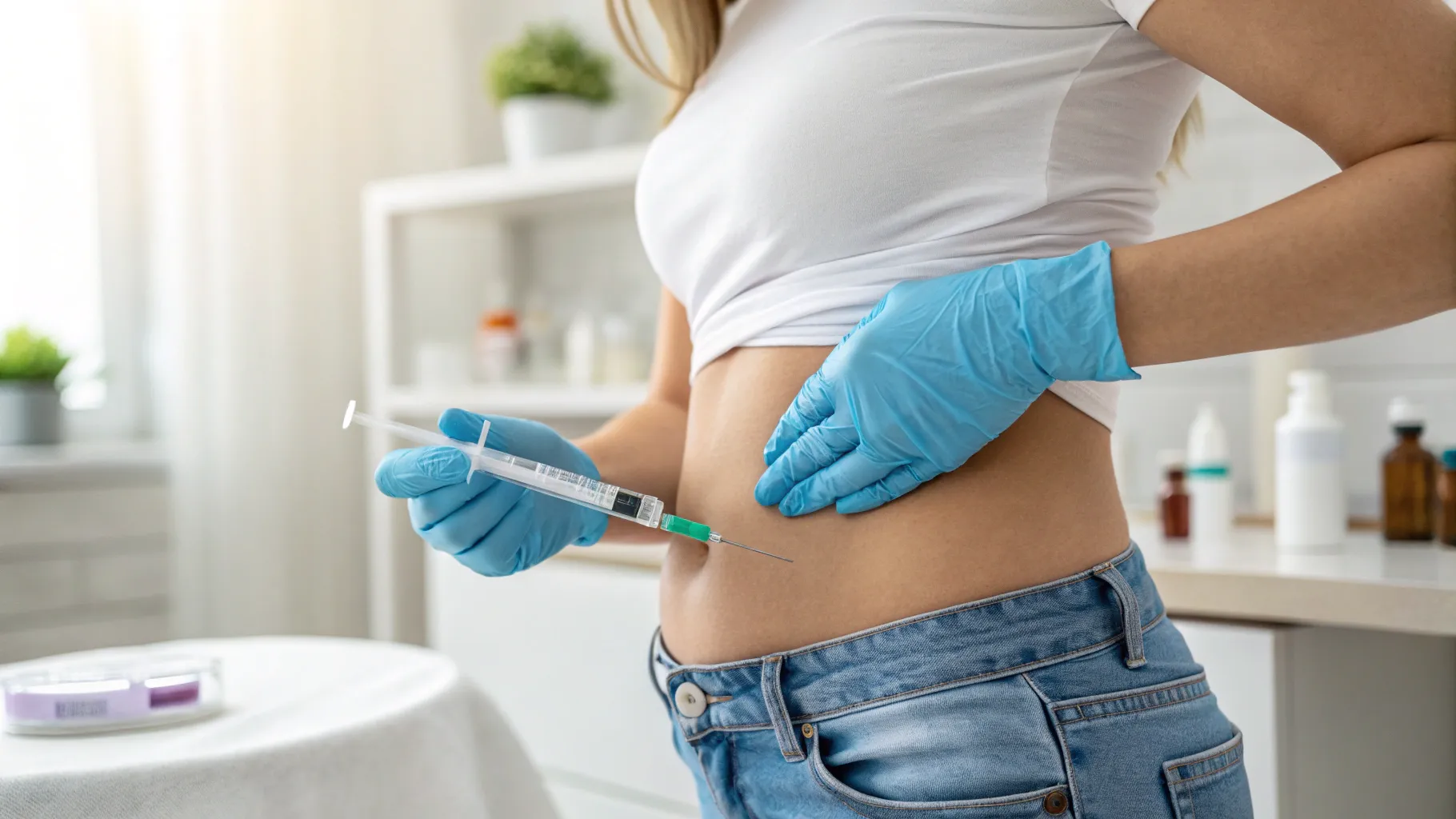
Once the ovaries are suppressed, the stimulation phase begins, typically lasting 8-14 days. During this period, patients administer daily injections of gonadotropins, which are hormones like Follicle-Stimulating Hormone (FSH) and Luteinizing Hormone (LH). These COH medication for women directly stimulate the ovaries to produce multiple follicles, each potentially containing an egg. The dosage and type of medication are carefully adjusted based on the patient's response, which is continuously monitored. The choice between recombinant FSH, human menopausal gonadotropin (hMG), or a combination is determined by the individual's needs and previous responses to ovarian stimulation.
Monitoring and Triggering for IVF Egg Retrieval COH
Throughout the stimulation phase, patients undergo frequent monitoring, including transvaginal ultrasounds to measure follicle size and number, and blood tests to track estradiol levels. This allows the fertility team to fine-tune medication dosages and ensure optimal follicle development. Once a sufficient number of follicles reach the ideal size (typically 17-22mm), and estradiol levels are appropriate, a 'trigger shot' is administered. This injection, usually of human chorionic gonadotropin (hCG) or a GnRH agonist, mimics the natural LH surge, prompting the final maturation of the eggs and preparing them for IVF egg retrieval COH, which typically occurs 34-36 hours later, just before natural ovulation would occur.
Essential COH Medication for Women: A Closer Look
The efficacy of fertility treatment COH is largely dependent on the judicious use of specific medications that orchestrate the complex hormonal cascade within the body. These medications are precisely chosen and dosed to achieve optimal follicular development while minimizing risks. The primary classes of drugs used include gonadotropins, GnRH agonists, and GnRH antagonists, each playing a distinct and crucial role in the overall stimulation process. Understanding the function of each medication helps patients better comprehend their treatment plan and adhere to the strict COH injection schedule.
Gonadotropins, such as FSH (e.g., Gonal-F, Follistim) and sometimes LH (e.g., Luveris) or a combination (hMG, e.g., Menopur), are the direct ovarian stimulants. They are responsible for promoting the growth and maturation of multiple follicles. GnRH agonists (e.g., Lupron, Buserelin) are used in 'long protocols' to suppress the pituitary gland, preventing a premature LH surge and ensuring that the final maturation of eggs is controlled by the trigger shot. In contrast, GnRH antagonists (e.g., Ganirelix, Cetrotide) offer a 'short protocol' approach, directly blocking the GnRH receptor to prevent premature ovulation, offering more flexibility and often reducing the duration of injections. The selection of these COH medication for women is individualized, considering factors like age, ovarian reserve, and previous treatment responses, to achieve a successful IVF controlled ovarian stimulation.
The Journey to Egg Retrieval: IVF Egg Retrieval COH Explained
The culmination of the COH protocol for IVF is the egg retrieval procedure, a critical step in the IVF process. This minor surgical procedure is performed after the trigger shot has been administered and the eggs have completed their final maturation. The timing is paramount, usually scheduled 34-36 hours post-trigger, just before the body's natural ovulation process would begin, ensuring the retrieval of mature, viable eggs. The procedure is typically performed under light sedation, making it a comfortable experience for the patient while allowing the physician precise access to the ovaries.
During the IVF egg retrieval COH, a transvaginal ultrasound probe is used to guide a thin needle through the vaginal wall into each ovarian follicle. Gentle suction is then applied to aspirate the follicular fluid, which contains the eggs, from each mature follicle. A highly trained embryologist immediately examines the fluid under a microscope in an adjacent laboratory to identify and count the retrieved oocytes. The number of eggs retrieved can vary significantly among individuals, reflecting their response to ovarian stimulation for IVF. Post-procedure, patients typically experience mild cramping or discomfort, similar to menstrual period symptoms, which usually subsides within a day or two. Recovery is generally quick, allowing patients to return to light activities shortly after, while carefully following post-retrieval instructions to manage any potential side effects of ovarian hyperstimulation therapy.
Optimizing Outcomes: Strategies for Successful Ovarian Stimulation for IVF
Achieving a successful outcome from fertility treatment COH involves more than just following the prescribed medication schedule; it requires a holistic approach that integrates medical expertise with patient-specific lifestyle considerations. Optimizing outcomes means maximizing the number of high-quality eggs retrieved while minimizing risks, ultimately enhancing the chances of a healthy pregnancy. Personalization is key, as each woman's response to ovarian stimulation for IVF can vary significantly based on genetic factors, age, ovarian reserve, and overall health. Therefore, close collaboration between the patient and the fertility team is essential to adjust protocols as needed.
- Adhering to the COH Injection Schedule: Strict adherence to the prescribed COH injection schedule is fundamental. Missing doses or administering them at inconsistent times can disrupt follicular development and potentially compromise the cycle's success. Patients should maintain clear communication with their clinic regarding any challenges in adhering to the schedule.
- Lifestyle and Nutritional Support: While not a cure-all, a healthy lifestyle can positively influence ovarian response. This includes maintaining a balanced diet rich in antioxidants, lean proteins, and healthy fats, which can support overall reproductive health. Avoiding excessive caffeine and alcohol, and incorporating prenatal vitamins, are often recommended.
- Stress Management Techniques: The emotional toll of fertility treatment can be significant. High stress levels might indirectly impact hormonal balance. Engaging in stress-reducing activities like meditation, yoga, mindfulness, or counseling can be beneficial. Many clinics offer support groups or access to fertility counselors to help manage the psychological aspects of controlled ovarian hyperstimulation treatment.
- Regular Monitoring and Open Communication: Consistent monitoring via ultrasounds and blood tests allows the medical team to make timely adjustments to medication dosages. Patients should also proactively communicate any unusual symptoms or concerns, ensuring a responsive and adaptive treatment plan for IVF controlled ovarian stimulation.
- Personalized Protocol Adjustments: Based on the initial ovarian response and ongoing monitoring, the fertility specialist may modify the specific COH protocol for IVF. This could involve adjusting gonadotropin dosages, changing the type of GnRH antagonist/agonist used, or even altering the timing of the trigger shot. These individualized adjustments are crucial for optimizing follicular growth and egg quality in subsequent cycles if necessary.
Navigating Potential Challenges: Ovarian Hyperstimulation Therapy and Side Effects
While COH treatment for women is highly effective, it's essential to be aware of potential complications, with Ovarian Hyperstimulation Syndrome (OHSS) being the most significant. OHSS is a potentially serious side effect where the ovaries become swollen and painful, and fluid leaks into the abdomen, leading to bloating, nausea, and in severe cases, more critical health issues. Understanding OHSS and its management is a crucial component of any fertility treatment COH plan. Modern protocols for ovarian hyperstimulation therapy aim to minimize its incidence through careful monitoring and trigger shot selection.
The severity of OHSS can range from mild to severe. Mild OHSS is common and typically involves bloating, mild abdominal pain, and nausea, usually resolving with rest and over-the-counter pain relievers. Moderate OHSS may involve more pronounced symptoms, fluid accumulation in the abdomen, and requires closer monitoring. Severe OHSS, though rare, can lead to significant fluid shifts, electrolyte imbalances, kidney problems, and blood clots, necessitating hospitalization. Risk factors for OHSS include a high number of retrieved eggs, young age, polycystic ovary syndrome (PCOS), and high estrogen levels during stimulation. Strategies to prevent OHSS include using GnRH antagonist protocols, administering a GnRH agonist instead of hCG for the trigger shot in high-risk patients, and proactively freezing all embryos to prevent pregnancy in that cycle, as pregnancy can exacerbate OHSS. Patients undergoing IVF controlled ovarian stimulation are educated on recognizing symptoms and encouraged to report any concerns immediately to their fertility team for prompt intervention.
Frequently Asked Questions
What is the primary goal of controlled ovarian hyperstimulation treatment?
The primary goal is to stimulate the ovaries to produce multiple mature eggs in a single cycle, significantly increasing the chances of successful fertilization and embryo development, especially in procedures like IVF.
How long does a typical COH protocol for IVF last?
A typical stimulation phase for a COH protocol for IVF usually lasts between 8 to 14 days, though the overall process from initial assessment to egg retrieval can span several weeks.
Are there alternatives to ovarian stimulation for IVF?
While ovarian stimulation for IVF is standard, alternatives include natural cycle IVF (where only the naturally produced egg is retrieved) or modified natural cycle IVF (with minimal stimulation). However, these usually yield fewer eggs and may require more cycles for success.
What are common side effects of COH medication for women?
Common side effects of COH medication for women include bloating, mild abdominal discomfort, mood swings, headaches, and tenderness at injection sites. These are generally mild and temporary.
How does IVF controlled ovarian stimulation differ from natural cycles?
In natural cycles, the body typically produces one dominant egg. IVF controlled ovarian stimulation, through medication, aims to develop multiple follicles simultaneously, leading to the retrieval of many eggs for increased chances of successful fertilization.
References
- Practice Committee of the American Society for Reproductive Medicine. (2020). Ovarian hyperstimulation syndrome. Fertility and Sterility.
- Esteves, S. C., Horta, F., & Dias, J. (2018). Ovarian stimulation for IVF/ICSI. In Textbook of Assisted Reproductive Techniques.
- Bourgain, C. (2018). Controlled ovarian hyperstimulation for in vitro fertilization and its effect on the endometrium. Minerva Ginecologica.