
Understanding the Common Symptoms of Knee Arthritis
Knee arthritis is a condition that affects millions of people, gradually wearing down the cartilage that cushions the knee joint. Recognizing the symptoms early is key to managing the condition effectively. While many associate it with simple joint pain, the signs can be more varied and subtle, impacting mobility and quality of life in different ways.
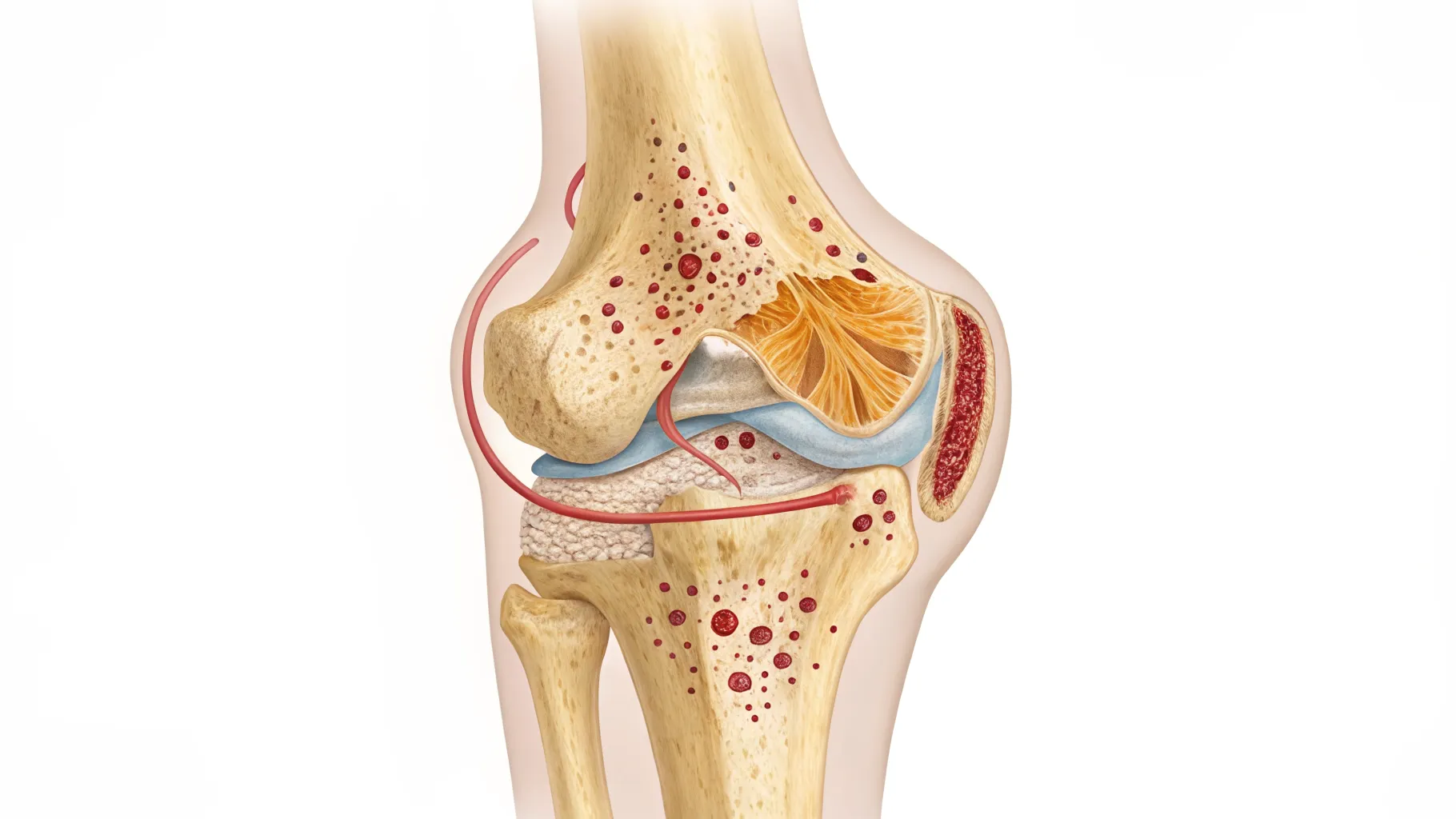
What is Knee Arthritis?
Knee arthritis is not a single disease but a term for several conditions that cause joint inflammation and degeneration in the knee. The most common type is osteoarthritis, which results from the wear and tear of cartilage over time. As the cartilage erodes, the bones of the joint can rub against each other, leading to pain, stiffness, and other symptoms. Other forms include rheumatoid arthritis, an autoimmune disorder where the body's immune system attacks the joint lining, and post-traumatic arthritis, which can develop after a knee injury.
Regardless of the type, the underlying process involves damage to the knee joint's structures. This damage triggers an inflammatory response, which contributes to many of the symptoms experienced. Understanding the specific type of arthritis is important for determining the most appropriate management strategies, as treatments can vary significantly between osteoarthritis and inflammatory types like rheumatoid arthritis.
Persistent Pain and Aching
One of the most reported symptoms of knee arthritis is a deep, aching pain in the joint. This pain often develops gradually and may initially be noticeable only after certain activities, such as walking, climbing stairs, or kneeling. Over time, the pain can become more constant and may even occur during periods of rest or disrupt sleep at night.
The character of the pain can also change. Some people describe it as a dull ache, while others experience sharp, stabbing sensations, especially during movement. The pain might be activity-related, worsening after a long day on your feet, or it can be influenced by weather changes, with some individuals reporting increased discomfort in cold or damp conditions. This persistent pain is a direct result of cartilage loss and bone-on-bone friction within the joint.
Stiffness and Reduced Range of Motion
Joint stiffness is another hallmark symptom of knee arthritis. Many people experience significant stiffness in the morning upon waking, which can make it difficult to get out of bed or start moving. This morning stiffness typically lasts for less than 30 minutes with osteoarthritis but can persist longer with inflammatory types like rheumatoid arthritis. Stiffness can also set in after long periods of inactivity, such as sitting in a car or at a desk for an extended time.
This stiffness is often accompanied by a noticeable decrease in the knee's range of motion. You might find it harder to fully bend or straighten your leg. Activities that were once easy, like squatting down to pick something up or getting in and out of a bathtub, may become challenging. This loss of flexibility occurs as the joint surfaces become rougher and as the body tries to protect the painful joint by limiting its movement.
Swelling and Tenderness
Inflammation within the knee joint can lead to visible swelling, also known as an effusion or 'water on the knee'. This occurs when excess fluid accumulates in the joint space. The knee may look puffy or larger than the unaffected one. The swelling can fluctuate, sometimes increasing after a period of high activity and decreasing with rest.
Along with swelling, the knee may feel warm to the touch and be tender when pressure is applied. This tenderness is often most pronounced along the joint line, which is the space between the thigh bone (femur) and the shin bone (tibia). The combination of swelling and tenderness can make it uncomfortable to wear tight clothing or even to have bedsheets resting on the knee at night.
Grinding or Popping Sensations
As the protective cartilage in the knee wears away, the bones can start to rub against each other. This can create a sensation known as crepitus. Individuals with knee arthritis often report hearing or feeling a grinding, clicking, or popping sound when they move their knee. While occasional joint popping can be normal, persistent crepitus accompanied by pain is a common indicator of arthritis.
This sensation is caused by the roughened joint surfaces moving against each other or against loose fragments of cartilage within the joint. While the sounds themselves are not always harmful, they are a clear sign that the joint's internal structures have changed. Paying attention to these noises, especially when they are new or associated with discomfort, can be helpful in identifying the progression of the condition.
Changes in Knee Appearance and Stability
Over time, chronic knee arthritis can lead to visible changes in the joint's appearance and function. The muscles around the knee, particularly the quadriceps at the front of the thigh, may weaken and appear smaller. This muscle atrophy can contribute to a feeling of instability or the knee 'giving way'.
In more advanced stages, the joint itself may begin to look deformed. The knee might start to bow outward (varus deformity) or knock inward (valgus deformity) as the cartilage loss becomes uneven across the joint. These structural changes can alter your gait and put additional stress on other joints, such as the hips and ankles. This feeling of instability can make walking on uneven surfaces particularly difficult and may increase the risk of falls.