
Understanding Dental Crown Treatment: A Complete Guide
A dental crown is one of the most common restorative treatments in dentistry, designed to protect and restore a damaged tooth. Understanding the purpose, procedure, and care involved can help demystify the process for anyone who might need one. This treatment can significantly improve both the function and appearance of your smile.
What Is a Dental Crown?
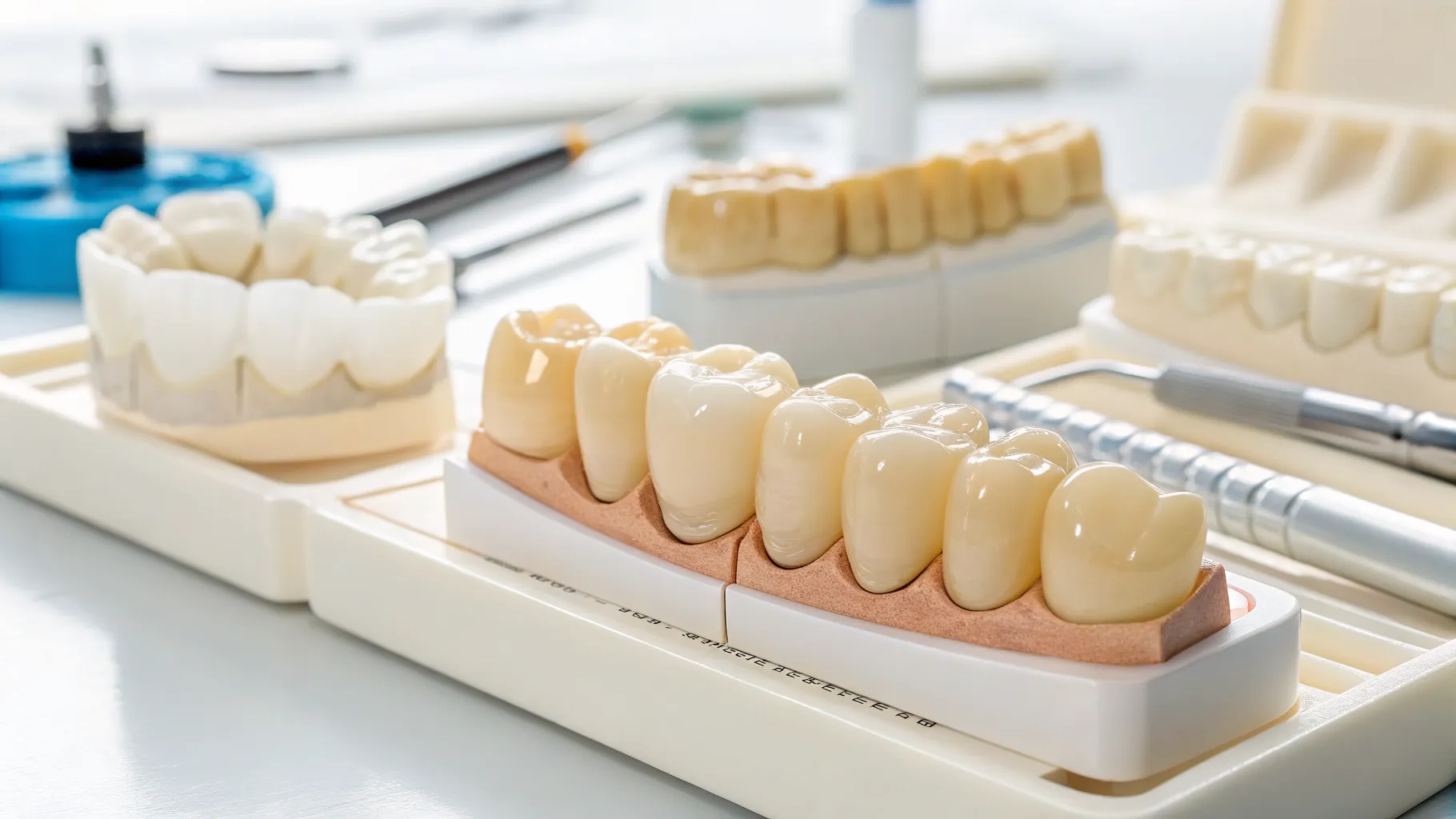
A dental crown is essentially a custom-made cap that is placed over a tooth. It's designed to completely encase the visible portion of a tooth that lies at and above the gum line. Once cemented into place, the crown becomes the tooth's new outer surface, restoring its original shape, size, strength, and appearance.
The primary function of a crown is to address a variety of dental issues. It can protect a weak tooth from further damage, restore a broken or severely worn-down tooth, or improve the aesthetics of a discolored or misshapen tooth. By covering the entire tooth, a crown provides comprehensive support and protection that other restorations, like fillings, cannot offer.
When Is a Dental Crown Necessary?
A dentist may recommend a dental crown for several reasons, typically related to the structural integrity or cosmetic appearance of a tooth. It's often the best solution when a tooth has been compromised to the point where a simple filling is no longer sufficient to provide adequate strength and protection.
Common situations that call for a dental crown include:
- To protect a weak tooth, such as one with significant decay, from breaking or to hold together parts of a cracked tooth.
- To restore a tooth that is already broken or has been severely worn down from habits like grinding.
- To cover and support a tooth with a large filling, especially when there isn't much natural tooth structure remaining.
- To hold a dental bridge, which is used to replace missing teeth, securely in place.
- To cover misshapen or severely discolored teeth for cosmetic improvement.
- To complete a dental implant by providing a functional and natural-looking tooth replacement.
Types of Dental Crowns
Dental crowns can be made from a variety of materials, and the best choice often depends on the location of the tooth, the patient's preference, and functional needs. Each material has its own set of advantages and disadvantages regarding durability, appearance, and cost.
The most common materials include porcelain or ceramic, which offer the most natural color match to surrounding teeth and are excellent for front teeth. Zirconia is another popular ceramic material known for its exceptional strength and aesthetic qualities. Metal alloys, including gold, offer superior strength and durability, making them a good choice for back molars. Porcelain-fused-to-metal (PFM) crowns provide a balance of strength from the metal substructure and aesthetics from the porcelain exterior, though the metal may sometimes show as a dark line at the gum line.
The Dental Crown Procedure: Step by Step
Getting a dental crown typically requires two visits to the dentist's office. The first visit is for preparation and creating a mold for the permanent crown, while the second is for placing the final restoration. Some dental offices may offer same-day crowns using modern digital technology, but the two-visit process remains very common.
During the first appointment, your dentist will examine and prepare the tooth. This involves removing any decay and reshaping the tooth to make room for the crown. An impression or digital scan of the prepared tooth is then taken and sent to a dental lab where the permanent crown will be fabricated. Your dentist will place a temporary crown over the tooth to protect it while the permanent one is being made. On the second visit, the temporary crown is removed, and the permanent crown is carefully checked for fit, bite, and color before being permanently cemented into place.
Caring for Your Dental Crown
Proper care is essential to extend the life of your dental crown and maintain the health of the underlying tooth. While the crown material itself is not susceptible to decay, the natural tooth underneath is still vulnerable to plaque and bacteria, especially at the margin where the crown meets the tooth.
To care for your crown, you should maintain a consistent oral hygiene routine. This includes brushing your teeth twice a day with fluoride toothpaste and flossing daily. Pay special attention to the area around the crown to remove any plaque buildup. It's also wise to avoid chewing on very hard objects, such as ice or hard candy, which could potentially chip or damage the crown. Regular dental check-ups and cleanings are also crucial for monitoring the condition of your crown and overall oral health.
Potential Issues and Longevity
Although dental crowns are highly successful, some issues can occasionally arise. You might experience some temporary sensitivity to hot or cold after the procedure, which usually subsides. If the crown feels loose, chips, or falls off, you should contact your dentist immediately to have it re-cemented or repaired. Proper care can help minimize these risks.
The lifespan of a dental crown can vary significantly, but most last between 5 and 15 years, with many lasting much longer. The longevity depends heavily on the material used for the crown, the amount of wear and tear it is exposed to, and how well you follow good oral hygiene practices. With diligent care and regular dental visits, a well-made dental crown can serve you well for many years.