
Understanding Early Signs of HIV: A Guide to Symptoms
🗣️ Fast Facts:
- Early detection: Improves treatment outcomes significantly.
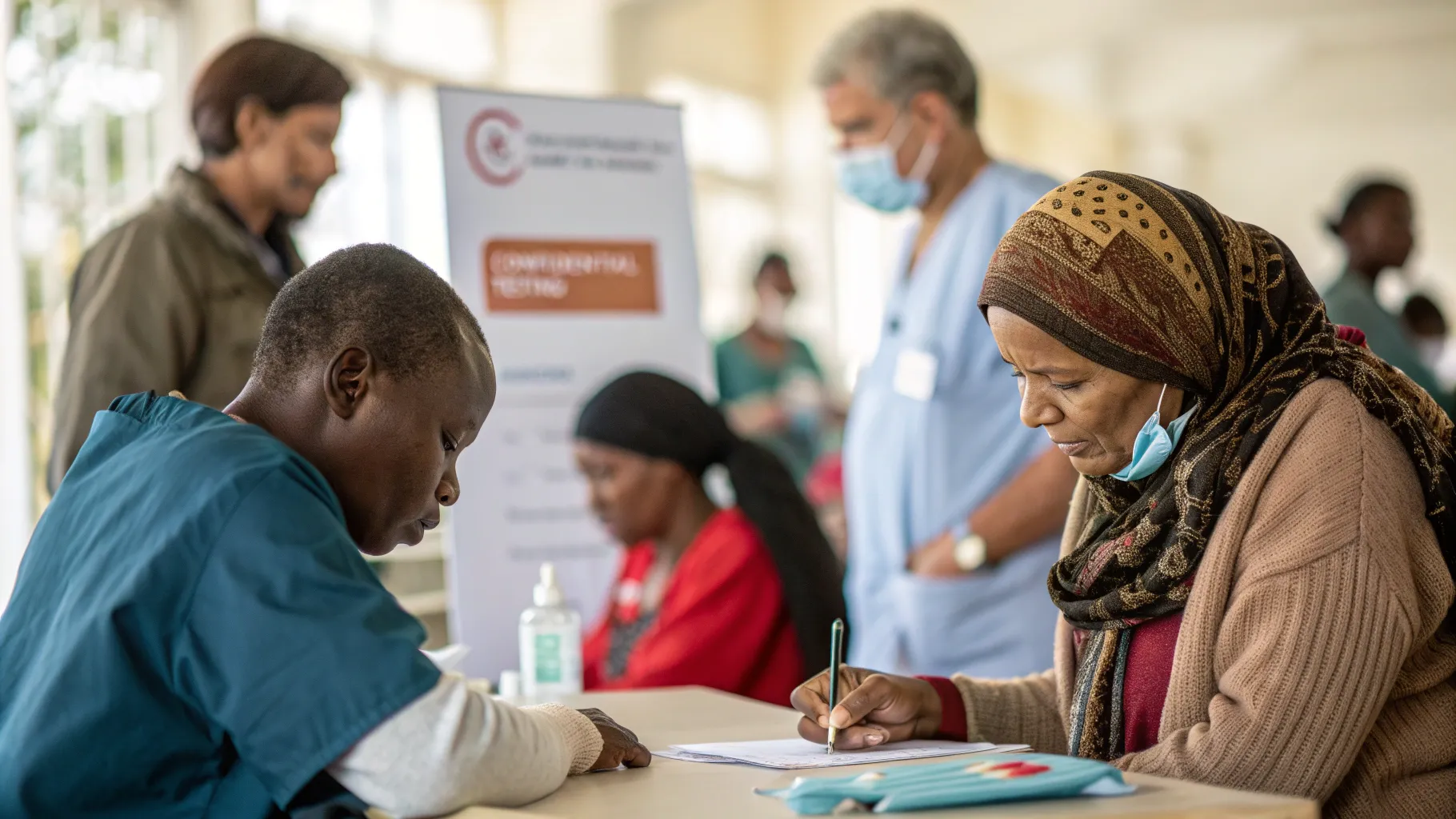
- Confidential testing is available for everyone.
- Your Area has available options/inventory regarding Understanding Early Signs of HIV and the Importance of Testing.
Understanding Symptoms & Testing Options
Navigating health concerns can be daunting, but understanding the Early Signs of HIV is a critical step towards proactive health management. While these initial symptoms can often be vague and mimic common illnesses, recognizing their potential significance and acting swiftly to get tested is paramount for effective treatment and preventing further transmission. This guide aims to demystify these early indicators and emphasize why timely, confidential testing is not just a medical procedure, but a cornerstone of public health.
Key Benefits
- Early diagnosis allows for prompt treatment, leading to a longer, healthier life.
- Prevents transmission to others, contributing to public health efforts.
- Access to comprehensive support networks and medical resources.
- Reduces anxiety and uncertainty, empowering informed health decisions.
- Improved quality of life and better long-term health outcomes.
Understanding early signs of HIV, such as fever, fatigue, or swollen lymph nodes, compared to later-stage symptoms which can include severe infections, dramatically impacts prognosis and treatment effectiveness. Early detection facilitates immediate access to antiretroviral therapy (ART), which can suppress the virus to undetectable levels, preventing progression to AIDS and improving quality of life significantly, whereas late detection often means dealing with more severe health complications and reduced treatment efficacy.
Essential Checklist
- Know your personal risk factors for HIV exposure.
- Familiarize yourself with common early symptoms, such as flu-like illness.
- Get tested regularly, especially after any potential exposure.
- Talk to a trusted healthcare provider about any concerns or symptoms.
- Understand the different types of HIV tests available (e.g., rapid, lab-based).
- Access local resources for confidential testing and support services.
Frequently Asked Questions
What are the very first signs of HIV?
The very first signs of HIV, often appearing 2-4 weeks after infection, can include flu-like symptoms such as fever, fatigue, swollen lymph nodes, sore throat, rash, and muscle aches. However, these symptoms are non-specific and can be mistaken for other illnesses, making testing crucial for accurate diagnosis.
How soon can HIV be detected by testing?
Modern HIV tests can detect the virus within days to weeks of exposure. Fourth-generation antigen/antibody tests can usually detect HIV 2-6 weeks after exposure, while nucleic acid tests (NATs) can detect it as early as 10-33 days post-exposure.
Why is early HIV testing important?
Early HIV testing is vital because it allows individuals to start antiretroviral therapy (ART) promptly. ART can reduce the viral load to undetectable levels, which not only improves the individual's health and life expectancy but also prevents the sexual transmission of HIV to others (U=U: Undetectable = Untransmittable).
References
- World Health Organization (WHO). "HIV/AIDS Fact Sheet."
- Centers for Disease Control and Prevention (CDC). "HIV Basics."
- National Institute of Allergy and Infectious Diseases (NIAID). "HIV/AIDS Information."
- UNAIDS. "Global HIV & AIDS Statistics — 2023 Fact Sheet."