
Understanding Eyelid Dermatitis: Causes, Symptoms, and Relief
Fast Facts:
- Common Condition: Affects millions globally.
- Sensitive skin around eyes needs gentle care.
Unraveling the Mysteries of Eyelid Dermatitis
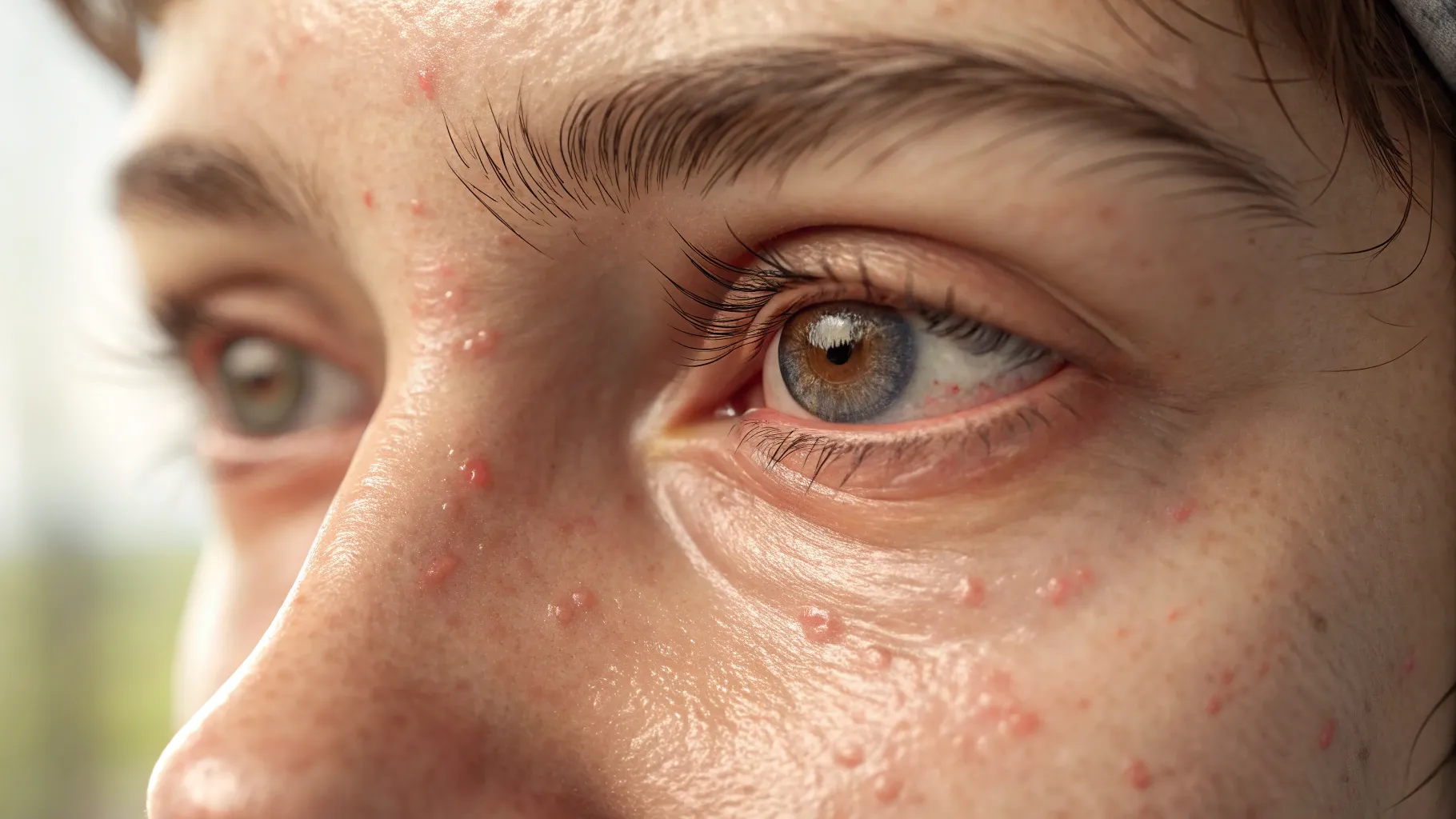
Eyelid dermatitis, a common and often frustrating condition, manifests as inflammation of the skin around the eyes. Characterized by redness, itching, and flaking, it can significantly impact comfort and appearance. Understanding the underlying **eyelid dermatitis causes** and effective management strategies is crucial for relief and prevention.
Identifying the Culprits: Eyelid Dermatitis Causes and Triggers
Eyelid dermatitis primarily stems from two types of contact dermatitis: irritant and allergic. Irritant contact dermatitis occurs when the delicate skin of the eyelids comes into contact with a substance that directly damages its protective barrier. Common culprits include harsh soaps, certain cleansers, make-up removers, and even excessively hot water. Allergic contact dermatitis, on the other hand, is an immune system reaction to a specific allergen. This can be challenging to pinpoint as reactions might not appear immediately. Many **common triggers for eyelid irritation** are found in everyday products. These include fragrances, preservatives (like parabens or formaldehyde releasers), certain metals (e.g., nickel in tools or glasses), and even airborne allergens like pollen.
Irritant Contact Dermatitis
This type results from direct damage to the skin from chemicals or friction. Products such as strong facial cleansers, harsh shampoos, or even extended exposure to chlorine in swimming pools can lead to irritation. Rubbing the eyes excessively, especially when tired or stressed, also contributes to this form of dermatitis.
Allergic Contact Dermatitis
Here, the immune system overreacts to a harmless substance. Common allergens include ingredients in cosmetics (mascara, eyeliner, eyeshadow, nail polish transferred by touching eyes), topical medications, contact lens solutions, and even allergens transferred from hands after touching plants like poison ivy or using cleaning products. Identifying and avoiding these specific allergens is key to preventing flare-ups.
Recognizing the Signs: Symptoms of Eyelid Dermatitis
The **symptoms of eyelid dermatitis** can range from mild discomfort to severe inflammation. Typically, individuals experience redness, itching, and a burning sensation on the eyelids. The skin may appear dry, flaky, or scaly, and in some cases, small bumps or blisters may develop. Swelling of the eyelids, sometimes significant enough to partially obscure vision, is also a common symptom. Chronic rubbing or scratching due to persistent itching can further thicken the skin, leading to a leathery appearance. These symptoms can be distressing and affect daily life.
Soothing Solutions: Sensitive Skin Care Around Eyes
Managing eyelid dermatitis involves a multi-pronged approach focused on identifying and avoiding triggers, along with gentle skin care. For **sensitive skin care around eyes**, it's crucial to use hypoallergenic and fragrance-free products. Opt for mild cleansers specifically designed for sensitive skin or even just lukewarm water. When moisturizing, choose emollients without common irritants or allergens. Avoiding direct contact with potential irritants, like harsh cleansers or even certain shampoos, is paramount. Always patch test new products on a small, less sensitive area of skin before applying them around the eyes.
Daily Habits Affecting Eyelid Skin
Our **daily habits affecting eyelid skin** play a significant role in either exacerbating or alleviating dermatitis. Thoroughly removing all eye makeup before bed with a gentle, non-irritating remover is essential. Avoid rubbing or scrubbing the delicate eyelid skin vigorously. Be mindful of touching your eyes throughout the day, as this can transfer irritants or allergens from your hands. Regularly clean makeup brushes and replace old cosmetics, as they can harbor bacteria and irritants. If you wear contact lenses, ensure you use the correct solution and practice good hygiene.
- Use hypoallergenic and fragrance-free skincare and cosmetic products.
- Avoid harsh rubbing when removing makeup or cleansing your face.
- Keep hands clean and avoid touching your eyes unnecessarily.
- Consider patch testing new eye cosmetics or skincare products before full application.
- Choose eyeglasses with hypoallergenic frames if you suspect metal allergies.
When to Seek Professional Help: Dermatologist Consultation
While many cases of eyelid dermatitis can be managed with home care and trigger avoidance, there are instances **when to see a dermatologist for eyelid rash**. If your symptoms are severe, persistent, or worsening despite your best efforts, professional medical advice is warranted. A dermatologist can accurately diagnose the type of dermatitis, potentially performing patch testing to identify specific allergens. They can also prescribe stronger topical corticosteroids, calcineurin inhibitors, or other treatments to manage inflammation and discomfort. Seek immediate attention if you experience pain, vision changes, or signs of infection like pus or severe swelling.
Frequently Asked Questions
Is eyelid dermatitis contagious?
No, eyelid dermatitis is not contagious. It is an inflammatory reaction of the skin to an irritant or allergen, not an infection that can spread from person to person.
Can diet affect eyelid dermatitis?
While less common, some individuals report flare-ups linked to specific dietary allergens, though this is not a primary cause. If you suspect a dietary link, consult with a dermatologist or allergist for guidance.
References
- American Academy of Dermatology Association. (n.d.). Eyelid Dermatitis: Causes, Symptoms, and Treatment.
- Mayo Clinic. (n.d.). Contact Dermatitis.