
Understanding Hearing Loss in Seniors: Causes, Signs, and Solutions
Facts:
- Nearly 25% of people aged 65 to 74 have disabling hearing loss.
- A growing trend for seniors is adopting Bluetooth-enabled hearing aids.
The Unseen Challenge: Navigating the Realities of Hearing Loss in Seniors
As we age, our bodies undergo numerous changes, and our hearing is no exception. Hearing Loss in Seniors is one of the most common conditions affecting older adults, yet it often goes unaddressed, leading to significant impacts on quality of life, communication, and emotional well-being. Understanding this condition is the first step toward effective management and maintaining strong social connections. It's not just about turning up the volume; it's about addressing a complex sensory decline that can affect everything from personal safety to cognitive health. Recognizing the signs early and exploring available solutions can profoundly change the experience of aging, transforming potential isolation into continued engagement with the world.
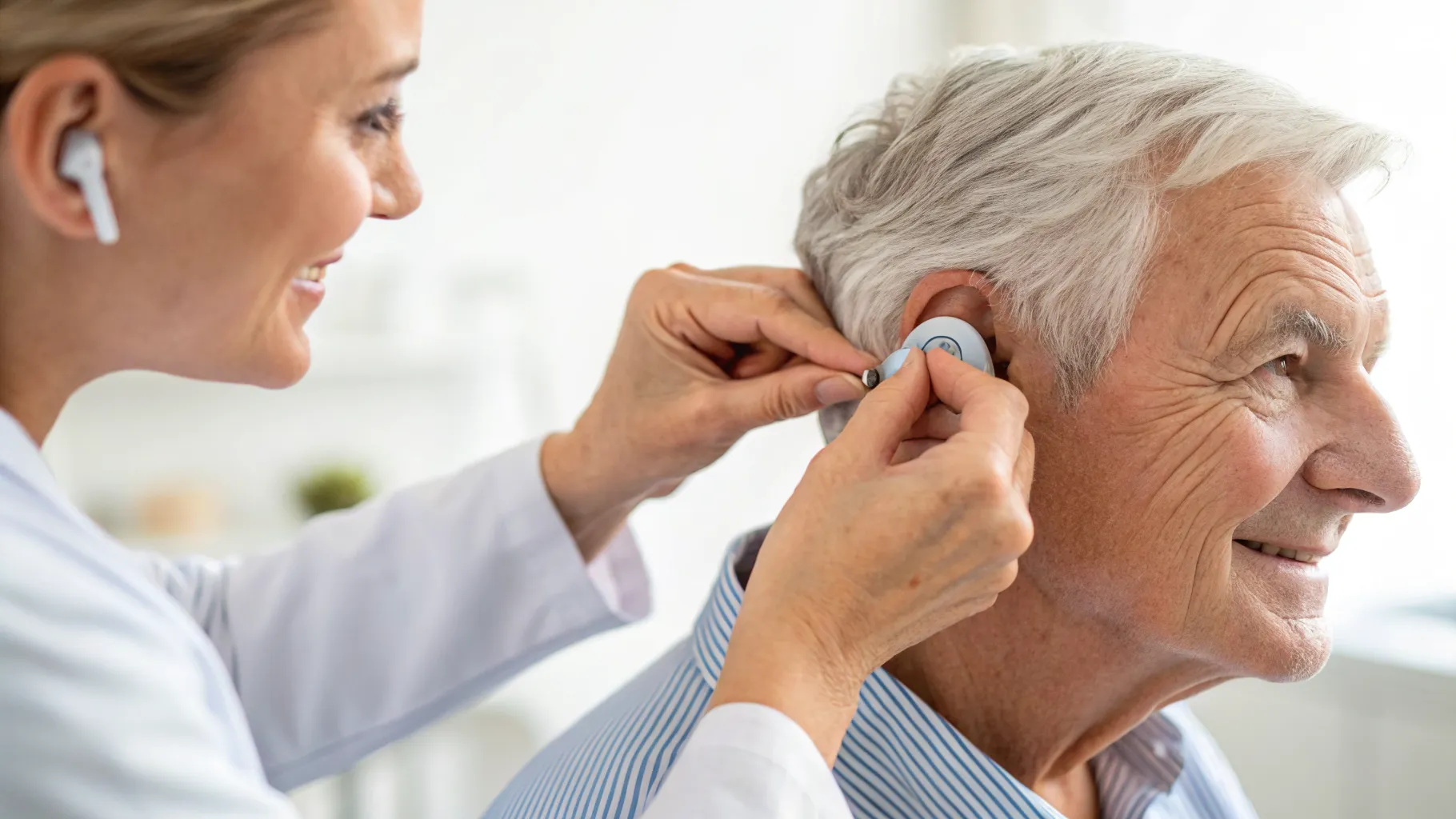
Understanding the Primary Causes of Age-Related Hearing Loss
The most common form of Hearing Loss in Seniors is known as presbycusis, or age-related hearing loss. This condition develops gradually over many years as a result of changes in the inner ear and auditory nerve. The delicate hair cells in the cochlea, which are responsible for translating sound vibrations into electrical signals for the brain, can become damaged or die off and do not regenerate. Beyond the natural aging process, a lifetime of exposure to loud noise—from occupational hazards to recreational activities—can significantly accelerate this damage. Other contributing factors include genetics, as a predisposition to hearing loss can run in families, and certain medical conditions like high blood pressure, diabetes, and heart problems, which can affect blood flow to the inner ear. Some medications, known as ototoxic drugs, can also damage the auditory system, further contributing to the prevalence of Hearing Loss in Seniors.
Recognizing the Early Signs and Symptoms
Because age-related hearing loss is typically gradual, many individuals may not notice it at first. Family members are often the first to observe the signs. Common indicators of Hearing Loss in Seniors include frequently asking others to repeat themselves, misunderstanding conversations, and complaining that people are mumbling. A person might have particular difficulty hearing in noisy environments like restaurants or family gatherings. Another tell-tale sign is needing to turn up the volume on the television or radio to a level that others find too loud. Some seniors may also experience tinnitus, which is a ringing, buzzing, or hissing sound in the ears. Social withdrawal can also be a symptom, as individuals may avoid social situations where they feel embarrassed or frustrated by their inability to follow conversations.
The Social and Emotional Toll of Untreated Hearing Impairment
Untreated Hearing Loss in Seniors extends far beyond the inability to hear clearly; it can have profound social and emotional consequences. The frustration of constantly straining to hear can lead to anxiety, stress, and a decreased sense of self-worth. Many seniors begin to withdraw from social activities they once enjoyed because they can no longer participate fully in conversations. This isolation is a significant risk factor for depression and loneliness. Furthermore, research has established a strong link between untreated hearing loss and an increased risk of cognitive decline and dementia. The brain has to work harder to process sound, diverting cognitive resources from other functions like memory and concentration. Proactively managing hearing loss is therefore crucial not just for auditory health, but for overall mental and emotional well-being.
Exploring Modern Solutions: From Hearing Aids to Assistive Devices
Fortunately, technology has made remarkable strides in managing hearing loss. The most common and effective solution is hearing aids. Modern hearing aids for seniors are far from the bulky devices of the past; they are discreet, powerful, and equipped with advanced features like Bluetooth connectivity, smartphone integration, and rechargeable batteries. They can be programmed to specifically address an individual's unique pattern of hearing loss. For those with more severe to profound hearing loss, cochlear implants may be an option. Beyond wearable devices, Assistive Listening Devices (ALDs) can help in specific situations. These include amplified telephones, personal FM systems that transmit sound directly to the user's ears, and alerting devices that use flashing lights or vibrations for doorbells and smoke alarms. Consulting with an audiologist is the best way to determine the most appropriate technological solutions for effectively addressing Hearing Loss in Seniors.
Effective Communication Strategies for Loved Ones and Caregivers
Technology is only part of the solution; supportive communication is essential for helping a senior with hearing impairment. Family and caregivers can adopt several strategies to facilitate clearer conversations and reduce frustration. These actionable steps can make a significant difference in daily interactions:
- Get Their Attention: Before speaking, say the person's name or gently touch their arm to ensure you have their full attention.
- Face Them Directly: Speak face-to-face, on the same level, and in good lighting. This allows the person to see your lip movements, facial expressions, and gestures, which provide crucial context.
- Speak Clearly, Not Loudly: Shouting can distort words and sound aggressive. Instead, speak at a natural pace and slightly slower than usual, without exaggerating sounds.
- Reduce Background Noise: Turn off the television or radio, and move to a quieter area if possible. Competing sounds make it much harder to distinguish speech.
- Rephrase, Don't Just Repeat: If a person doesn't understand something, try saying it in a different way using different words. The issue might be with specific sound frequencies they can't hear.
- Be Patient and Inclusive: Allow extra time for conversations and actively include the person in group discussions by summarizing what is being said. Patience and understanding are key to managing hearing loss within a family dynamic.
Frequently Asked Questions
Can Hearing Loss in Seniors be prevented?
While age-related hearing loss is a natural part of aging, its progression can be slowed. The most effective preventative measure is to protect your hearing from loud noises throughout your life. This includes wearing ear protection like earplugs or earmuffs in noisy environments, such as concerts, construction sites, or when using loud machinery. Lowering the volume on personal audio devices is also crucial. A healthy lifestyle, including managing chronic conditions like diabetes and high blood pressure, can also support better auditory health.
Are expensive hearing aids for seniors always better?
Not necessarily. The 'best' hearing aid depends entirely on the individual's specific type of hearing loss, lifestyle, and personal preferences. While more expensive models often come with advanced features like better noise reduction, Bluetooth streaming, and artificial intelligence, these features may not be necessary for everyone. A consultation with a certified audiologist is essential to evaluate your hearing needs and recommend appropriate hearing aids for seniors across various price points that will be effective for your situation.
How does age-related hearing loss affect brain health?
There is a significant and well-documented link between untreated age-related hearing loss and cognitive health. When hearing is impaired, the brain receives degraded sound signals, forcing it to work harder to fill in the gaps and understand speech. This increased cognitive load can divert mental resources away from other important functions like memory and executive function. Additionally, the social isolation that often accompanies hearing loss is a known risk factor for dementia. Therefore, managing hearing loss with hearing aids or other devices is considered a critical step in promoting long-term brain health.
References
- National Institute on Deafness and Other Communication Disorders (NIDCD) - Age-Related Hearing Loss.
- World Health Organization (WHO) - Deafness and hearing loss factsheet.
- Hearing Loss Association of America (HLAA) - Information on types of hearing loss and assistive technology.
- Johns Hopkins Medicine - Research on the link between hearing loss and cognitive decline.