
Understanding Heart Valve Disorders and Treatment
Facts:
- Heart valves regulate blood flow.
- Rising awareness in cardiovascular health for Heart Valve Disorders and Treatment.
Navigating the Complexities of Heart Valve Disorders
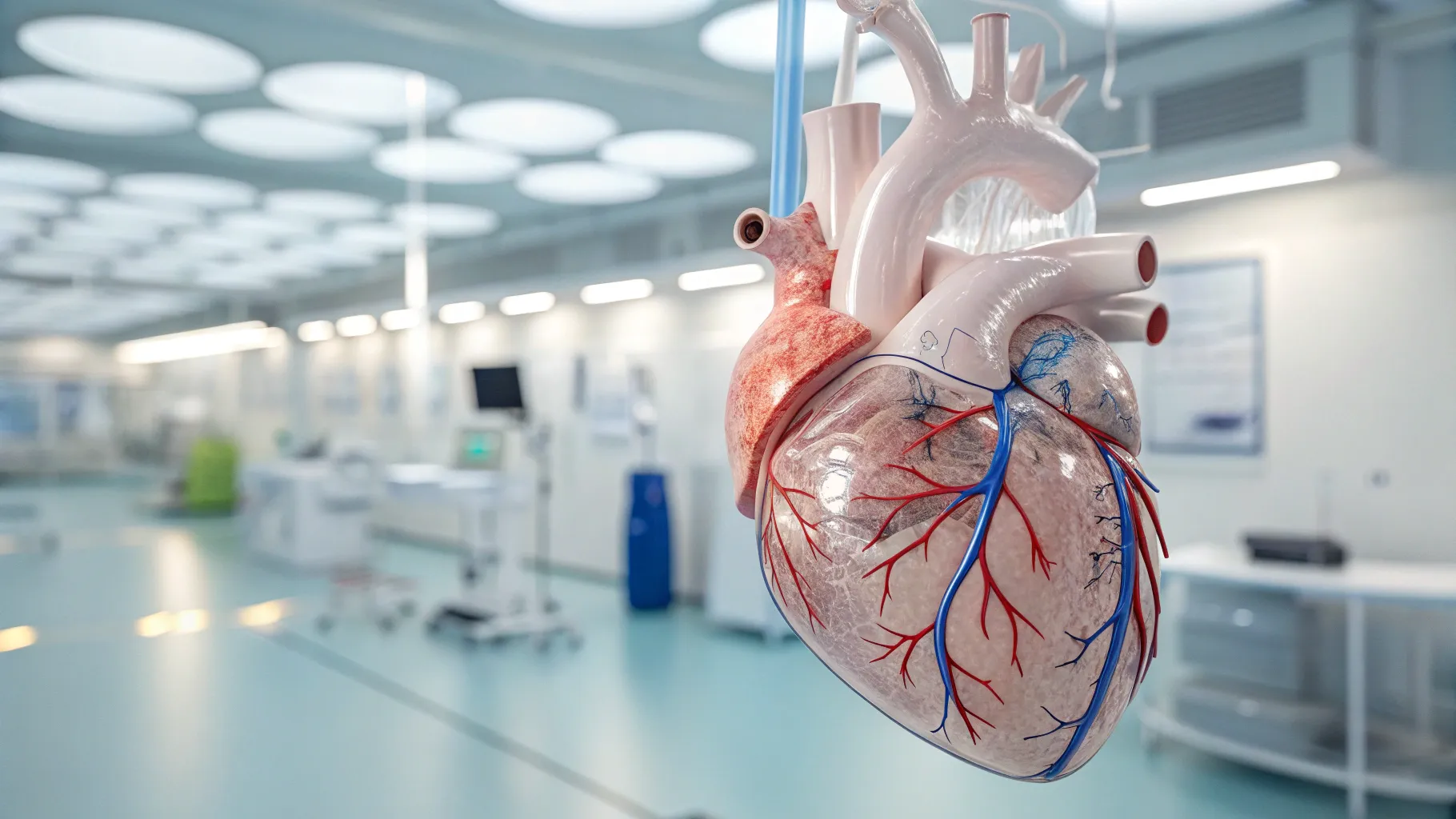
The human heart is a remarkable organ, and its four valves play a critical role in ensuring efficient blood circulation. When these valves don't function correctly, it can lead to various medical conditions collectively known as Heart Valve Disorders and Treatment becomes crucial for maintaining cardiac health. This guide aims to provide a comprehensive understanding of these conditions, from their causes and symptoms to the latest diagnostic techniques and advanced therapeutic approaches available today, ensuring a holistic perspective on managing heart valve health.
Types of Heart Valve Disorders
Heart Valve Disorders and Treatment strategies depend heavily on the specific type of valve dysfunction. The two primary categories of heart valve disorders are stenosis and regurgitation. Stenosis occurs when a heart valve does not open properly, restricting blood flow. This narrowing can put extra strain on the heart, leading to symptoms like shortness of breath and fatigue. Conversely, regurgitation, also known as insufficiency or a leaky valve, happens when a valve does not close completely, causing blood to flow backward into the heart chamber. Both conditions can significantly impair the heart's efficiency and overall function, necessitating careful diagnosis and tailored Heart Valve Disorders and Treatment plans. Understanding these distinct types is the first step towards effective management and improved patient outcomes.
Aortic Stenosis: Narrowing of the Aortic Valve
Aortic stenosis is a common and serious form of Heart Valve Disorders and Treatment challenges, characterized by the narrowing of the aortic valve, which controls blood flow from the heart's left ventricle to the aorta. This narrowing forces the heart to work harder to pump blood, often leading to symptoms such as chest pain, dizziness, and fainting. Without appropriate Heart Valve Disorders and Treatment, it can progress to heart failure. Causes often include age-related calcification, congenital valve defects, or rheumatic fever. Accurate diagnosis, often via echocardiography, is crucial for timely intervention.
Mitral Regurgitation: Leaky Mitral Valve
Mitral regurgitation is another prevalent condition among Heart Valve Disorders and Treatment considerations, where the mitral valve between the left atrium and left ventricle fails to close completely. This allows blood to leak backward into the left atrium during systole, increasing the volume of blood the heart must pump with each beat. Symptoms can range from mild fatigue and shortness of breath to heart palpitations and swelling in the legs. Causes vary from mitral valve prolapse and heart attacks to infections or congenital abnormalities. Effective Heart Valve Disorders and Treatment aims to reduce the backflow and alleviate strain on the heart, improving overall cardiac function.
Tricuspid and Pulmonic Valve Issues
While less common than aortic and mitral valve issues, problems with the tricuspid and pulmonic valves also constitute significant Heart Valve Disorders and Treatment areas. Tricuspid valve disorders typically involve regurgitation, allowing blood to leak back into the right atrium, often linked to conditions that cause high pressure in the right side of the heart, such as severe lung disease. Pulmonic valve disorders, though rare, can involve stenosis or regurgitation, affecting blood flow from the right ventricle to the lungs. These conditions, while sometimes asymptomatic in early stages, can lead to right-sided heart failure if left untreated. Specialized diagnostic techniques and individualized Heart Valve Disorders and Treatment approaches are essential for managing these less frequent but equally important valve diseases.
Diagnosing Heart Valve Conditions
Accurate diagnosis is paramount for effective Heart Valve Disorders and Treatment. The diagnostic process typically begins with a thorough physical examination, during which a doctor may detect a heart murmur, a characteristic sound indicating turbulent blood flow through a damaged valve. Further investigations include an electrocardiogram (ECG), which assesses the heart's electrical activity, and a chest X-ray, which can reveal heart enlargement or fluid in the lungs. The most definitive diagnostic tool for Heart Valve Disorders and Treatment assessment is echocardiography, an ultrasound of the heart that provides detailed images of the valves' structure and function, allowing cardiologists to visualize blood flow and assess the severity of any stenosis or regurgitation. In some cases, cardiac MRI or CT scans may be used for more detailed anatomical information, and a cardiac catheterization might be performed to measure pressures within the heart chambers and evaluate coronary arteries, all contributing to a precise understanding required for optimal Heart Valve Disorders and Treatment planning.
Evolving Treatment Options for Heart Valve Disorders
The landscape of Heart Valve Disorders and Treatment has seen remarkable advancements, offering patients a wider array of options than ever before. Initially, medical management played a significant role in symptom control, but with the progression of disease, interventions often become necessary. Modern approaches combine pharmacological therapies with innovative surgical and minimally invasive procedures. The decision for the most appropriate Heart Valve Disorders and Treatment is highly individualized, considering factors such as the patient's age, overall health, the specific valve affected, and the severity of the disorder. This evolution ensures that patients receive the most effective and least intrusive care possible, continually improving outcomes and quality of life for those living with heart valve conditions.
Medical Management and Lifestyle Changes
For many individuals with mild to moderate Heart Valve Disorders and Treatment often begins with medical management and significant lifestyle adjustments. Medications like diuretics can help reduce fluid buildup and alleviate swelling, while vasodilators may lessen the heart's workload. Blood thinners are sometimes prescribed to prevent clot formation, particularly in patients with atrial fibrillation or artificial valves. Beyond medication, lifestyle modifications are critical. These include adopting a heart-healthy diet low in sodium and saturated fats, engaging in regular, moderate exercise as advised by a physician, maintaining a healthy weight, and avoiding smoking. These conservative Heart Valve Disorders and Treatment strategies aim to manage symptoms, slow disease progression, and improve the patient's overall quality of life, often delaying the need for more invasive interventions.
Surgical Interventions: Repair vs. Replacement
When medical management is insufficient, surgical interventions become a primary focus for Heart Valve Disorders and Treatment. The two main surgical approaches are valve repair and valve replacement. Valve repair aims to preserve the patient's own valve by correcting the underlying defect, such as tightening a leaky valve with an annuloplasty ring or patching a hole. This approach is often preferred when feasible, as it can reduce the need for lifelong anticoagulant medication. If repair is not possible, valve replacement involves removing the damaged valve and implanting either a mechanical valve or a biological (tissue) valve. Mechanical valves are durable but require lifelong anticoagulation, while biological valves may not last as long but typically avoid the need for long-term blood thinners. The choice between repair and replacement, and the type of replacement valve, is a complex decision made in consultation with the surgical team, carefully balancing the risks and benefits specific to the patient's condition and ensuring the most effective long-term Heart Valve Disorders and Treatment.
Minimally Invasive Procedures: TAVI and MitraClip
Recent innovations have revolutionized Heart Valve Disorders and Treatment with the advent of minimally invasive procedures, offering alternatives to traditional open-heart surgery. Transcatheter Aortic Valve Implantation (TAVI), also known as TAVR (Transcatheter Aortic Valve Replacement), is a groundbreaking procedure for severe aortic stenosis. Instead of opening the chest, a new valve is delivered via a catheter, usually through an artery in the leg, and deployed within the diseased aortic valve. This procedure is particularly beneficial for elderly patients or those with high surgical risk. Similarly, for severe mitral regurgitation, the MitraClip procedure allows for the repair of the mitral valve without open-heart surgery. A small clip is delivered via a catheter and used to reduce the leak in the valve. These minimally invasive Heart Valve Disorders and Treatment options offer faster recovery times, shorter hospital stays, and reduced surgical trauma, making them increasingly viable choices for a broader range of patients.
Comparing Treatment Approaches for Heart Valve Conditions
The choice of Heart Valve Disorders and Treatment approach involves a careful comparison of various factors, including patient age, overall health status, specific valve pathology, and the presence of co-existing medical conditions. Traditional open-heart surgery, while highly effective for both valve repair and replacement, involves a significant incision, cardiopulmonary bypass, and a longer recovery period. It remains the gold standard for many complex cases and younger patients who may benefit from the longevity of certain valve types. In contrast, minimally invasive surgical techniques, using smaller incisions and specialized instruments, offer reduced pain and faster recovery, making them attractive for suitable candidates. Transcatheter interventions, such as TAVI and MitraClip, represent the least invasive options, ideal for high-risk patients who might not tolerate open surgery. These procedures involve delivering new valves or repairing existing ones via catheters, minimizing surgical trauma. While offering quicker recovery, their long-term durability and applicability for all patients are still areas of ongoing research. The decision for the optimal Heart Valve Disorders and Treatment strategy is a multidisciplinary one, involving cardiologists, cardiac surgeons, and the patient, weighing the benefits of durability against invasiveness and recovery time.
Proactive Steps for Heart Valve Health
Regular Medical Check-ups:
Undergo routine physical examinations to monitor your cardiovascular health, which is crucial for early detection of Heart Valve Disorders and Treatment needs.
Maintain a Healthy Lifestyle:
Adopt a balanced diet rich in fruits, vegetables, and lean proteins, and engage in regular physical activity. These habits significantly reduce the risk factors associated with many Heart Valve Disorders and Treatment strategies.
Manage Underlying Conditions:
Effectively control conditions like high blood pressure, high cholesterol, and diabetes, as they can contribute to the development and progression of Heart Valve Disorders and Treatment complexities.
Quit Smoking:
Smoking is a major risk factor for cardiovascular disease. Cessation dramatically improves heart health and can prevent or slow the progression of various Heart Valve Disorders and Treatment related issues.
Recognize Symptoms:
Be aware of common symptoms such as shortness of breath, chest pain, fatigue, or dizziness, and seek prompt medical attention if they arise. Early diagnosis is key to effective Heart Valve Disorders and Treatment.
Frequently Asked Questions
What are the early signs of Heart Valve Disorders and Treatment considerations?
Early signs can be subtle, including shortness of breath, fatigue, chest pain, or a heart murmur detected during a routine check-up. Recognizing these early indicators is crucial for timely diagnosis and effective Heart Valve Disorders and Treatment planning. Swelling in the ankles or feet, dizziness, and heart palpitations are also potential symptoms that warrant medical evaluation.
Can Heart Valve Disorders and Treatment be managed without surgery?
Yes, depending on the severity and type of the disorder, some Heart Valve Disorders and Treatment can be managed with medication to control symptoms, lifestyle changes, and regular monitoring. For mild to moderate conditions, physicians often opt for a conservative approach to manage symptoms and slow progression. However, more severe cases often require surgical intervention or minimally invasive procedures to correct the valve dysfunction and prevent irreversible damage to the heart.
What causes Heart Valve Disorders and Treatment needs to arise?
Heart Valve Disorders and Treatment needs can arise from various causes, including congenital defects present at birth, age-related wear and tear leading to calcification, rheumatic fever, infections like endocarditis, and other conditions such as heart attacks or connective tissue diseases. Understanding the specific cause helps guide the most appropriate and effective treatment strategy for each patient.
References
- American Heart Association Guidelines on Valvular Heart Disease.
- European Society of Cardiology Recommendations for Valvular Heart Disease Management.
- National Institutes of Health research on cardiovascular health.
- Clinical studies on transcatheter valve interventions.