
Understanding Liver Cirrhosis: Causes, Symptoms, Diagnosis, and Comprehensive Management
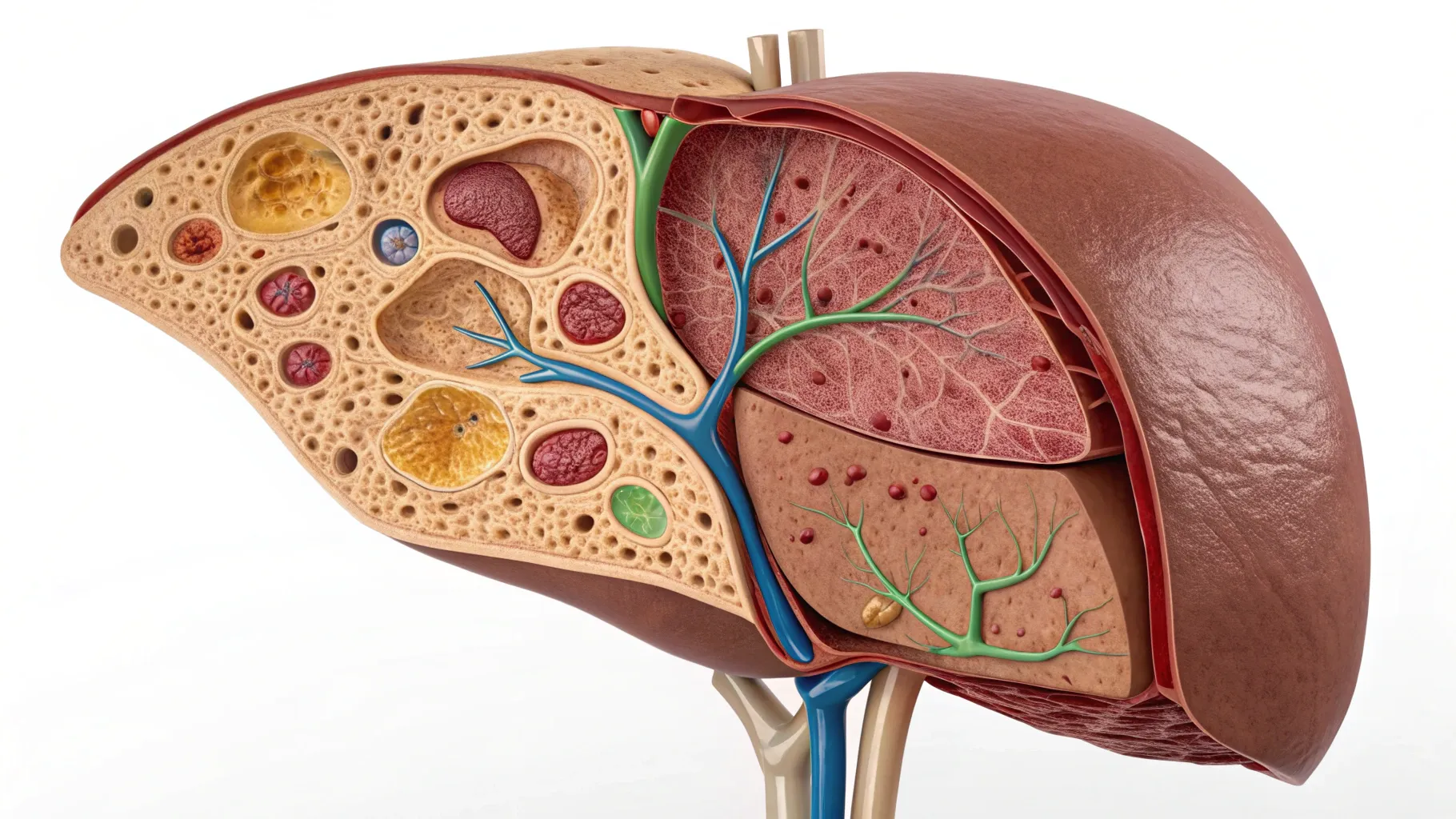
Liver cirrhosis is a serious, progressive condition where healthy liver tissue is replaced by scar tissue, permanently damaging the liver and preventing it from functioning properly. Understanding what is liver cirrhosis is crucial for early detection and effective management. This scarring, often a result of long-term liver damage and cirrhosis, can lead to severe health issues and, if left untreated, can be life-threatening.
What Causes Liver Cirrhosis?
The development of cirrhosis is often gradual, stemming from various forms of chronic liver injury. Recognizing the causes of liver cirrhosis is essential for prevention and targeted treatment strategies.
- Chronic Viral Hepatitis: Hepatitis B and C are leading contributors worldwide.
- Alcoholic Liver Disease: Excessive alcohol consumption over many years can lead to inflammation and scarring.
- Non-Alcoholic Fatty Liver Disease (NAFLD) / Non-Alcoholic Steatohepatitis (NASH): This condition, linked to obesity, type 2 diabetes, and metabolic syndrome, is an increasingly common cause.
- Autoimmune Hepatitis: The body's immune system attacks liver cells.
- Bile Duct Diseases: Conditions like primary biliary cholangitis (PBC) and primary sclerosing cholangitis (PSC) obstruct bile flow.
- Genetic Disorders: Hemochromatosis (iron overload) and Wilson's disease (copper overload) can damage the liver.
- Certain Medications: Long-term use of some drugs can lead to liver damage.
Recognizing Symptoms and Early Signs of Liver Cirrhosis
Initially, cirrhosis may present with no or only mild, non-specific symptoms. However, as the disease progresses, the symptoms of liver cirrhosis become more pronounced. Identifying the early signs of liver cirrhosis can lead to prompt medical intervention.
Common Symptoms Include:
- Fatigue and weakness
- Nausea and loss of appetite
- Unexplained weight loss
- Jaundice (yellowing of the skin and eyes)
- Itchy skin
- Dark urine
- Swelling in the legs, ankles, and feet (edema)
- Fluid accumulation in the abdomen (ascites)
- Easy bruising or bleeding
- Confusion, difficulty thinking, or memory problems (hepatic encephalopathy)
Many of these early signs of liver cirrhosis can be subtle, emphasizing the importance of regular medical check-ups, especially for individuals with risk factors.
Stages of Liver Cirrhosis and Diagnosis
Cirrhosis progresses through different phases, categorized as compensated and decompensated. Understanding the stages of liver cirrhosis helps in prognostic assessment and treatment planning. Compensated cirrhosis means the liver can still perform most of its functions despite scarring, often with few symptoms. Decompensated cirrhosis indicates severe liver damage and the onset of serious complications.
Liver cirrhosis diagnosis involves a comprehensive approach:
- Blood Tests: To assess liver function, detect viral infections, and check for specific antibodies.
- Imaging Studies: Ultrasound, CT scans, and MRI can visualize liver size, shape, and detect ascites or tumors.
- Transient Elastography (FibroScan): A non-invasive test to measure liver stiffness, indicating the degree of scarring.
- Liver Biopsy: The gold standard for confirming cirrhosis and determining its cause and severity, though less commonly performed now with advanced non-invasive methods.
Managing Liver Cirrhosis and Complications
Once cirrhosis is diagnosed, the focus shifts to preventing further liver damage, managing symptoms, and addressing liver cirrhosis complications. While the scarring itself cannot be reversed, progression can often be slowed, and in some cases, symptoms can improve significantly.
Common Complications:
- Portal hypertension (increased pressure in the portal vein)
- Esophageal varices (enlarged veins in the esophagus prone to bleeding)
- Hepatic encephalopathy
- Kidney failure (hepatorenal syndrome)
- Liver cancer (hepatocellular carcinoma)
- Increased risk of infections
The question, can liver cirrhosis be managed, has a positive answer, though it requires diligent medical care. Treatment plans are highly individualized, depending on the underlying cause and severity of the cirrhosis.
Comprehensive Care and Support for Liver Cirrhosis
Effective management of liver cirrhosis requires a multidisciplinary approach. Consulting a liver cirrhosis specialist, typically a hepatologist, is vital. These specialists work within a dedicated liver disease clinic, offering expert guidance and advanced treatment options. A comprehensive hepatology consultation will involve assessing your condition, discussing lifestyle modifications, and prescribing appropriate medications to manage symptoms and prevent complications.
For advanced cases, liver transplant and cirrhosis might be the most viable solution. A liver transplant replaces the diseased liver with a healthy donor liver, offering a chance at a new life. This is a complex procedure, and eligibility is determined through rigorous evaluation. Beyond medical interventions, liver cirrhosis care options also include nutritional counseling, avoidance of alcohol and certain medications, and regular monitoring for complications. Support groups and patient education are also crucial components of holistic care, empowering individuals to actively participate in their health journey.
References:
https://www.niddk.nih.gov/health-information/liver-disease/cirrhosis
https://www.mayoclinic.org/diseases-conditions/cirrhosis/symptoms-causes/syc-20351487
https://www.who.int/news-room/fact-sheets/detail/liver-disease