
Understanding NHS Diabetes Screening Programs: Your Guide to Type 2 Diabetes Prevention
Facts:
- Early detection is crucial for managing diabetes effectively.
- The prevalence of Type 2 diabetes continues to rise significantly for adults in England.
Navigating the NHS Diabetes Screening Landscape for Type 2 Diabetes Prevention
Understanding the array of NHS diabetes screening programs available through NHS England is a vital step towards proactive health management and effective Type 2 diabetes prevention. These comprehensive initiatives are designed to identify individuals at risk or those already showing early signs of diabetes, ensuring timely intervention and support. With a focus on early detection, these programs play a critical role in mitigating the long-term health complications associated with diabetes, empowering individuals to take control of their well-being.
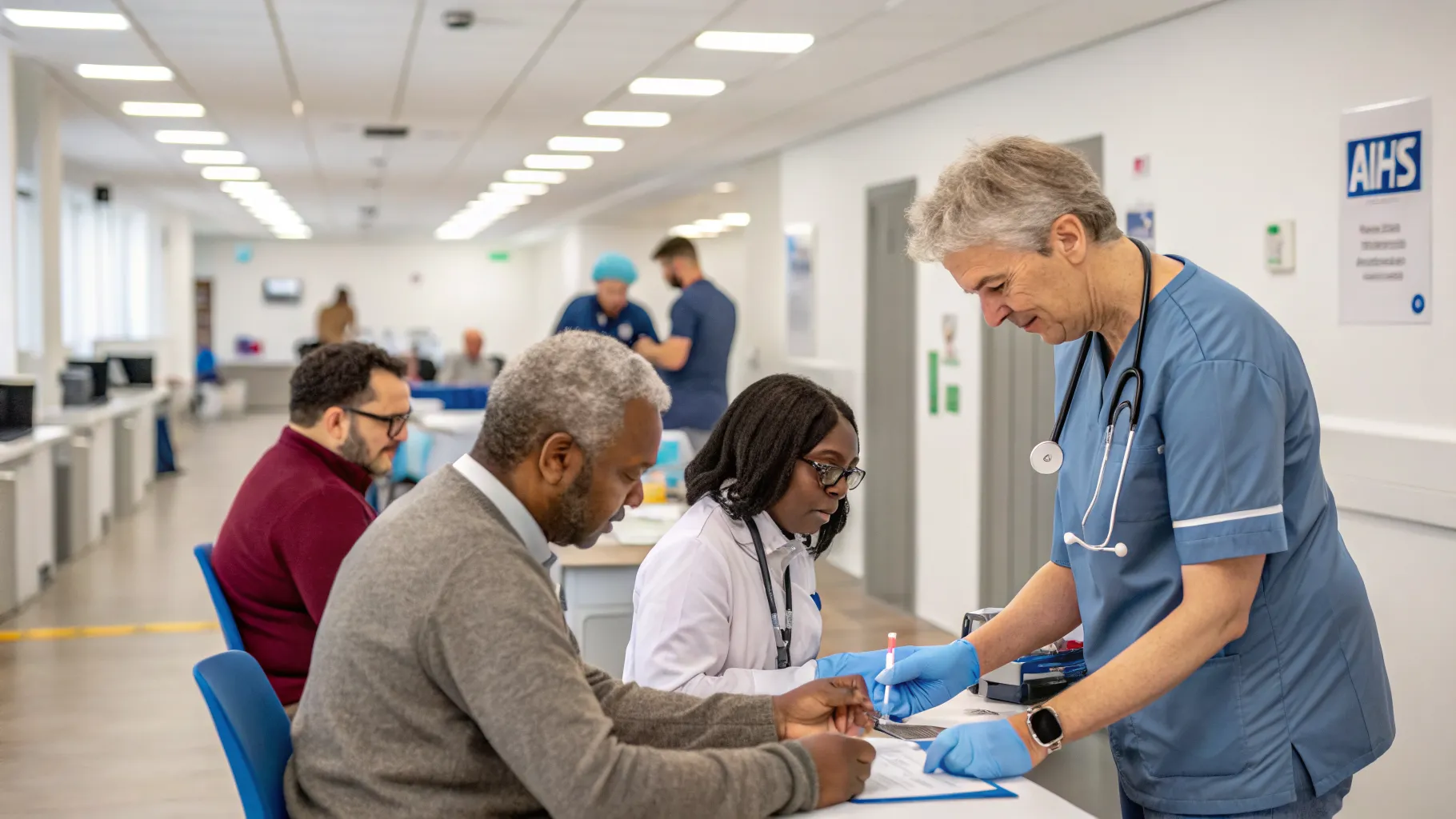
Comprehensive NHS Diabetes Screening Initiatives
NHS England offers a multi-faceted approach to diabetes screening programs available through NHS England, targeting different stages of risk and existing conditions. These programs are meticulously designed to reach broad segments of the population, ensuring that individuals at various risk levels can access appropriate checks. From initial risk assessments to more specific diagnostic tests, the NHS framework aims for early identification, which is paramount for effective disease management and reducing the burden of diabetes-related complications. Each program is underpinned by clinical guidelines, ensuring consistency and effectiveness across the nation.
The NHS Health Check: Your First Line of Defense
The NHS Health Check is a crucial component of Type 2 diabetes prevention, offered to individuals aged 40-74 without a pre-existing condition such as heart disease, stroke, diabetes, or kidney disease. This free check assesses your risk of developing heart disease, stroke, kidney disease, dementia, and diabetes. During the check, healthcare professionals will measure your cholesterol levels, blood pressure, weight, height, and body mass index (BMI). They will also ask about your family history and lifestyle choices, such as diet and exercise habits. Based on these findings, a personalized health plan is developed, which may include advice on lifestyle changes, or, if necessary, referral for further investigation, including more specific diabetes risk assessment. The goal is to empower individuals with knowledge about their health risks and provide the tools to make informed decisions for a healthier future, effectively reducing the chances of developing chronic conditions like Type 2 diabetes.
Prediabetes and the NHS Diabetes Prevention Programme (NDPP)
For individuals identified as having prediabetes – a condition where blood sugar levels are higher than normal but not yet high enough to be classified as Type 2 diabetes – the NHS Diabetes Prevention Programme (NDPP) is a cornerstone of prevention. This evidence-based program offers personalized support for people at high risk of developing Type 2 diabetes. Participants engage in structured lifestyle change programs, typically delivered over several months, focusing on healthy eating, increased physical activity, and weight management. The program is delivered by trained professionals and aims to help individuals reduce their risk of developing full-blown Type 2 diabetes by making sustainable changes to their daily lives. Referrals to the NDPP are often made following an NHS Health Check or other diabetes screening programs available through NHS England where elevated blood sugar levels have been detected, highlighting the integrated nature of these preventive services.
Diabetic Eye Screening (Retinal Screening)
For those already diagnosed with diabetes, regular retinal screening is a critical part of ongoing care to prevent sight loss. Diabetes can damage the small blood vessels in the retina, the light-sensitive layer at the back of the eye, a condition known as diabetic retinopathy. If left undetected and untreated, this can lead to permanent vision loss. The NHS Diabetic Eye Screening Programme offers annual screening appointments to all people with diabetes aged 12 and over. During the appointment, photographs of the retina are taken, which are then expertly reviewed to detect any signs of damage. Early detection of diabetic retinopathy allows for timely treatment, which can significantly reduce the risk of severe vision impairment. This specialized screening underscores the comprehensive nature of NHS diabetes screening efforts, extending beyond prevention to include vital management and complication avoidance for those living with the condition.
Understanding Your Diabetes Risk Assessment and Taking Action
A key aspect of effective diabetes screening programs available through NHS England involves understanding one's personal risk profile. Various factors contribute to an individual's likelihood of developing Type 2 diabetes, including age, ethnicity, family history, weight, and lifestyle choices. Tools like the 'Know Your Risk' online assessment, often promoted by the NHS and Diabetes UK, allow individuals to quickly evaluate their risk level. These tools ask a series of simple questions and provide an immediate assessment, along with recommendations for next steps, such as booking an NHS Health Check or discussing concerns with a GP. Being aware of your own diabetes risk assessment is the first proactive step towards prevention. Regular dialogue with your healthcare provider about your risk factors and any emerging symptoms, such as increased thirst, frequent urination, or unexplained weight loss, is crucial. Early engagement with screening services can lead to early diagnosis and intervention, dramatically improving long-term health outcomes and preventing serious complications.
Actionable Steps for Diabetes Prevention and Management
- Book Your NHS Health Check: If you're aged 40-74 and haven't had one in the last five years, proactively contact your GP to schedule an NHS Health Check. This free assessment is your gateway to understanding your overall health and identifying potential risks, including for Type 2 diabetes prevention.
- Embrace a Healthy Lifestyle: Focus on a balanced diet rich in fruits, vegetables, and whole grains, while limiting processed foods, sugary drinks, and unhealthy fats. Combine this with regular physical activity, aiming for at least 150 minutes of moderate-intensity exercise per week. These lifestyle changes are powerful tools in reducing your diabetes risk assessment.
- Know Your Family History: Discuss your family's medical history with your relatives to understand any genetic predispositions to diabetes. This knowledge can help you and your doctor tailor your screening and prevention strategies more effectively, especially if there's a history of Type 2 diabetes.
- Monitor Your Weight: Maintaining a healthy weight is one of the most significant factors in preventing Type 2 diabetes. If you are overweight or obese, even a modest weight loss can significantly reduce your risk. Seek support from your GP or local weight management services offered by NHS diabetes screening initiatives.
- Attend Regular Screenings: If you have prediabetes or a diabetes diagnosis, ensure you attend all recommended appointments, including retinal screening and other follow-up checks. Adherence to these schedules is vital for managing the condition and preventing complications.
Frequently Asked Questions
Who is eligible for NHS diabetes screening programs?
Eligibility for NHS diabetes screening varies by program. The NHS Health Check is for individuals aged 40-74 without pre-existing conditions. The NHS Diabetes Prevention Programme (NDPP) is for those identified with prediabetes. Diabetic eye screening is for all individuals aged 12 and over diagnosed with diabetes.
What happens if my diabetes risk assessment is high?
If your diabetes risk assessment is high, your GP or healthcare professional will discuss personalized steps. This may include lifestyle advice, referral to the NHS Diabetes Prevention Programme, or further diagnostic tests to confirm a diagnosis. The goal is always to intervene early to prevent or manage Type 2 diabetes.
How often should I have a retinal screening if I have diabetes?
Individuals with diabetes aged 12 and over are typically invited for annual retinal screening as part of the NHS Diabetic Eye Screening Programme. Regular screening is essential to detect and treat diabetic retinopathy early, thereby preserving vision.
References
- NHS England official guidelines on diabetes prevention and management.
- Public Health England data on diabetes prevalence and risk factors.
- Information from Diabetes UK regarding Type 2 diabetes prevention strategies.