
Navigating Emotions: A Guide to Understanding Online Anger Management Tests
Fast Facts:
- Assess Your Triggers: Quickly identify personal patterns and triggers for anger.
- Online mental health tools offer accessible and private first steps for self-assessment.
Decoding Your Emotional Responses: What These Tests Reveal
In a world of constant pressure, managing our emotional responses is more crucial than ever. For many, intense feelings of anger can be overwhelming and disruptive. This is where the value of understanding online anger management tests comes into play. These digital tools are designed as preliminary screening instruments to help individuals gain objective insight into their emotional patterns, the intensity of their anger, and how it impacts their daily lives. They are not a substitute for a professional diagnosis, but they serve as a confidential and accessible starting point for self-awareness and can empower you to seek the right kind of help.
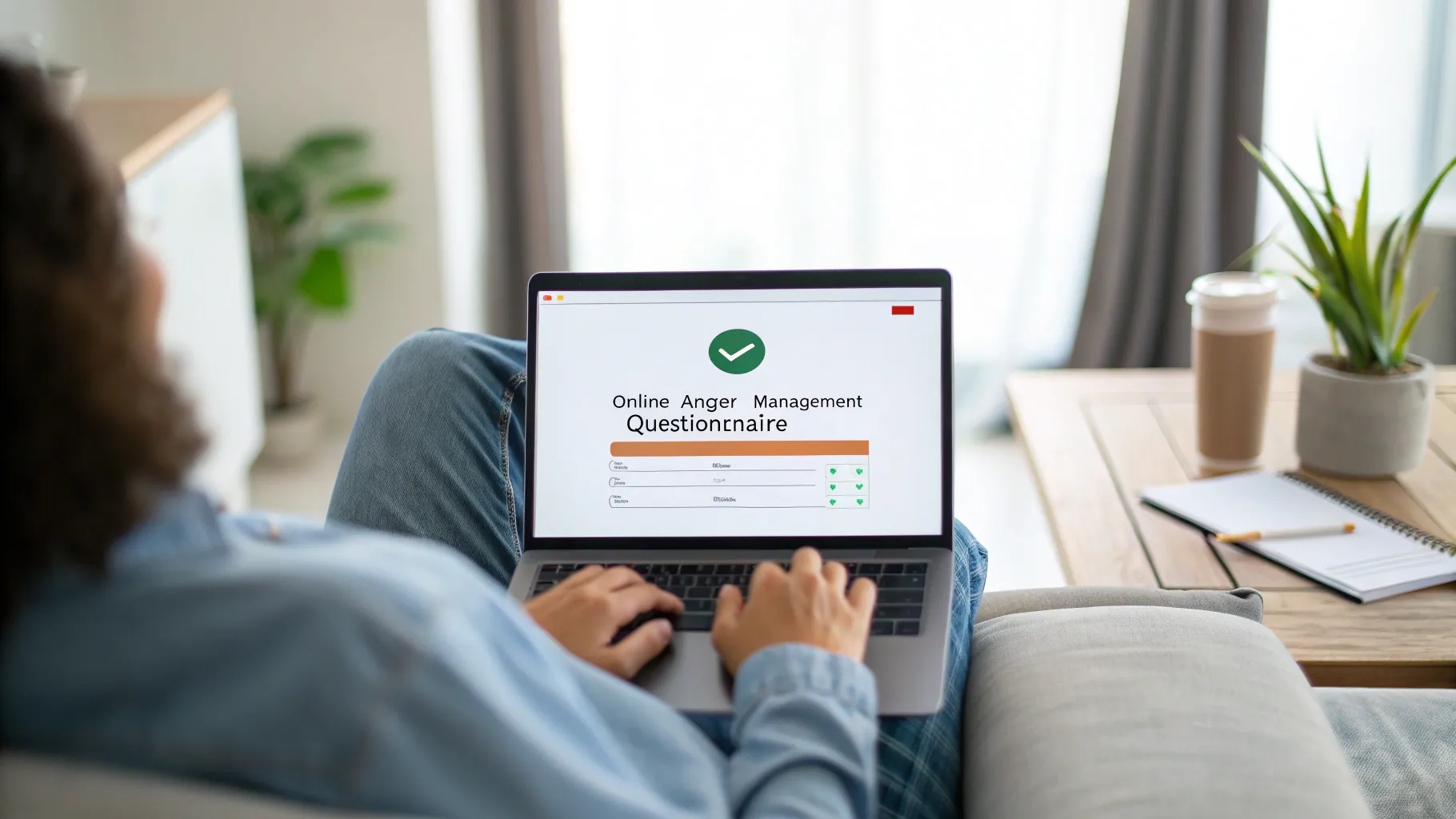
How Do These Digital Assessments Function?
Most online anger management tests operate through a series of carefully crafted questions. These typically involve self-reporting on a scale, multiple-choice scenarios, and true/false statements. The questions are designed to evaluate several dimensions of anger, including its frequency, duration, intensity, and the types of situations that trigger it. The underlying mechanism is rooted in psychological principles, often mirroring established inventories used in clinical settings. By analyzing your responses, the test generates a report that can highlight potential problem areas and provide a clearer picture of your behavioral tendencies when faced with frustration or conflict.
What Key Areas Do Anger Evaluations Measure?
A comprehensive test doesn't just ask 'Do you get angry?'. It delves deeper into the specifics of your emotional experience. Key areas of assessment typically include: the cognitive component (hostile thoughts or beliefs), the emotional component (the intensity of angry feelings), and the behavioral component (how you express anger, such as aggression, shouting, or withdrawal). Furthermore, these evaluations often explore the consequences of your anger on your relationships, career, and overall well-being. This multifaceted approach is essential for a holistic understanding, moving beyond a simple label to a nuanced profile of your emotional state.
From Insight to Action: Your Next Steps After the Test
Receiving your results is just the beginning. The real value lies in using this newfound information to make positive changes. Here is some actionable advice to guide you after completing an assessment:
- Discuss Results with a Professional: Share your test report with a therapist or counselor. They can help interpret the findings in the context of your life and rule out underlying conditions.
- Identify Specific Coping Strategies: Use the test results to pinpoint your main triggers. This allows you to develop targeted coping mechanisms, such as deep-breathing exercises or cognitive reframing techniques.
- Explore Further Resources: Look into anger management courses, support groups, or therapy programs. Many online platforms offer structured resources that build upon the initial assessment.
- Track Your Progress: Use journaling or apps to monitor your emotional responses over time. This helps you recognize patterns and see the effectiveness of the strategies you are implementing.
Frequently Asked Questions
Are online anger management tests accurate?
They should be considered screening tools, not definitive diagnoses. Their accuracy depends on the quality of the test and your honesty in answering. Reputable tests, often based on clinical standards, can provide highly valuable insights and a reliable starting point for self-reflection.
Is my privacy protected when taking an online test?
Always choose tests from reputable mental health organizations or clinical websites. Read their privacy policy before you begin. Legitimate platforms will anonymize data and will not share your personal information without consent.
References
- American Psychological Association - 'Controlling Anger Before It Controls You'
- National Institute of Mental Health - 'Mental Health Information & Resources'