
Understanding Online Anger Management Tests: A Comprehensive Guide
Facts:
- Online tests offer immediate and confidential results.
- The use of digital self-assessment tools for mental health is a significant growing trend.
Decoding Your Reactions: The Core of Online Anger Management Tests
In our fast-paced digital world, finding accessible tools for self-assessment has become crucial for personal development and mental well-being. The process of understanding online anger management tests is the first step for many individuals seeking to gain insight into their emotional responses. These digital instruments are designed to help you identify patterns, triggers, and the intensity of your anger. Unlike traditional methods, they offer privacy, convenience, and immediate feedback, making the initial exploration of anger issues less daunting. A key component of understanding online anger management tests is recognizing that they serve as a preliminary screening tool, not a formal diagnosis, but they provide invaluable data to help you comprehend your emotional landscape better and decide on the next steps towards managing your reactions effectively.
What to Expect: The Common Formats of Anger Assessments
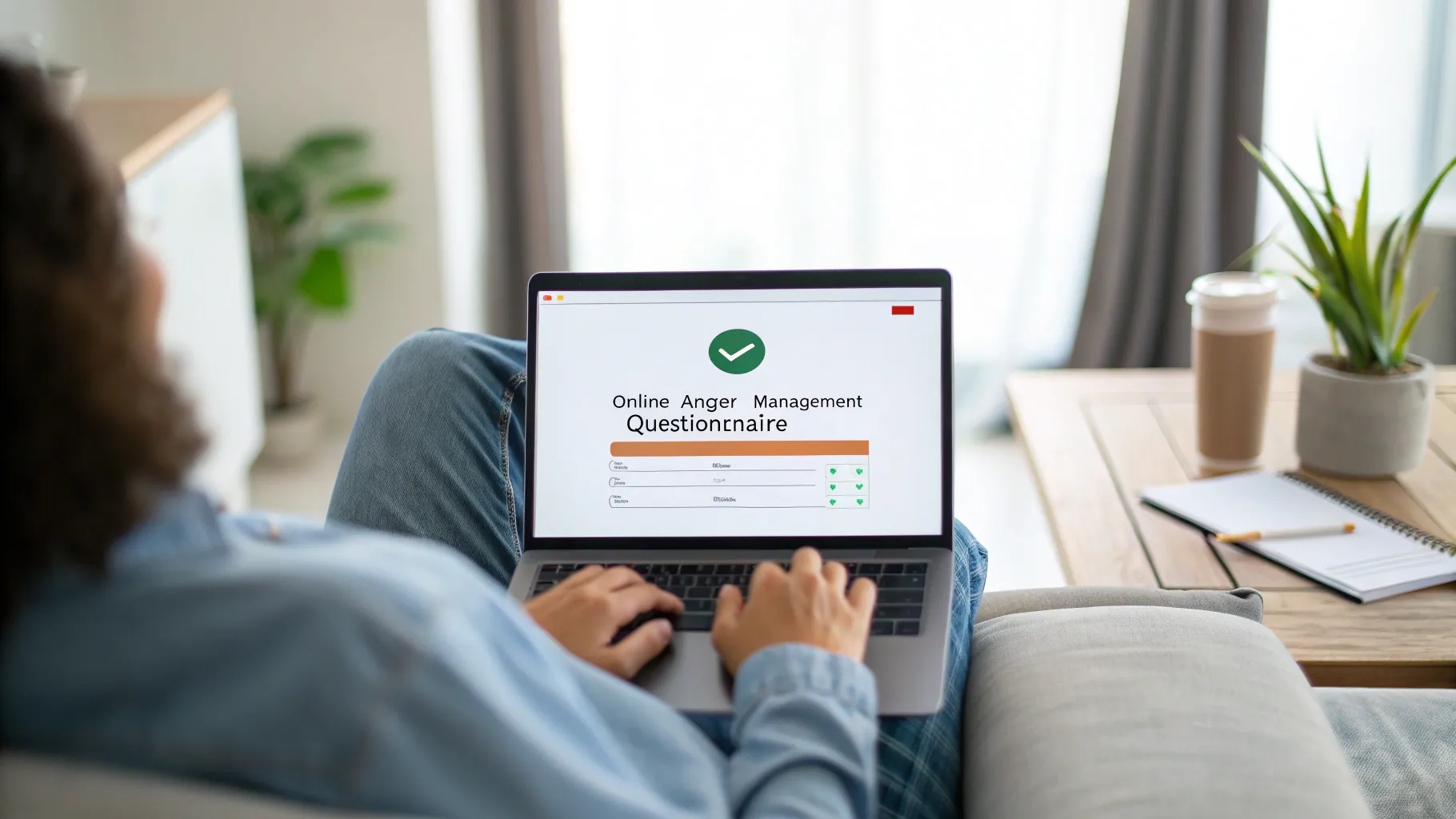
When you embark on the journey of understanding online anger management tests, you will encounter several different formats, each designed to evaluate various facets of anger. The most common type is the multiple-choice questionnaire, which often uses a Likert scale where you rate how strongly you agree or disagree with a statement about your feelings or behaviors. Another popular format is scenario-based testing. These present you with hypothetical situations that could provoke anger and ask you to select your most likely reaction. This method is excellent for assessing behavioral responses in context. Self-reporting inventories, such as the State-Trait Anger Expression Inventory (STAXI-2), are more clinical in nature and measure different dimensions of anger, including its frequency, intensity, and how it is expressed—either outwardly, inwardly, or controlled. A complete approach to understanding online anger management tests involves being aware of these formats, as each provides a unique lens through which to view your emotional patterns.
The Benefits and Limitations of Digital Anger Evaluation
Engaging with digital tools for self-help comes with a distinct set of advantages and disadvantages. A critical part of understanding online anger management tests is to weigh these factors carefully.
The Primary Benefits
The most significant advantages are accessibility and anonymity. You can take these tests from the comfort of your home at any time, removing barriers like scheduling or travel. This privacy encourages honesty, as individuals may feel more comfortable disclosing their true feelings without fear of judgment. Furthermore, they are often free or low-cost, making them a financially viable first step. The instant results provide immediate food for thought, which can be a powerful motivator for change. For many, the process of understanding online anger management tests is empowering, giving them a structured way to begin tackling a complex emotion.
Potential Limitations to Consider
Conversely, it's vital to acknowledge the limitations. These tests lack the nuance of a professional evaluation conducted by a therapist. They cannot account for body language, tone of voice, or the complex personal history that a mental health professional would consider. The self-reporting nature means results are subjective and can be influenced by your current mood or lack of self-awareness. Therefore, understanding online anger management tests must include the knowledge that they are a starting point, not a definitive diagnostic tool. They cannot replace a comprehensive assessment or the therapeutic relationship built with a qualified counselor.
Choosing the Right Tool: A Guide to Selecting a Reliable Test
With a multitude of options available, selecting a credible test is paramount. The goal of understanding online anger management tests should also involve learning how to identify a trustworthy resource. A poor-quality test can provide misleading information, causing more harm than good. Here are some actionable steps to ensure you choose a reliable assessment:
- Check the Source: Opt for tests developed or endorsed by reputable mental health organizations, universities, or licensed psychologists. Websites associated with academic institutions or established mental health providers are generally more reliable.
- Look for Transparency: A good test will be transparent about its purpose, what it measures, and its limitations. It should clearly state that it is not a substitute for a professional diagnosis. Be wary of sites that make grand claims or promise a quick fix.
- Review the Questions: The questions should be clear, relevant, and comprehensive. A well-designed test will cover various aspects of anger, such as triggers, physical symptoms, cognitive processes, and behavioral responses.
- Protect Your Privacy: Read the privacy policy. Ensure the website does not require excessive personal information and is clear about how your data is used. Your engagement in understanding online anger management tests should not compromise your personal data.
Interpreting Your Results: The Next Steps After the Test
Once you have completed a test, you will receive a score or a summary of your responses. This is a pivotal moment in the process of understanding online anger management tests. Avoid viewing the result as a label. Instead, see it as data—a snapshot of your current emotional state. The results typically categorize your anger levels as low, moderate, or high and may offer insights into your anger expression style. Use this information as a guide for self-reflection. Ask yourself if the results resonate with your experiences. Do they highlight patterns you hadn't noticed before? The most constructive action you can take is to discuss your results with a mental health professional. A therapist can provide context, help you explore the underlying causes of your anger, and develop personalized strategies for managing it effectively. This is the ultimate goal of understanding online anger management tests: to use them as a bridge to meaningful, professional support and lasting change.
Frequently Asked Questions
How accurate is an online anger management test?
The accuracy of an online anger management test varies greatly depending on its design and source. Tests developed by psychologists and based on validated clinical inventories (like the STAXI-2) tend to be more reliable. However, as self-assessment tools, their accuracy is dependent on the user's honesty and self-awareness. The core of understanding online anger management tests is knowing they are best used as a screening tool to identify potential issues, not as a diagnostic instrument.
Is my privacy protected when I am engaged in understanding online anger management tests?
Privacy is a legitimate concern. Reputable websites will have a clear privacy policy outlining how your data is handled. Most high-quality tests are anonymous and do not require you to submit personally identifiable information. Always check the privacy policy before beginning a test to ensure your data is secure and confidential. Part of understanding online anger management tests is being a savvy digital consumer.
Can understanding online anger management tests replace therapy?
Absolutely not. These tests are valuable tools for self-discovery and can be an excellent first step. However, they cannot replace the personalized guidance, therapeutic relationship, and comprehensive treatment plan provided by a licensed mental health professional. The goal of understanding online anger management tests is to use them to inform and supplement, not supplant, professional therapy.
References
- American Psychological Association - Guidelines for Digital Assessments
- Journal of Medical Internet Research - Efficacy of Online Mental Health Tools
- National Institute of Mental Health - Studies on Anger and Emotional Regulation
- Theories of Anger Management and Assessment Techniques