
A Complete Guide to Understanding Online Anxiety Tests
Facts:
- Many online tests are based on the GAD-7 scale.
- A rising trend in self-assessment tools for mental health awareness.
How to Navigate and Interpret Digital Anxiety Assessments
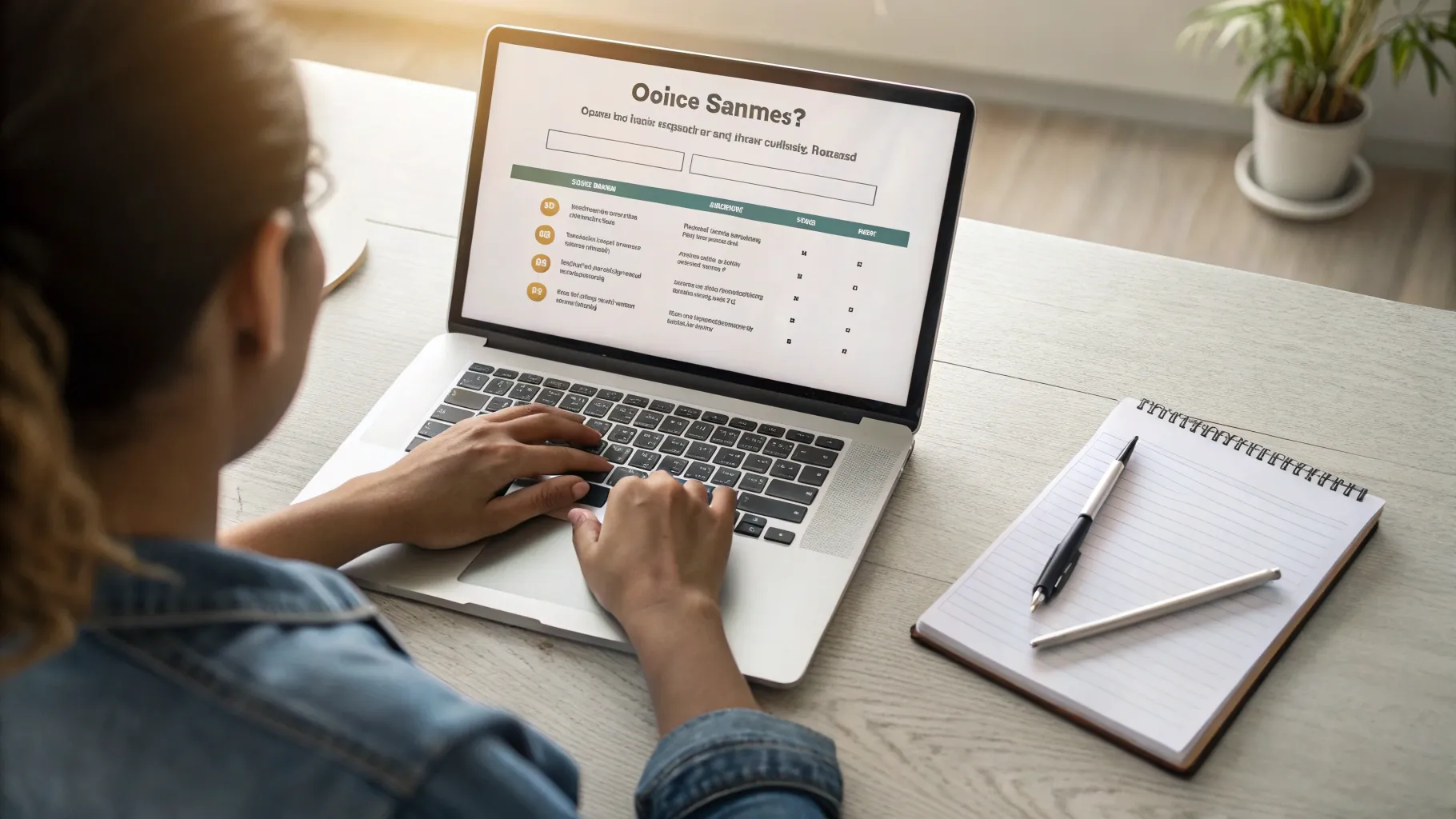
In an increasingly digital world, mental health support is more accessible than ever, largely through tools like online screeners. However, truly understanding online anxiety tests is crucial to using them effectively and safely. These tests are not diagnostic tools but rather preliminary screeners designed to help individuals identify potential symptoms of anxiety. They can serve as a valuable first step, prompting a conversation with a healthcare professional. Proper understanding online anxiety tests involves recognizing their limitations, knowing what they measure, and interpreting the results as a guide rather than a definitive conclusion about one's mental state.
The Science Behind Digital Mental Health Screeners
The foundation of any credible online anxiety test lies in established psychological principles and validated screening questionnaires. Many popular online tests are simplified versions of clinical instruments like the Generalized Anxiety Disorder 7-item (GAD-7) scale, the Beck Anxiety Inventory (BAI), or the Hamilton Anxiety Rating Scale (HAM-A). These tools use a series of questions to quantify the severity of common anxiety symptoms, such as excessive worry, restlessness, and difficulty concentrating. A key component of understanding online anxiety tests is knowing that they work on a scoring system. Each response is assigned a point value, and the total score corresponds to a certain level of symptom severity—mild, moderate, or severe. It is this scoring mechanism that provides a snapshot of one's current state, but it does not capture the full context that a clinical diagnosis requires, which includes personal history, environmental factors, and professional judgment.
Comparing Different Types of Online Anxiety Tests
Not all digital screeners are created equal, and a critical part of understanding online anxiety tests is distinguishing between them. Some tests are broad, designed to screen for general anxiety, while others are specific, focusing on subtypes like social anxiety, panic disorder, or phobias. Reputable tests are often provided by non-profit mental health organizations, universities, or healthcare systems. These versions typically provide information about the scientific basis of their questionnaire. In contrast, many quizzes found on social media or entertainment websites lack scientific validation and should be approached with extreme caution. When choosing a test, look for transparency about its methodology and privacy policy. A good test will clearly state that it is not a substitute for professional medical advice, which is a fundamental aspect of understanding online anxiety tests and using them responsibly.
Common Misconceptions About Online Assessments
One of the most dangerous misconceptions is that an online test can provide a definitive diagnosis. This is false. A diagnosis of an anxiety disorder is a complex process that can only be performed by a qualified healthcare professional, such as a psychiatrist, psychologist, or primary care physician. Another common misunderstanding is that a high score automatically means you have a severe disorder. While a high score indicates the presence of significant symptoms and warrants further investigation, it doesn't account for temporary stressors or other medical conditions that can mimic anxiety symptoms. Therefore, understanding online anxiety tests means viewing the results as a data point for a larger conversation about your well-being, not as a final verdict. It is simply a tool to help you articulate your concerns to a professional.
Actionable Steps After Taking an Online Anxiety Test
Receiving the results from an online screener can be a pivotal moment. The goal is to use this information proactively to support your mental health. Here are some concrete steps you can take, which are essential for anyone seeking to improve their understanding online anxiety tests and their implications:
- Print or Save Your Results: Keep a copy of your results to show a doctor or therapist. This can provide a clear, concise summary of your symptoms and serve as an excellent starting point for a professional consultation.
- Schedule a Professional Evaluation: Regardless of your score, if you have concerns about your mental health, the most important next step is to speak with a healthcare provider. They can conduct a comprehensive evaluation to provide an accurate diagnosis and discuss treatment options.
- Do Not Self-Medicate or Make Drastic Changes: Avoid making significant life decisions or starting any form of self-treatment based solely on the results of an online test. Wait for professional guidance to ensure your next steps are safe and effective.
- Use the Results for Self-Reflection: Think about the patterns the test may have revealed. Are your symptoms worse at certain times? Are there specific triggers? This reflection is a valuable part of understanding online anxiety tests as a component of a broader self-awareness journey.
Frequently Asked Questions
How accurate are the results from online anxiety tests?
The accuracy varies greatly depending on the source. Tests based on clinically validated scales (like the GAD-7) can be reliable screeners for identifying symptoms. However, they are not diagnostically accurate. A core part of understanding online anxiety tests is recognizing they are for informational purposes only and cannot replace a professional diagnosis.
Can an online anxiety test tell me what type of anxiety I have?
Some specialized tests are designed to screen for specific types of anxiety, such as social anxiety or panic disorder. While they can suggest a potential area of concern, a differential diagnosis from a qualified clinician is necessary to determine the specific type of anxiety disorder, if any, is present. A key element of understanding online anxiety tests is knowing their scope and limitations.
What should I do if my online anxiety test results are high?
A high score indicates that you are experiencing significant symptoms of anxiety and should be taken seriously. The recommended course of action is to make an appointment with a healthcare professional, such as a doctor or therapist, to discuss your results and concerns. This is the most responsible step after gaining an initial understanding online anxiety tests gave you.
References
- The GAD-7 Scale: Development and Validation.
- American Psychiatric Association: Diagnostic and Statistical Manual of Mental Disorders (DSM-5).
- National Institute of Mental Health: Anxiety Disorders.
- World Health Organization: Mental Health in the Digital Age.