
Understanding Online Bipolar Disorder Tests: A Complete Guide
Facts:
- Online mental health screeners are not diagnostic tools.
- A growing trend for individuals is using digital tools for initial health inquiries.
Navigating the Digital Maze of Mental Health Screening
In an era where information is just a click away, many people turn to the internet for initial answers about their health, including mental well-being. This has led to a proliferation of digital screening tools, creating a need for a clear guide on understanding online bipolar disorder tests. These tests, often presented as simple questionnaires, promise quick insights into complex mental health conditions. However, it's crucial to approach them with caution and knowledge. They can serve as a valuable first step in encouraging individuals to seek professional help, but they are not a substitute for a comprehensive clinical evaluation by a qualified healthcare provider. This article will delve into what these tests are, their limitations, and the appropriate steps to take after receiving a result.
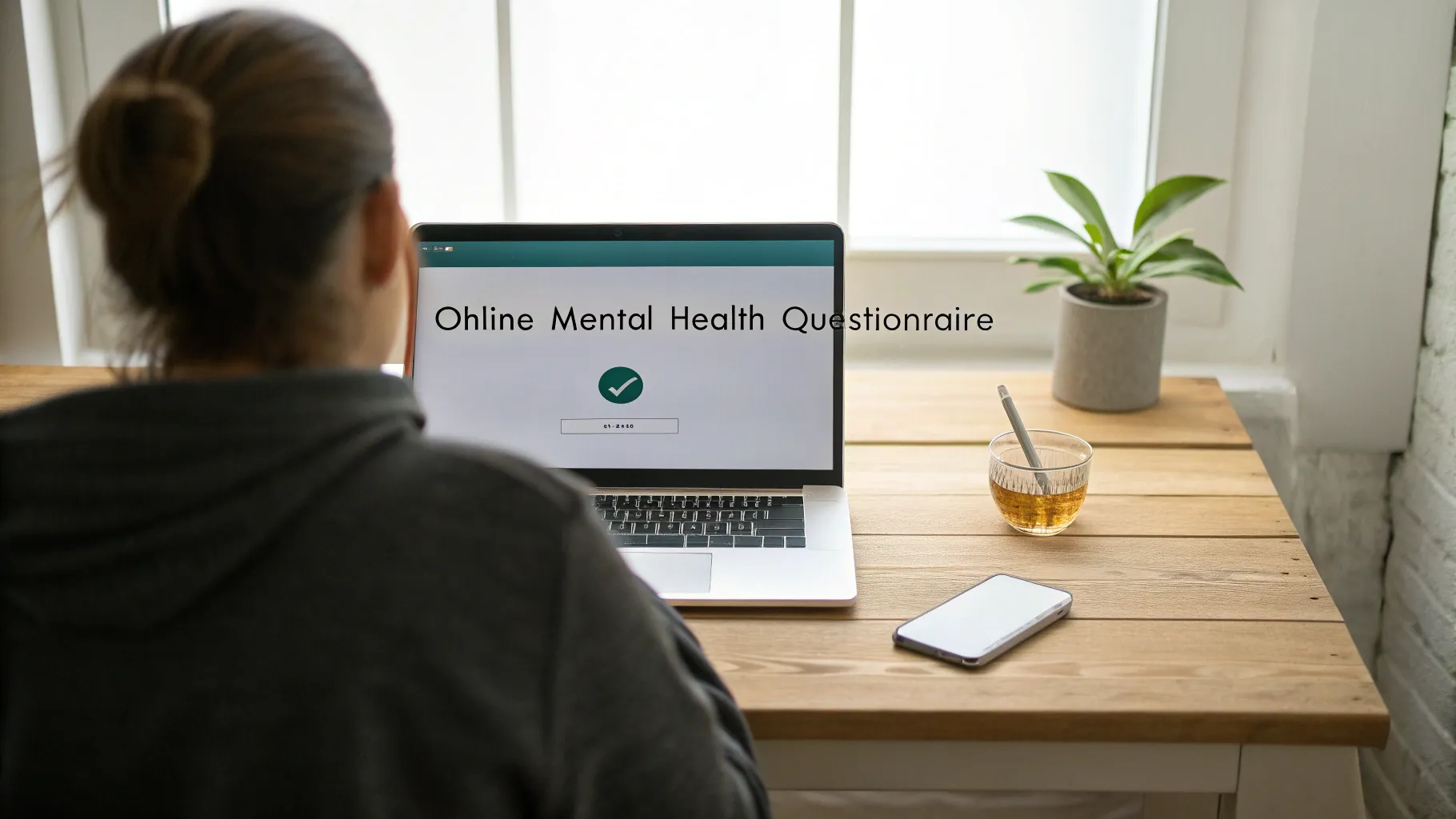
What Are Online Bipolar Disorder Tests and How Do They Work?
Online bipolar disorder tests are typically self-report questionnaires designed to identify symptoms associated with bipolar disorder. They often base their questions on the criteria outlined in the Diagnostic and Statistical Manual of Mental Disorders (DSM-5), screening for episodes of mania, hypomania, and depression. Users answer a series of questions about their moods, energy levels, sleep patterns, and behaviors over a specific period. An algorithm then calculates a score that suggests a low, moderate, or high likelihood of having the condition. The core purpose of these tools is to raise awareness and act as a preliminary screening mechanism. Proper understanding online bipolar disorder tests means recognizing that they are built to detect potential warning signs, not to deliver a formal diagnosis. Their accessibility makes them a popular starting point, but their accuracy can vary significantly from one source to another.
The Critical Difference: Screening vs. Diagnosis
One of the most vital aspects of understanding online bipolar disorder tests is differentiating between screening and diagnosis. A screening tool, like an online test, is designed to quickly assess whether an individual might have a particular condition and should seek further evaluation. Think of it like a smoke detector; it alerts you to the potential presence of fire but doesn't tell you the cause, size, or location of the blaze. A diagnosis, on the other hand, is a thorough, multi-faceted process conducted by a psychiatrist, psychologist, or other licensed mental health professional. It involves a detailed clinical interview, a review of personal and family medical history, and sometimes, physical exams to rule out other conditions. An online test cannot replicate this complex and nuanced evaluation. A positive result from a screening tool is simply an indication that a professional consultation is warranted; it is not a confirmation of illness.
Evaluating the Reliability and Validity of Online Tests
The internet is flooded with quizzes and tests, but not all are created equal. When it comes to mental health, the source matters immensely. A key part of understanding online bipolar disorder tests is learning how to evaluate their credibility. Reputable tests are often developed by mental health organizations, academic institutions, or clinical researchers. They should be transparent about their purpose as a screening tool and explicitly state that they do not provide a diagnosis. Red flags to watch out for include websites that promise a definitive diagnosis, require payment for results, or are not affiliated with a credible health organization. A valid screening tool will often provide context for the results and strongly recommend consultation with a healthcare provider. Always approach these tests with a healthy dose of skepticism and prioritize sources that are evidence-based and professionally endorsed.
Actionable Steps After Taking an Online Test
Receiving a result from an online test, whether it indicates a high or low likelihood of bipolar disorder, can be an emotional experience. It is important to process the information thoughtfully and take measured, constructive steps. The primary goal of these tests is to guide you toward appropriate resources, not to leave you with an unsupported label. Here are some actionable steps to consider:
- Do Not Self-Diagnose or Panic: Remember that the test is not a diagnosis. A high-risk result is an indicator, not a definitive conclusion. Avoid jumping to conclusions or internalizing a label without professional confirmation.
- Consult a Healthcare Professional: This is the most crucial step. Schedule an appointment with a primary care physician, a psychiatrist, or a psychologist. They can conduct a proper evaluation, discuss your symptoms in detail, and provide an accurate diagnosis.
- Compile a Symptom Journal: Before your appointment, start keeping a journal of your moods, energy levels, sleep patterns, and any significant life events. This detailed, first-hand information can be invaluable to a clinician during the diagnostic process.
- Bring the Test Results to Your Doctor: Share the results of the online test with your healthcare provider. It can serve as a useful starting point for a conversation about your concerns and symptoms.
- Seek Information from Credible Sources: Continue your education by reading information from trusted sources like the National Institute of Mental Health (NIMH), the Depression and Bipolar Support Alliance (DBSA), or other established mental health organizations. Better understanding online bipolar disorder tests and the condition itself can empower you to be a more active participant in your healthcare.
Frequently Asked Questions
Are online bipolar disorder tests accurate?
The accuracy of online bipolar disorder tests varies widely. While some may be based on clinical criteria and offer a reasonable preliminary screening, others are not scientifically validated. Their main value lies in encouraging self-reflection and prompting individuals to seek professional help, not in providing an accurate diagnosis. Therefore, understanding online bipolar disorder tests involves seeing them as a first step, not a final answer.
Can I get a diagnosis from an online bipolar disorder test?
No. An online test cannot provide a medical diagnosis. A formal diagnosis of bipolar disorder can only be made by a qualified healthcare professional after a comprehensive clinical evaluation. These online tools are strictly for informational and screening purposes.
What should I do if my online test result suggests a high risk for bipolar disorder?
If you receive a result that indicates a high likelihood of bipolar disorder, it is essential to schedule an appointment with a mental health professional or your primary care physician for a full assessment. Use the result as a catalyst for a conversation, not as a source of alarm or self-diagnosis.
References
- National Institute of Mental Health (NIMH) on Bipolar Disorder Diagnosis.
- Diagnostic and Statistical Manual of Mental Disorders (DSM-5).
- Journal of Medical Internet Research on Digital Screening Tools for Mental Health.
- Depression and Bipolar Support Alliance (DBSA) guidelines.