
Understanding Online Borderline Personality Disorder Tests: A 2025 Guide
Facts:
- Online BPD tests are screeners, not diagnostic tools.
- Interest in mental health self-assessment has grown significantly.
The Allure and Ambiguity of Digital Self-Assessment
In an era where information is instantly accessible, turning to the internet for answers about mental health has become commonplace. The proliferation of digital quizzes has made self-assessment seem simple, but this convenience comes with significant caveats. A critical aspect of navigating this landscape is understanding online borderline personality disorder tests. These tools can offer a preliminary glimpse into certain traits and symptoms, prompting individuals to seek professional help. However, they are far from a substitute for a comprehensive clinical evaluation. True understanding online borderline personality disorder tests involves recognizing their limitations and using them as a starting point for a conversation with a qualified healthcare provider, not as a definitive conclusion.
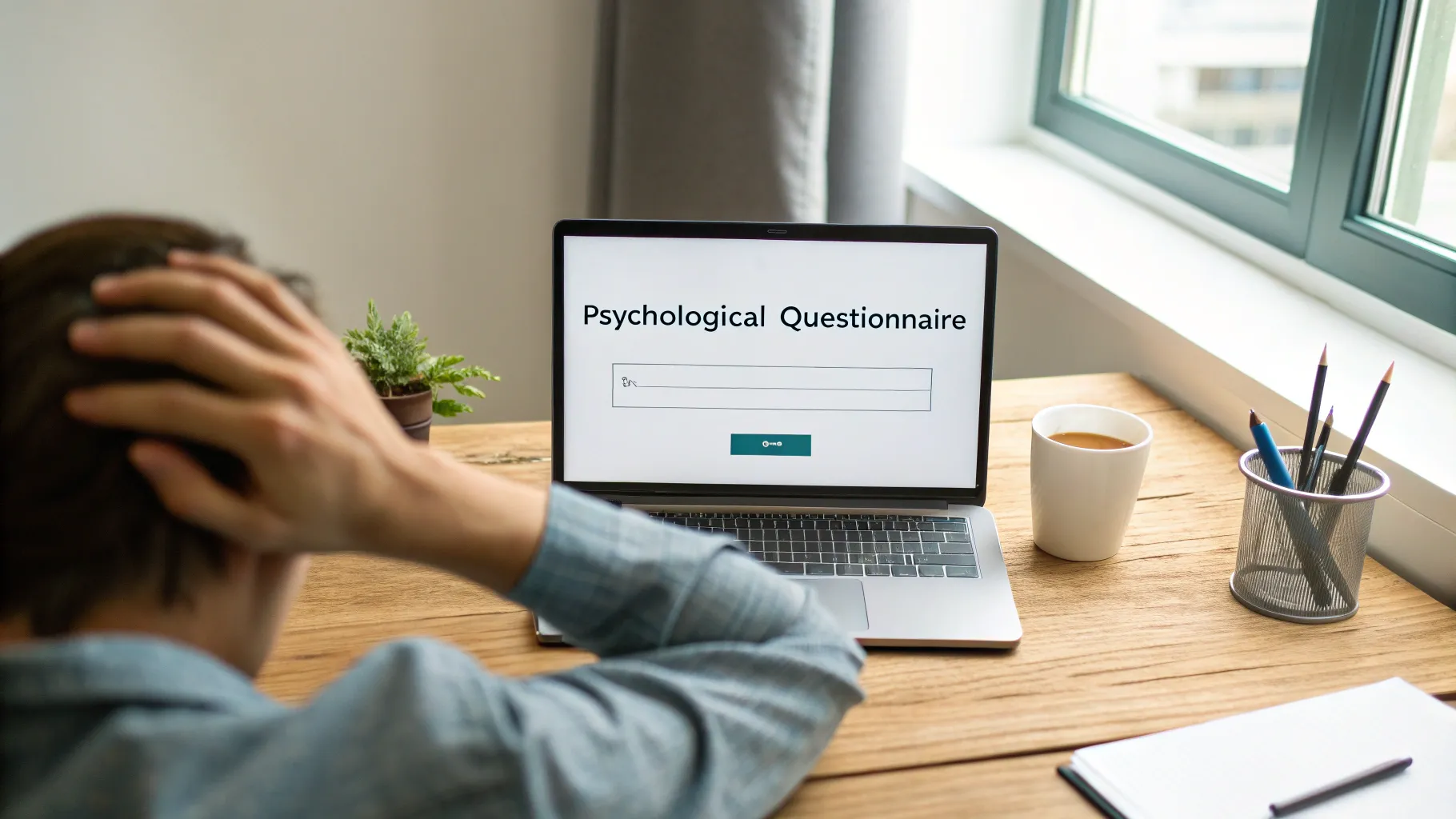
What Do Online BPD Screening Tools Actually Measure?
When you take an online BPD test, it's essential to know what it's designed to do. These quizzes are typically simplified screening instruments that look for patterns of behavior and emotion associated with Borderline Personality Disorder. They might ask about emotional instability, relationship patterns, impulsivity, and identity disturbances. However, a key part of understanding online borderline personality disorder tests is realizing they measure self-reported symptoms without crucial context. They cannot assess the severity, duration, or impairment caused by these symptoms, nor can they differentiate them from other conditions like complex PTSD, bipolar disorder, or even severe depression, which can have overlapping features. A score on a test is just a number; it doesn't capture the intricate narrative of a person's life that is vital for an accurate diagnosis.
Screening Tool vs. Clinical Diagnosis: A Critical Distinction
The gap between a screening tool and a clinical diagnosis is vast, and bridging it requires professional expertise. A primary challenge in understanding online borderline personality disorder tests is appreciating this difference. An online quiz is a static set of questions with predetermined scoring. A clinical diagnosis, conversely, is a dynamic and thorough process conducted by a licensed mental health professional, such as a psychiatrist or psychologist. This process involves structured interviews, a detailed review of personal and family medical history, and an assessment of how symptoms impact daily functioning. A clinician can explore the nuances of your experiences, rule out other potential causes for your symptoms, and consider co-occurring conditions. The goal of understanding online borderline personality disorder tests isn't to replace this process, but to see them as a potential first step toward it.
How to Responsibly Use Online Mental Health Resources
If you choose to use an online BPD test, approaching it with the right mindset is crucial. These tools can be a gateway to self-awareness if used responsibly. Here are actionable steps for anyone exploring these resources, grounded in a proper framework for understanding online borderline personality disorder tests:
- View it as an Educational Tool: Use the test to learn about the symptoms associated with BPD. See it as a way to gather information and vocabulary to better describe your experiences, not as a verdict on your mental health.
- Verify the Source: Not all online tests are created equal. Look for quizzes developed or endorsed by reputable mental health organizations (like NAMI or MIND) rather than those on entertainment or content-aggregator websites. Proper understanding online borderline personality disorder tests requires sourcing them from credible places.
- Do Not Self-Diagnose: This is the most critical rule. A test result, no matter how high or low, is not a diagnosis. Avoid labeling yourself based on a quiz. Self-diagnosis can lead to misinformation, anxiety, and inappropriate self-treatment.
- Focus on Patterns, Not Scores: Instead of fixating on the final score, reflect on the questions. Do they highlight patterns in your life that are causing you distress? This reflection can provide valuable information to share with a professional.
Next Steps: From Online Quiz to Professional Support
Taking an online test can be an unsettling experience, but it can also be a catalyst for positive action. The ultimate goal of understanding online borderline personality disorder tests is to empower you to seek appropriate and effective help. If the results of a test or your own reflections raise concerns, the next step is to connect with a mental health professional. You can start by contacting your primary care physician for a referral, searching online directories for therapists specializing in personality disorders, or reaching out to local mental health clinics. Prepare for your first appointment by writing down the symptoms or patterns that concern you. Your journey toward understanding online borderline personality disorder tests culminates in this vital step: engaging with a professional who can provide a real diagnosis and guide you toward an effective treatment plan.
Frequently Asked Questions
Are online BPD tests accurate?
The accuracy of online BPD tests varies greatly. While some may be based on clinical screening tools, they lack the clinical judgment needed for a real diagnosis. A core part of understanding online borderline personality disorder tests is knowing they are, at best, preliminary screeners and should not be considered accurate for diagnostic purposes.
Can I have BPD if I score low on an online test?
Yes. An online test is not comprehensive. It may not capture the specific ways your symptoms manifest. If you have persistent concerns about your mental health, you should consult a professional regardless of a low score. Relying solely on a quiz is a misunderstanding of the purpose of these tools.
What should I do if my online test results say I might have BPD?
Try not to panic. Use the result as a prompt to schedule an appointment with a qualified mental health provider, like a psychologist or psychiatrist. They can conduct a proper evaluation. Bringing the test results can be a helpful way to start the conversation, demonstrating your commitment to understanding online borderline personality disorder tests and your own mental health.
References
- National Institute of Mental Health (NIMH) - Borderline Personality Disorder
- American Psychiatric Association - Diagnostic and Statistical Manual of Mental Disorders (DSM-5-TR)
- Journal of Personality Disorders - Studies on Screening and Assessment
- World Health Organization (WHO) - Mental Health Resources