
Understanding Online Burnout Tests: A Comprehensive Guide
Facts:
- Burnout is officially recognized as an occupational phenomenon.
- Online searches for burnout symptoms have surged recently.
Decoding the Digital Diagnosis: How Online Burnout Tests Work
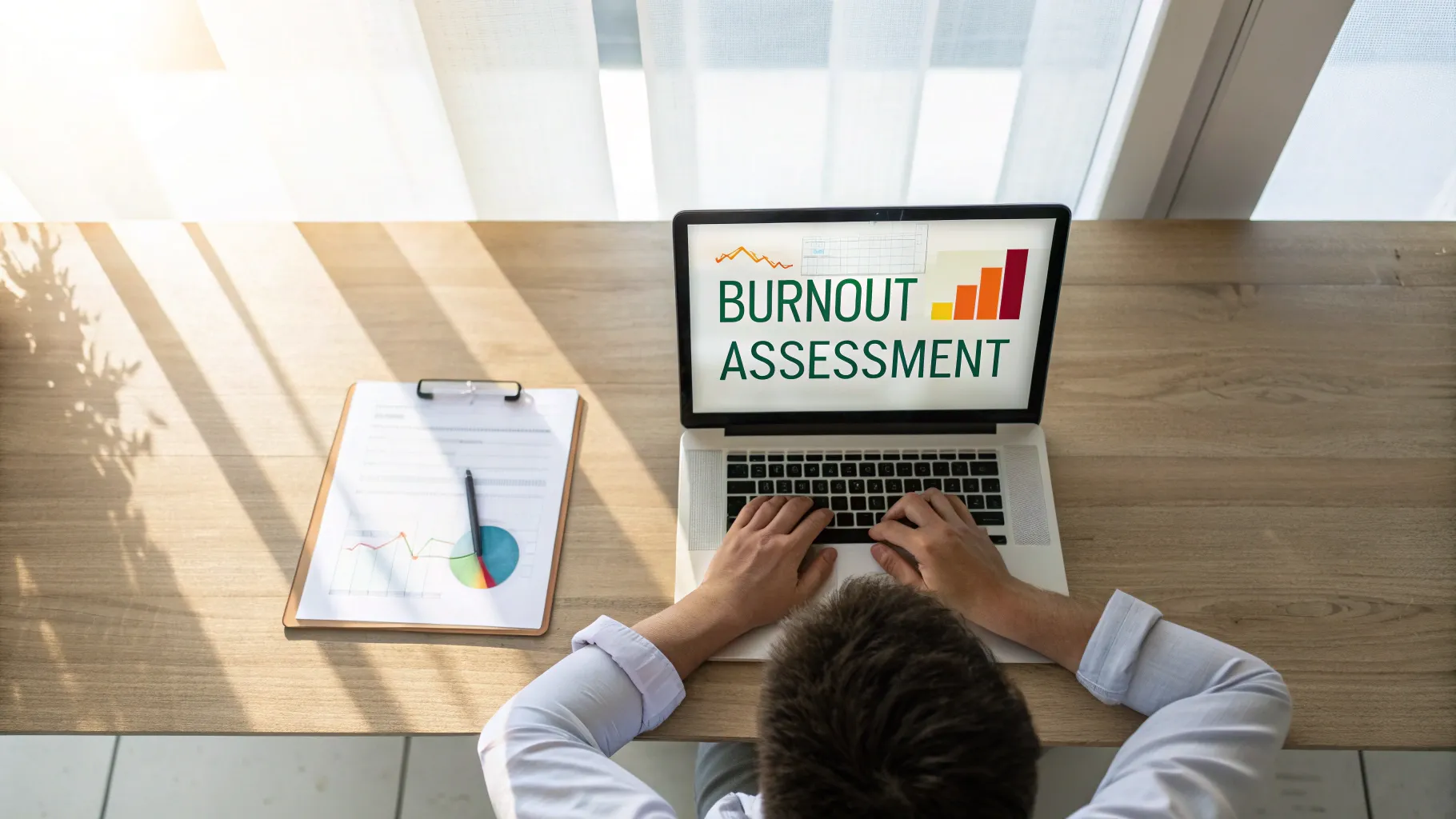
In an era of constant connectivity and high-pressure work environments, feelings of exhaustion and cynicism are becoming increasingly common. This has led to a surge in individuals seeking answers through digital tools, making understanding online burnout tests more critical than ever. These assessments are designed to be a preliminary step, offering a structured way to evaluate symptoms associated with occupational burnout, such as emotional exhaustion, depersonalization, and a diminished sense of personal accomplishment. While not a substitute for professional medical advice, they provide valuable insights and can serve as the first step toward acknowledging and addressing the problem. A proper understanding online burnout tests involves recognizing them as self-assessment tools that quantify subjective feelings into a more tangible score.
What Core Dimensions Do Burnout Tests Measure?
To achieve a genuine understanding online burnout tests, it's essential to know what they are designed to measure. Most reputable tests are based on established psychological models, primarily the Maslach Burnout Inventory (MBI). They typically evaluate three core dimensions of burnout. The first is Emotional Exhaustion, which refers to the feeling of being emotionally overextended and depleted of one's emotional resources. The second is Depersonalization or Cynicism, characterized by a negative, detached, or excessively cynical response to one's job and colleagues. The third is a sense of Reduced Personal Accomplishment, which involves a decline in feelings of competence and successful achievement in one's work. By scoring these three areas, the tests provide a profile of your current state, highlighting which aspects of burnout may be affecting you most severely.
Common Types of Online Assessments for Burnout
The landscape of digital self-help tools is vast, and there are several types of assessments available. A key part of understanding online burnout tests is distinguishing between them. On one end, you have quick, informal quizzes often found on lifestyle blogs. These are generally not scientifically validated but can be useful for raising initial awareness. On the other end, there are more comprehensive, evidence-based inventories that adapt questions from clinical tools like the MBI, the Oldenburg Burnout Inventory (OLBI), or the Copenhagen Burnout Inventory (CBI). These longer tests provide a more nuanced and reliable snapshot of your symptoms. Choosing the right tool depends on your goal; for a quick check-in, a simple quiz may suffice, but for a more serious self-evaluation, a test based on a recognized psychological framework is far superior.
How to Interpret Your Results Accurately
Receiving a score from an online test can be confusing or even alarming. A critical aspect of understanding online burnout tests is knowing how to interpret the results without jumping to conclusions. Firstly, remember that these tests are screeners, not diagnostic instruments. A high score for emotional exhaustion, for example, is an indicator that you should investigate further, not a definitive diagnosis of burnout. Context is everything. Consider your recent work pressures, personal life stressors, and overall health. The results should be viewed as a conversation starter—either with yourself about making lifestyle changes or, more importantly, with a healthcare professional or a therapist who can provide a formal diagnosis and guide you toward an appropriate recovery plan.
Actionable Strategies to Mitigate Burnout Symptoms
After using a test and gaining a better understanding online burnout tests and your own situation, the next step is action. Waiting for the symptoms to disappear on their own is rarely effective. Instead, consider implementing proactive strategies to regain control and improve your well-being.
- Establish Firm Boundaries: Clearly define your work hours and stick to them. Avoid checking emails or taking work calls after hours. This creates a necessary psychological separation between your professional and personal life.
- Prioritize Rest and Recovery: Ensure you are getting adequate sleep. Incorporate short breaks throughout your workday to step away from your desk, stretch, or do something you enjoy. True recovery is essential for resilience.
- Incorporate Mindfulness and Stress-Reduction Techniques: Practices like meditation, deep-breathing exercises, or even regular physical activity can significantly lower stress levels and combat feelings of being overwhelmed.
- Seek Social Support: Connect with trusted friends, family, or colleagues. Sharing your feelings and experiences can alleviate the sense of isolation that often accompanies burnout.
- Consult a Professional: If your symptoms are severe or persistent, do not hesitate to seek help from a therapist, counselor, or your primary care physician. They can offer evidence-based strategies and support tailored to your specific situation.
The Limitations and Risks of Self-Assessment Tools
While beneficial, it is crucial that understanding online burnout tests also includes acknowledging their limitations. These tools cannot capture the full complexity of an individual's situation. They don't account for underlying medical conditions, personal history, or the specific nuances of a person's work environment. There is a risk of misinterpretation, leading to either unnecessary anxiety or a false sense of security. Relying solely on an online test can delay seeking professional help when it is truly needed. Therefore, these tests should always be used as one piece of a larger puzzle—a tool to enhance self-awareness, not to replace the expert guidance of a qualified professional.
Frequently Asked Questions
Are online burnout tests scientifically valid?
The validity varies greatly. Tests based on established psychological frameworks like the Maslach Burnout Inventory (MBI) have a higher degree of reliability than simple online quizzes. A crucial part of understanding online burnout tests is to check if the source mentions the scientific model it is based on. However, no online test should be treated as a clinical diagnosis.
Can I use an online test to diagnose myself with burnout?
No. Self-diagnosis is not recommended. These tests are valuable for self-reflection and as a preliminary screening tool to identify potential warning signs. A formal diagnosis of burnout must be made by a qualified healthcare professional, such as a doctor or psychologist, who can assess your full situation. Proper understanding online burnout tests means seeing them as a first step, not a final answer.
What is the first thing I should do if a test indicates high burnout levels?
If your results suggest a high risk of burnout, the most important first step is to schedule an appointment with a healthcare professional or a mental health expert. You can bring your test results to the appointment as a starting point for the discussion. This proactive step is a key outcome of effectively understanding online burnout tests and using them wisely.
References
- World Health Organization (WHO), International Classification of Diseases (ICD-11).
- Maslach, C., Jackson, S. E., & Leiter, M. P. (1996). The Maslach Burnout Inventory Manual.
- Kristensen, T. S., Borritz, M., Villadsen, E., & Christensen, K. B. (2005). The Copenhagen Burnout Inventory: A new tool for the assessment of burnout.