
Understanding Online Emotional Intelligence Tests: A Complete Guide
Fast Facts:
- Assess Key Skills: Tests measure self-awareness, empathy, and social skills.
- For Professionals: Increasingly used in hiring and leadership development.
What Do These Digital EQ Assessments Really Measure?
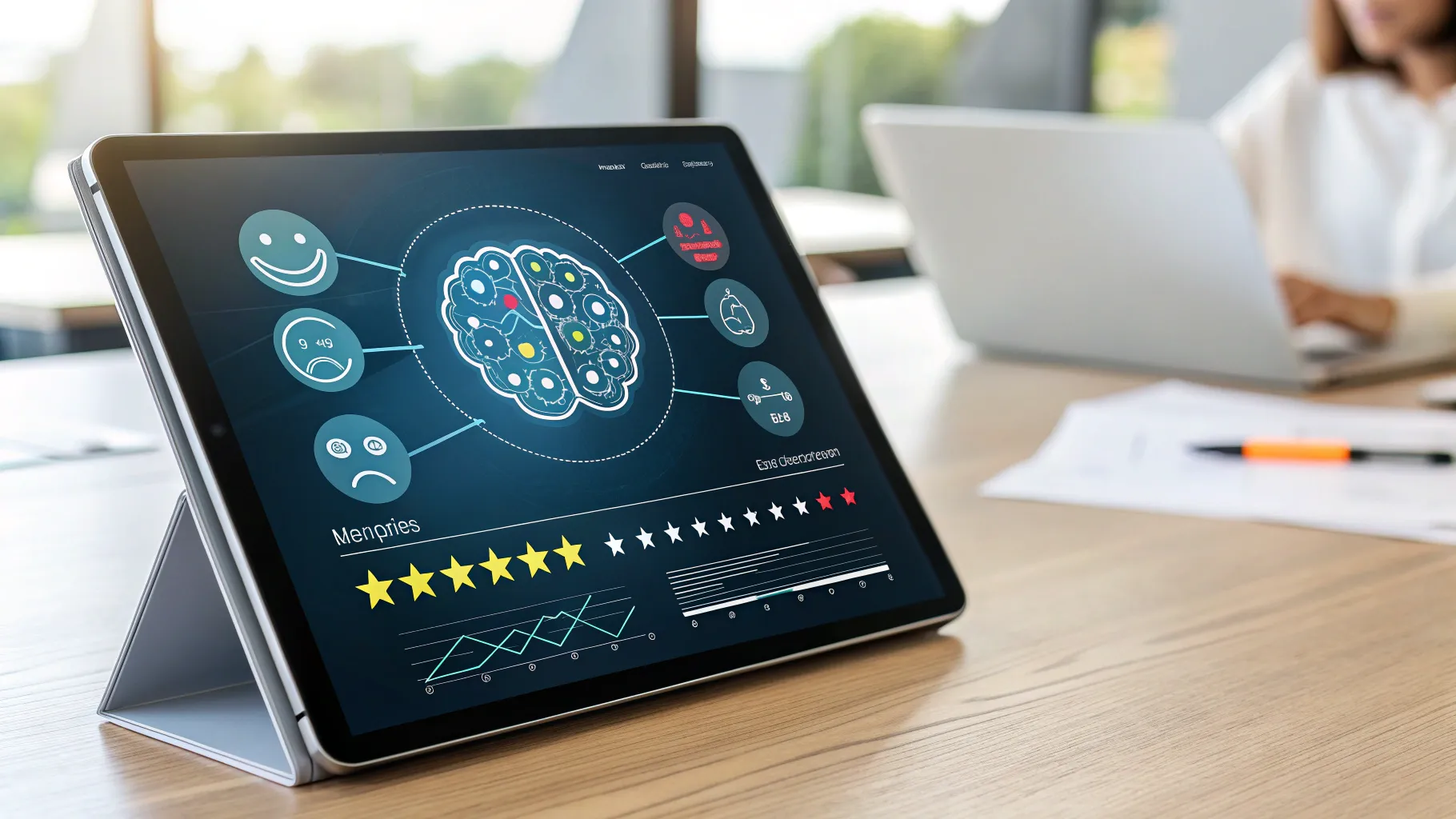
Navigating the world of self-improvement and professional development often leads to various assessments, and a key area gaining traction is emotional intelligence (EQ). For many, understanding online emotional intelligence tests can feel like deciphering a complex code. These digital tools promise deep insights into our ability to perceive, use, understand, manage, and handle emotions. Unlike traditional IQ tests that measure cognitive ability, EQ tests delve into the more nuanced aspects of our personality and interpersonal skills, providing a valuable snapshot of our social and emotional competencies which are critical in both personal and professional spheres.
Deconstructing the Common Types of EQ Tests You'll Encounter
Online emotional intelligence tests are not a one-size-fits-all solution. They come in several formats, each designed to evaluate different facets of EQ. The most common are ability-based tests, which present problem-solving scenarios involving emotions and have correct and incorrect answers, much like an IQ test. Then there are trait-based or self-report tests, where you rate yourself on statements like 'I am aware of my emotions as I experience them.' Finally, mixed-model tests combine both approaches to provide a more holistic view. Knowing which type of test you're taking is the first step in truly interpreting the results you receive.
How to Meaningfully Interpret Your EQ Test Results
Receiving your score is just the beginning. The real value comes from a thorough analysis. The process of understanding online emotional intelligence tests is incomplete without knowing how to act on the information provided. These assessments offer a roadmap for personal growth, highlighting both your innate strengths and areas ripe for development.
- Look Beyond the Overall Score: Focus on the sub-scores for specific competencies like self-awareness, empathy, motivation, and social skills. This is where the real insights lie.
- Identify Strengths and Weaknesses: Use the report to pinpoint areas where you excel and those that need development. Don't view a low score as a failure, but as an opportunity for growth.
- Consider the Context: Remember that these tests are a snapshot in time. Your mood, stress level, and environment can influence your answers. Reflect on whether the results align with your real-life experiences.
- Create an Action Plan: The true value of any assessment is the action it inspires. Use your results to set specific, measurable goals for improving your emotional intelligence in targeted areas.
The Validity and Reliability of Online EQ Assessments
A common question is whether online EQ tests are truly accurate. The reliability of an assessment depends heavily on its design and scientific backing. Reputable tests, often developed by psychologists and based on established models like those by Goleman or Mayer-Salovey-Caruso, have high validity. However, the internet is flooded with free, informal quizzes that are more for entertainment than for accurate measurement. For serious self-assessment or professional purposes, it's crucial to choose a test with documented research and a clear methodology. A key part of understanding online emotional intelligence tests includes learning to distinguish between scientifically validated tools and superficial quizzes.
Frequently Asked Questions
Are emotional intelligence tests accurate?
The accuracy of an emotional intelligence test depends on its scientific validation. Professionally developed tests used in corporate and clinical settings are generally reliable, while free online quizzes may not be.
Can you improve your emotional intelligence score?
Yes, emotional intelligence is not a fixed trait. Through conscious effort, practice, and targeted exercises in areas like self-awareness and empathy, you can significantly improve your EQ over time.
What do emotional intelligence tests measure?
They typically measure a range of competencies, including self-awareness (recognizing your own emotions), self-regulation (managing them), social awareness (empathy), and relationship management (social skills).
References
- Goleman, D. (1995). Emotional Intelligence: Why It Can Matter More Than IQ. Bantam Books.
- Mayer, J. D., & Salovey, P. (1997). What is emotional intelligence? In P. Salovey & D. J. Sluyter (Eds.), Emotional development and emotional intelligence: Educational implications (pp. 3–31). Basic Books.