
A Complete Guide to Understanding Online Emotional intelligence Tests
Facts:
- Emotional intelligence is often a better predictor of success than IQ.
- A growing trend for employers is using EI tests in hiring processes.
Decoding Your Digital Emotional Profile
In today's digitally-driven world, self-assessment tools have moved online, offering unprecedented access to personal insights. Among the most popular are emotional intelligence tests. However, true understanding online emotional intelligence tests requires more than just answering questions and receiving a score. It involves comprehending the underlying principles, the various formats, and how to interpret the results accurately for personal and professional growth. This guide is designed to provide a comprehensive framework for anyone seeking a deeper understanding online emotional intelligence tests and their practical applications in everyday life and career development.
What Do Online Emotional Intelligence Tests Actually Measure?
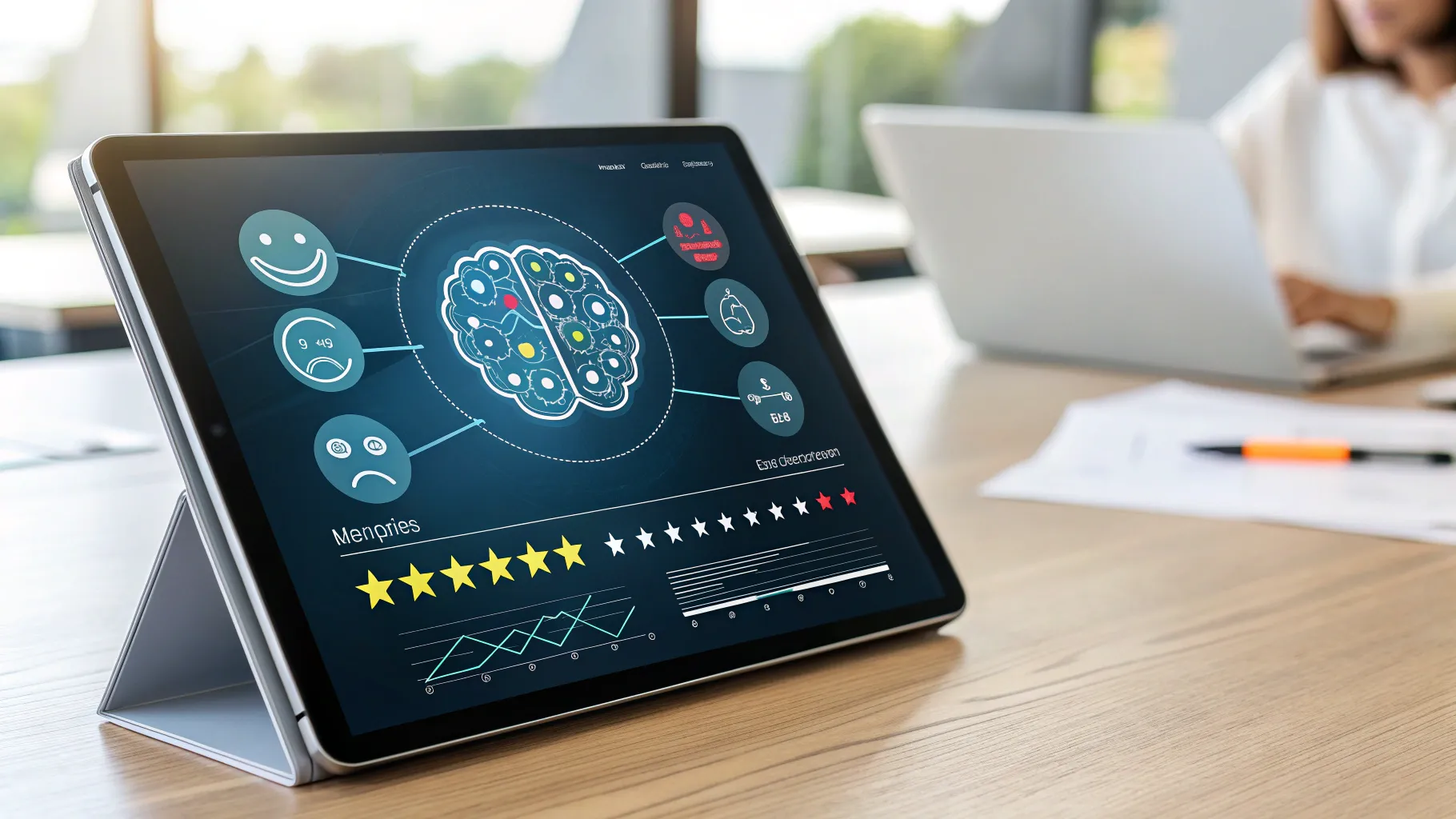
At their core, emotional intelligence (EI or EQ) tests aim to quantify your ability to perceive, use, understand, manage, and handle emotions. These abilities are typically broken down into several key competencies. Self-awareness is the foundation, representing your capacity to recognize your own emotions and their effects on your thoughts and behavior. Self-regulation builds on this, concerning your ability to manage or redirect disruptive impulses and moods. Another critical area is motivation, which involves a passion for work for reasons that go beyond money or status. Empathy, the ability to understand the emotional makeup of other people, is a cornerstone of interpersonal relationships. Finally, social skills, or proficiency in managing relationships and building networks, is the culmination of the other domains. A critical part of understanding online emotional intelligence tests is recognizing that different tests may prioritize or weigh these components differently, leading to varied results and reports.
Types of Online Emotional Intelligence Tests: A Comparative Look
The landscape of EI assessment is diverse, and a key step in understanding online emotional intelligence tests is knowing which type you are taking. They generally fall into three categories: ability-based tests, trait-based tests, and mixed models. Ability-based tests, like the MSCEIT, present problem-solving scenarios involving emotions and have right or wrong answers, treating EI as a standard intelligence. Trait-based tests, on the other hand, are self-report questionnaires where you rate yourself on various statements (e.g., "I am aware of my emotions"). These measure your perception of your own emotional intelligence, which is more akin to a personality trait. Mixed models, such as the EQ-i 2.0, combine elements of both, assessing a broad range of competencies through self-reporting but often validated against performance metrics. The choice of test often depends on the context—whether it's for personal development, clinical assessment, or corporate hiring. The process of understanding online emotional intelligence tests is incomplete without appreciating these methodological differences.
How to Prepare for and Interpret Your Test Results
While you can't 'study' for an EI test in the traditional sense, you can prepare by being in the right mindset. It's crucial to be honest, well-rested, and in a calm environment to ensure your answers reflect your true self. After receiving your results, the interpretation phase begins. Avoid viewing the score as a static label. Instead, see it as a snapshot of your current emotional skills. A proper approach to understanding online emotional intelligence tests involves looking at the sub-scores for specific competencies. Identify both your strengths and areas for development. Many reports offer detailed feedback and suggestions. For instance, if you score lower on empathy, the report might suggest practicing active listening. Here are some actionable steps:
- Reflect on the Feedback: Don't just read the score. Read the narrative report that accompanies it. Does the feedback resonate with your own experiences at work or in your personal life?
- Identify One or Two Areas for Focus: Trying to improve everything at once is overwhelming. Pick one or two competencies that you believe will have the most significant positive impact on your life.
- Seek External Feedback: Ask a trusted friend, family member, or colleague if they perceive you in the same way the test results suggest. This can provide valuable context.
- Create a Development Plan: Set specific, measurable, achievable, relevant, and time-bound (SMART) goals to work on your chosen areas. This transforms the test from a simple measurement into a powerful tool for growth.
The Benefits and Limitations of Digital EI Assessments
The rise of digital platforms has made EI testing more accessible and affordable than ever. They provide a structured way to gain self-awareness and can be an excellent catalyst for personal development conversations with a coach or manager. For organizations, they can help in team building, leadership development, and improving company culture. However, it's vital to maintain a critical perspective. Self-report tests can be influenced by mood or a desire to present oneself in a favorable light. The accuracy of any test also depends on its scientific validity and reliability. Therefore, a crucial part of understanding online emotional intelligence tests is to treat the results not as an absolute truth but as one data point among many. It's a guide, not a gospel, that should be combined with real-world feedback and self-reflection for a holistic view of one's emotional capabilities.
Frequently Asked Questions
Are online emotional intelligence tests accurate?
The accuracy varies significantly depending on the test's design and validation. Scientifically validated tests like the MSCEIT or EQ-i 2.0 are generally considered reliable. However, free online quizzes often lack scientific rigor. A key part of understanding online emotional intelligence tests is to research the specific test you are taking to ensure it is credible and has been psychometrically validated.
Can I improve my emotional intelligence score?
Yes, absolutely. Unlike IQ, which is relatively stable, emotional intelligence is a set of flexible skills that can be learned and developed over time with conscious effort, practice, and feedback. The purpose of understanding online emotional intelligence tests is often to identify specific areas for this focused development, such as empathy or stress management.
How are these tests used in hiring?
Companies use emotional intelligence tests to assess a candidate's potential for leadership, teamwork, and resilience. They look for candidates who demonstrate self-awareness, can manage pressure, and work collaboratively. For candidates, understanding online emotional intelligence tests can help them better prepare for this part of the modern interview process by reflecting on these crucial soft skills.
References
- Mayer-Salovey-Caruso Emotional Intelligence Test (MSCEIT) User's Manual
- The Emotional Quotient Inventory (EQ-i 2.0) Technical Manual
- Daniel Goleman, "Emotional Intelligence: Why It Can Matter More Than IQ"
- Travis Bradberry & Jean Greaves, "Emotional Intelligence 2.0"