
Understanding Online Insomnia Tests: A Practical Guide for Better Sleep
Fast Facts:
- Accessibility: Offers a quick, private first step for sleep concerns.
- Growing Trend: Increasingly used by adults under 40 for initial self-assessment of sleep issues.
How Digital Quizzes Are Shaping Our Approach to Sleep Health
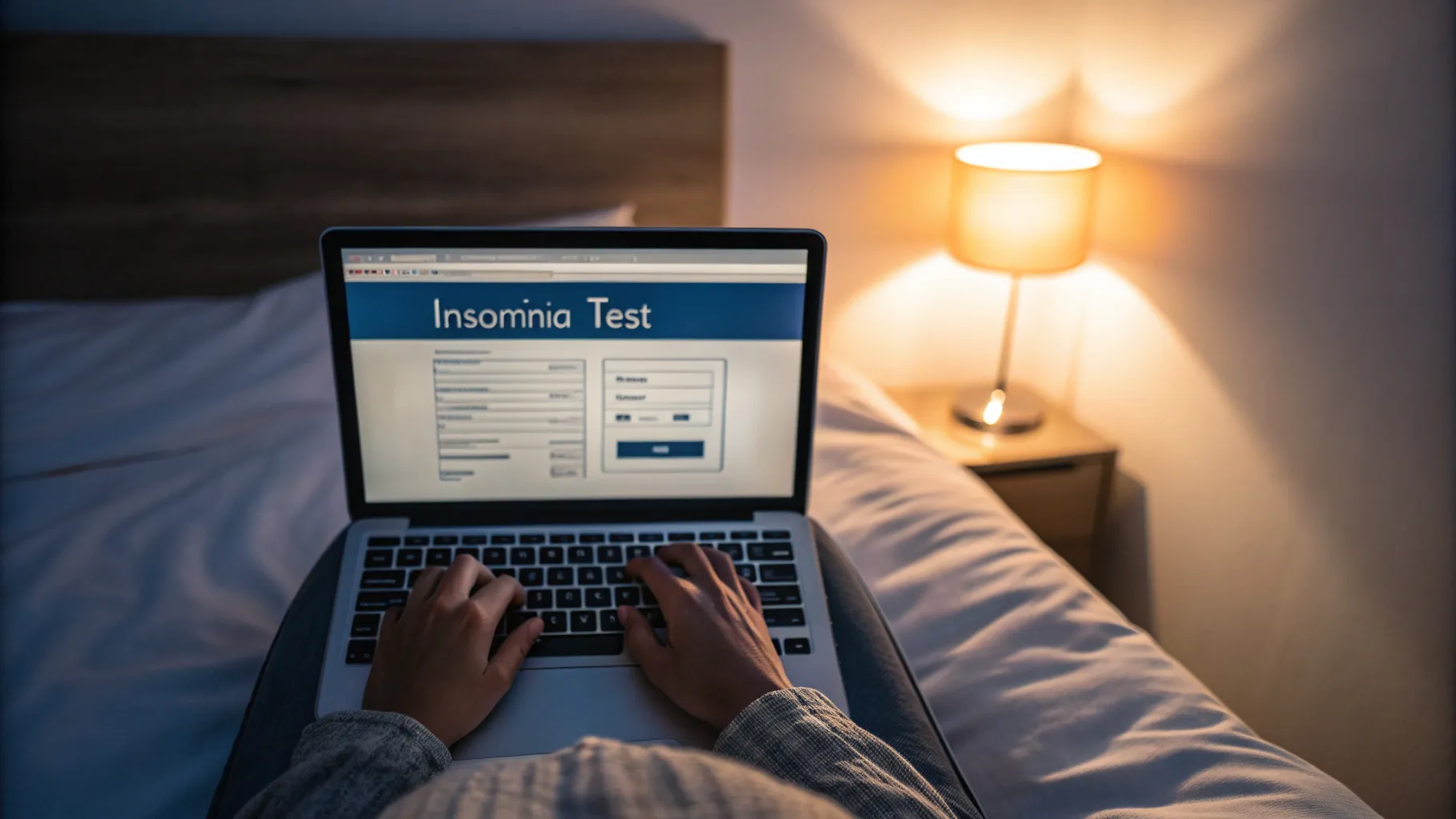
In an age where digital health tools are just a click away, online insomnia tests have become a popular first port of call for those struggling with sleepless nights. These accessible questionnaires promise to quickly assess your sleep patterns and provide immediate feedback. However, truly understanding online insomnia tests involves looking beyond the final score. It requires recognizing them as preliminary screening tools that can highlight potential issues, rather than definitive diagnostic instruments. They can be a valuable starting point, guiding you on whether it's time to seek professional medical advice for your sleep disturbances.
Decoding the Questions: What Do These Tests Actually Measure?
Most online insomnia tests are based on established clinical questionnaires like the Insomnia Severity Index (ISI) or the Pittsburgh Sleep Quality Index (PSQI). They typically evaluate several key dimensions of your sleep. These include sleep latency (how long it takes you to fall asleep), sleep maintenance (your ability to stay asleep), early morning awakenings, and the impact of poor sleep on your daytime functioning. By answering questions related to these areas, the test generates a score that categorizes your symptoms as mild, moderate, or severe, offering a structured snapshot of your sleep health.
The Accuracy Spectrum: Online Quiz vs. Clinical Diagnosis
While convenient, it's crucial to understand the limitations of these digital tools. An online test relies entirely on your self-reported data, which can be subjective. It cannot capture the physiological data that a clinical sleep study (polysomnography) can, which measures brain waves, heart rate, and breathing. Therefore, an online quiz is a screener, not a diagnosis. A high score suggests you should consult a healthcare professional, who can conduct a thorough evaluation to rule out other medical conditions or sleep disorders like sleep apnea that might be causing your insomnia.
Your Results Are In: Smart Next Steps to Take
Receiving your results from an online insomnia test is not the end of the journey; it's the beginning. Here are actionable steps to take with your newfound information:
- Don't Panic: Use the results as information, not a label. A high score is a prompt to take action, not a cause for alarm.
- Track Your Habits: Keep a detailed sleep diary for one to two weeks. Record bedtime, wake-up time, caffeine intake, and any nighttime awakenings. This provides valuable context for your test results.
- Consult a Professional: Share your test results and sleep diary with your doctor or a sleep specialist. This data gives them a strong foundation for a more formal evaluation.
- Explore Evidence-Based Solutions: Ask your doctor about Cognitive Behavioral Therapy for Insomnia (CBT-I), which is considered the first-line treatment for chronic insomnia and is often more effective than medication.
Frequently Asked Questions
Are online insomnia tests a valid medical diagnosis?
No, they are not. Online insomnia tests are screening tools designed to help you assess your symptoms. A formal diagnosis can only be made by a qualified healthcare professional after a comprehensive evaluation.
How accurate are the results from an online sleep quiz?
Their accuracy depends on the quality of the test and the honesty of your responses. While many are based on clinically validated questionnaires, they are best used to identify potential problems that warrant further investigation by a doctor.
Is my data kept private when I take an online insomnia test?
This varies by provider. Always review the website's privacy policy before submitting any personal information. Reputable sources will be transparent about how they handle your data.
References
- National Sleep Foundation
- American Academy of Sleep Medicine
- Journal of Clinical Sleep Medicine