
A Practical Guide to Understanding Online Mood Disorder Tests
Fast Facts:
- Accessibility: Get initial mental health insights from the privacy of your home.
- Online self-assessments are a growing first step for individuals seeking preliminary mental health information.
Decoding Digital Mental Health Screenings: What You Need to Know
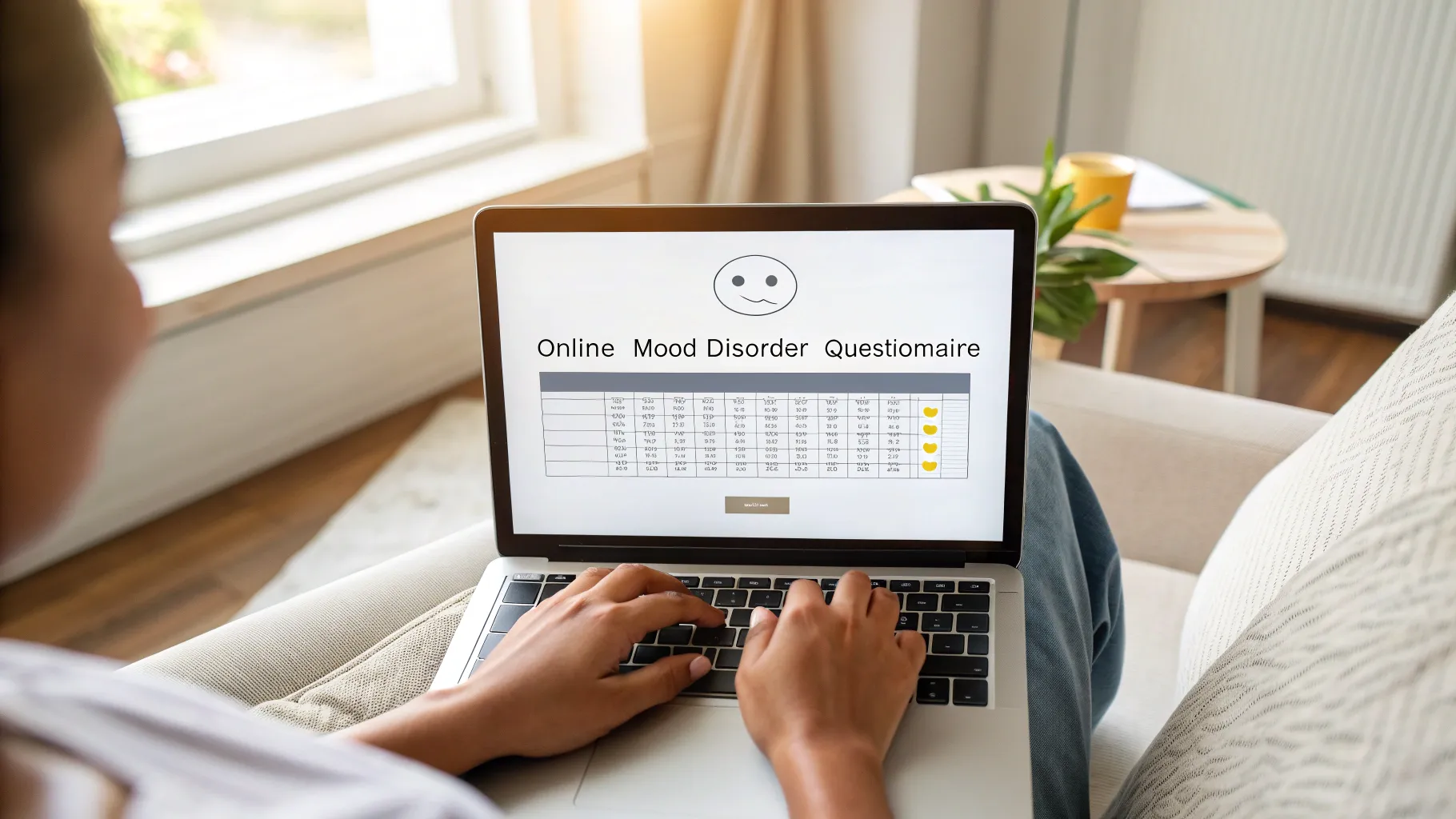
In an age of digital accessibility, many are turning to online tools to gain initial insights into their mental well-being. While convenient, the process of understanding online mood disorder tests requires a nuanced perspective. These digital questionnaires are not diagnostic tools but rather screeners designed to identify potential symptoms that may warrant a conversation with a qualified healthcare professional. They serve as a preliminary step, helping individuals organize their thoughts and concerns before seeking professional help and navigating the path to mental wellness.
The Role and Limitations of Self-Assessment Tools
Online mood disorder tests offer significant benefits, including immediate access, anonymity, and the removal of barriers like cost and stigma that can prevent people from seeking help. They can empower you with information and encourage you to take the next step. However, it's vital to recognize their limitations. These tests cannot capture the full context of your life, experiences, or co-occurring conditions the way a trained clinician can. Misinterpreting results without professional guidance can lead to unnecessary anxiety or a false sense of security, delaying crucial treatment. They are a starting point, not a conclusion.
How to Identify a Credible Online Mood Disorder Test
Not all online tests are created equal. To ensure you are using a reliable tool, it's important to look for specific markers of credibility. A trustworthy test is typically based on clinically validated screening questionnaires, such as the PHQ-9 for depression or the GAD-7 for anxiety. Reputable platforms will also have a transparent privacy policy explaining how your data is used. Most importantly, they will clearly state that the tool is for informational purposes only and is not a substitute for a professional diagnosis. They should also provide resources or suggestions for next steps, such as how to find a qualified therapist or doctor in your area.
Actionable Steps After Taking an Online Test
- View Results as Information: Treat the results as a snapshot of your current feelings, not a definitive label or diagnosis.
- Document Your Feelings: Use the test as a jumping-off point. Write down the symptoms and feelings that prompted you to take it. This can be valuable information to share with a professional.
- Consult a Professional: Regardless of the outcome, if you have ongoing concerns about your mental health, the most important step is to speak with a healthcare provider.
- Avoid Self-Diagnosis: Resist the urge to use the results to diagnose yourself or others. A comprehensive mental health evaluation requires professional expertise.
Frequently Asked Questions
Are online mood disorder tests accurate?
Reputable online tests can be reliable as screening tools, but they are not diagnostic instruments. Their accuracy depends on the test's scientific basis and your honest self-reporting. They are best used to identify potential concerns to discuss with a doctor or therapist.
Can an online test replace a therapist?
No. An online test cannot replace the nuanced diagnosis, treatment planning, and therapeutic relationship provided by a qualified mental health professional. It is only a preliminary information-gathering tool.
What should I do after getting my results?
Regardless of the results, if you have concerns about your mental health, the best next step is to schedule an appointment with a healthcare provider, such as a general practitioner or a mental health specialist, to discuss your feelings and the test results.
References
- National Institute of Mental Health (NIMH). "Mental Health Screening Tools."
- American Psychiatric Association. "The Role of Digital Health in Modern Psychiatry."
- World Health Organization (WHO). "Assessment and Management of Conditions Specifically Associated with Stress."