
Understanding Online Schizophrenia Tests: A Comprehensive Guide
Facts:
- Online tests are screeners, not diagnostic tools.
- A growing trend for mental health self-assessment online.
The Purpose and Pitfalls of Digital Mental Health Screeners
In an era of digital self-help, many people turn to the internet for answers about their mental health, leading to a surge in searches for tools like online quizzes. Gaining a clear understanding online schizophrenia tests is the first crucial step before placing any weight on their results. These digital screeners are designed to identify potential symptoms or risk factors, but they are fundamentally different from a clinical diagnosis. It's vital to approach these tools with informed caution, recognizing their role as a preliminary guide rather than a definitive answer. This article will delve into the nuances of understanding online schizophrenia tests, exploring their mechanics, limitations, and the appropriate next steps one should take after receiving a result.
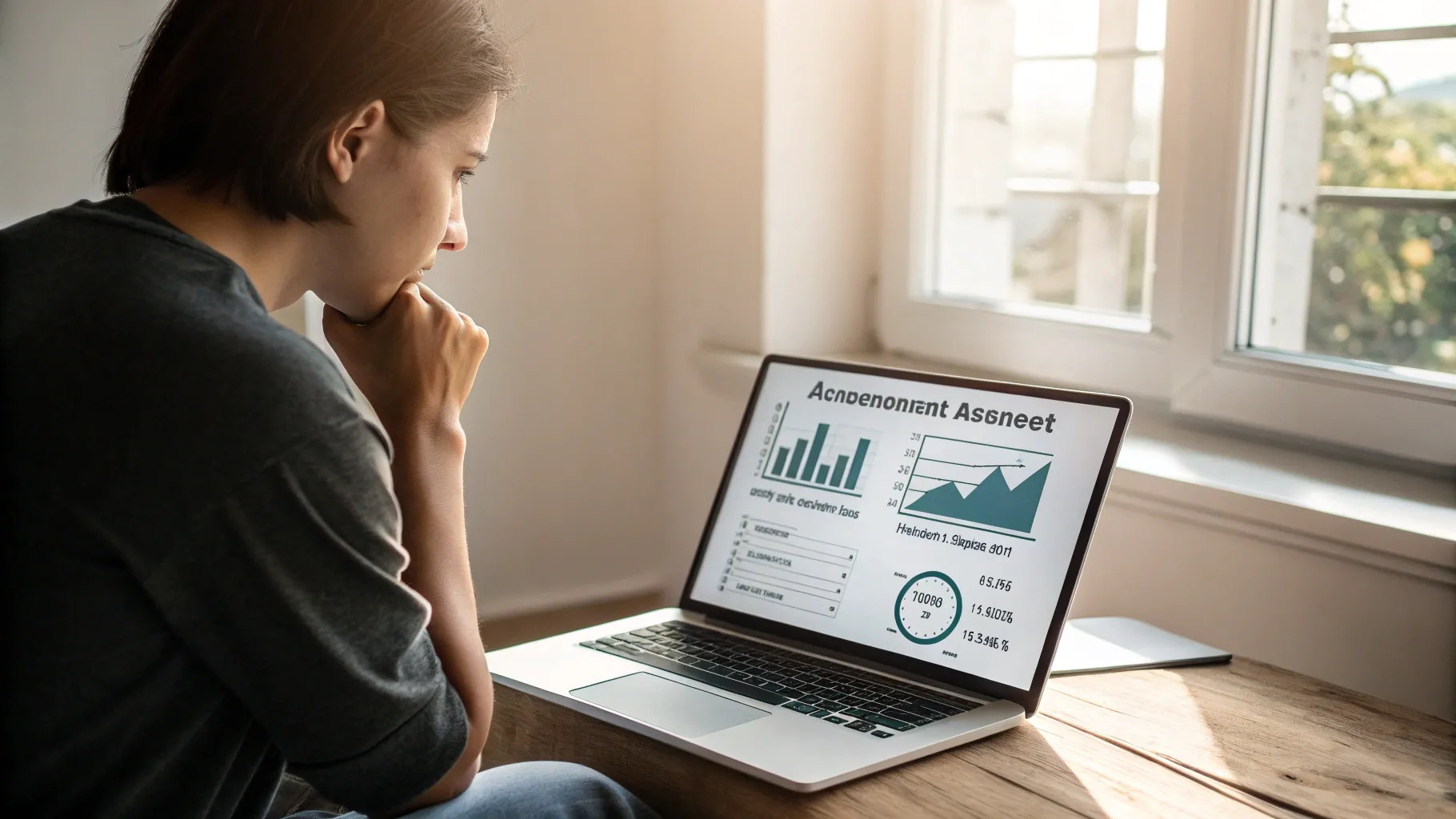
How Do Online Schizophrenia Tests Actually Work?
At their core, online schizophrenia tests are structured questionnaires. They present a series of questions or statements related to experiences, thoughts, and behaviors that are known to be associated with schizophrenia and other psychotic disorders. These questions are typically derived from clinical criteria found in manuals like the DSM-5. They cover positive symptoms (like hallucinations or delusions), negative symptoms (such as emotional flatness or lack of motivation), and cognitive symptoms (like disorganized thinking). A critical part of understanding online schizophrenia tests is knowing that they work on a scoring system. Each answer is assigned a point value, and the total score is compared against a predetermined threshold to suggest a low, medium, or high likelihood of experiencing symptoms that warrant further investigation. They are not sophisticated diagnostic algorithms; they are simple, self-reported symptom checkers.
Common Misconceptions About Online Mental Health Assessments
One of the biggest dangers of these online tools is the potential for misinterpretation. A primary misconception is that a high score is equivalent to a diagnosis. This is false. Many symptoms queried in these tests, such as paranoia, social withdrawal, or unusual perceptual experiences, can be caused by a wide range of other conditions, including severe anxiety, bipolar disorder, PTSD, or even substance use. An effective understanding online schizophrenia tests requires acknowledging this significant symptom overlap. Another common mistake is believing these tests are completely confidential and anonymous. Depending on the website, user data may be collected. It is essential to treat these tests as educational resources, not as a substitute for a comprehensive psychiatric evaluation conducted by a trained clinician who can consider the full context of an individual's life and health.
What to Do After Taking an Online Schizophrenia Test
Receiving a concerning result from an online test can be alarming, but it is important to respond thoughtfully rather than with panic. The result is not a final verdict but a signal to take proactive steps towards getting clarity. A proper understanding online schizophrenia tests means using them as a catalyst for action, not a conclusion. Here are practical steps to take:
- Document Your Experiences: Use the questions from the test as a guide. Write down specific examples of the thoughts, feelings, or experiences that led to your answers. This detailed information will be incredibly helpful when speaking with a professional.
- Consult a Healthcare Professional: This is the most critical step. Schedule an appointment with a primary care doctor, a psychiatrist, or a psychologist. They can perform a thorough assessment, rule out other medical causes for your symptoms, and provide an accurate diagnosis.
- Avoid Confirmation Bias: After taking a test, resist the urge to search for more online information that confirms the result. This can lead to increased anxiety and misinformation. Instead, focus your energy on seeking professional, evidence-based guidance.
- Talk to Someone You Trust: Sharing your concerns with a trusted friend or family member can provide emotional support. However, remember that their support is not a substitute for professional medical advice.
The Critical Role of Professional Diagnosis vs. Self-Assessment
There is a vast difference between a self-assessment and a clinical diagnosis. A true diagnosis of schizophrenia is a complex process that cannot be replicated by a simple online form. Clinicians conduct structured interviews, gather a detailed personal and family health history, and may speak with family members (with permission) to get a fuller picture. They assess the duration, severity, and impact of symptoms on daily functioning. Crucially, they rule out other medical or psychiatric conditions that could be causing the symptoms. The process of understanding online schizophrenia tests must include the recognition that these tools lack the nuance, context, and diagnostic rigor of a professional evaluation. They are a starting point, a way to organize your thoughts, but the journey to a real answer must be guided by a qualified expert.
Frequently Asked Questions
Are online schizophrenia tests accurate?
The accuracy of online schizophrenia tests is limited. They are best viewed as preliminary screening tools, not diagnostic instruments. Their main function is to raise awareness of potential symptoms that may warrant professional evaluation. A core part of understanding online schizophrenia tests is recognizing they cannot confirm or deny the presence of a complex psychiatric condition like schizophrenia.
What kind of questions are on an online schizophrenia test?
Questions typically focus on common symptoms associated with psychosis and schizophrenia, based on criteria from diagnostic manuals like the DSM-5. They may ask about experiences with hallucinations (seeing or hearing things others don't), delusions (strong beliefs that are not based in reality), disorganized thinking or speech, and negative symptoms like social withdrawal or lack of motivation. A full understanding online schizophrenia tests involves seeing how these questions map to clinical criteria.
Can anxiety or stress cause a high score on a schizophrenia test?
Yes, absolutely. Many symptoms, such as paranoia, unusual thoughts, or social withdrawal, can overlap with severe anxiety, depression, trauma-related disorders, or even high levels of stress. This is a primary reason why understanding online schizophrenia tests is critical; they lack the ability to differentiate between the root causes of these overlapping symptoms, a task that requires a skilled clinician.
References
- National Institute of Mental Health (NIMH) - Schizophrenia Overview.
- American Psychiatric Association - Diagnostic and Statistical Manual of Mental Disorders (DSM-5-TR).
- Journal of Medical Internet Research - Studies on the validity of digital mental health screening tools.
- World Health Organization (WHO) - Schizophrenia Fact Sheet.