
A Deep Dive into Understanding Online Social anxiety Tests
Facts:
- Social anxiety affects nearly 15 million American adults.
- The use of online mental health tools has increased by 50% in the last two years.
How Do Online Social Anxiety Tests Really Work?
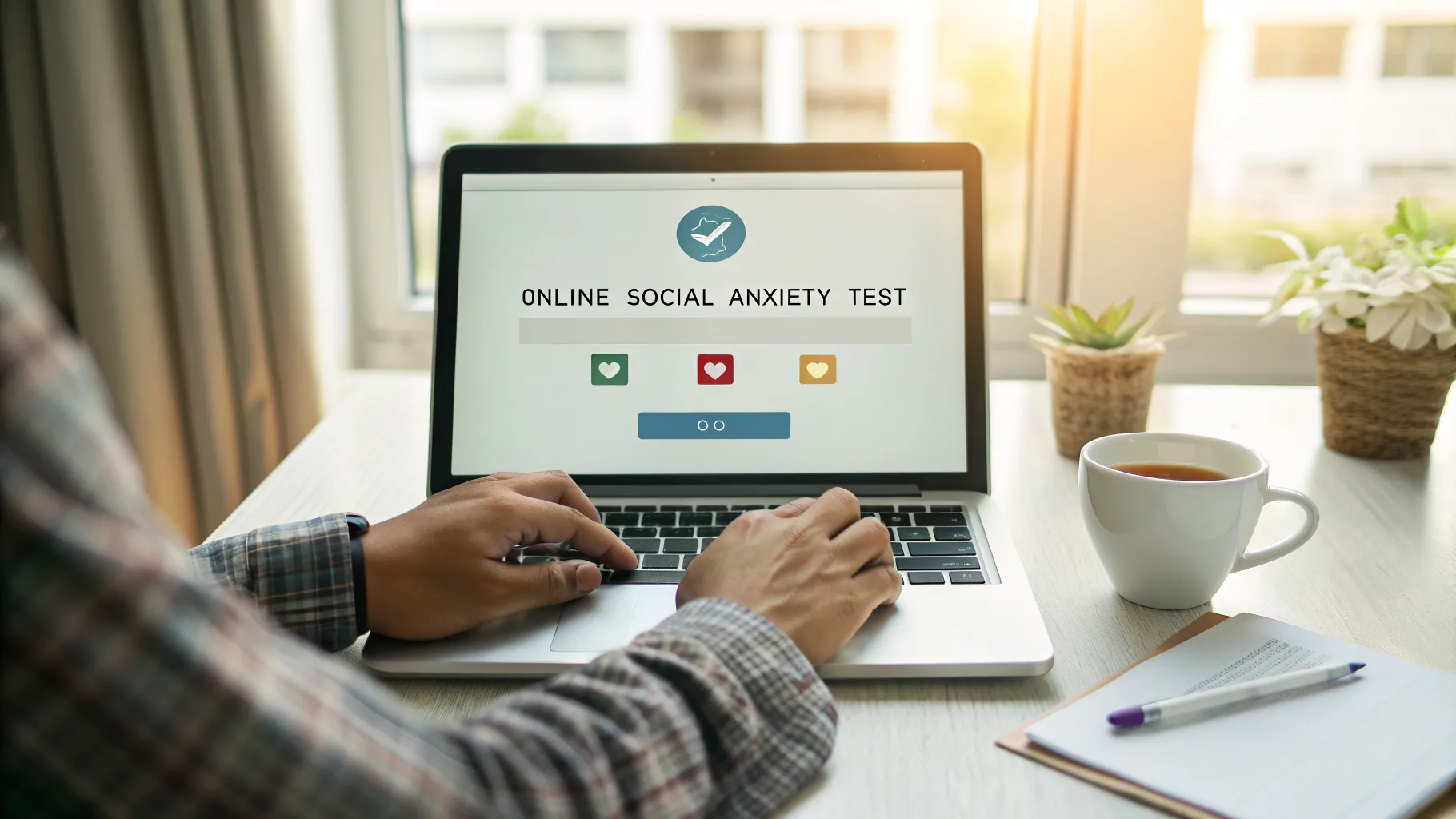
In an increasingly digital world, many people turn to the internet for initial insights into their mental health. The process of understanding online social anxiety tests begins with recognizing them as preliminary screening instruments, not diagnostic tools. These tests typically present a series of questions or statements about feelings, thoughts, and behaviors in social situations. Users rate how much they relate to each statement, often on a scale. The goal is to measure the level of distress or avoidance associated with social interactions. A key part of understanding online social anxiety tests is to use them as a starting point for self-reflection and a potential conversation with a healthcare professional, rather than a definitive answer.
What to Expect From a Social Anxiety Screening Tool
When you begin a self-assessment for social phobia, you will typically encounter a questionnaire format. Popular, clinically-derived scales like the Liebowitz Social Anxiety Scale (LSAS) or the Social Phobia Inventory (SPIN) are often adapted for online use. These social anxiety screening tools will ask about specific scenarios, such as speaking in front of others, making small talk with strangers, or eating in public. You'll be asked to rate both the fear and avoidance you feel in these situations. The questions are designed to be comprehensive, covering a wide range of social contexts to provide a nuanced score. It's crucial to answer honestly to get the most accurate preliminary feedback. Remember, these are not pass/fail tests but rather a gauge of your experiences.
The Science Behind Online Social Anxiety Assessments
The effectiveness of these tools relies on psychometric principles. Reputable online social anxiety tests are often based on the diagnostic criteria found in the Diagnostic and Statistical Manual of Mental Disorders (DSM-5). They use validated questions that have been tested in clinical populations to ensure they reliably measure symptoms of social anxiety disorder. The scoring algorithms aggregate your responses to produce a result, which is usually categorized into levels like low, moderate, or high social anxiety. This process of understanding online social anxiety tests involves appreciating that while they are backed by science, they lack the crucial context a live clinician can provide, such as your personal history, body language, and other contributing factors.
Interpreting Your Results: A Step-by-Step Guide
Receiving a score can be an emotional experience. The first step in interpreting social anxiety scores is to read the provided explanation carefully. Most platforms will offer a breakdown of what your score signifies. A high score suggests that you are experiencing significant symptoms that may be consistent with social anxiety disorder, but it is not a diagnosis. A low score doesn't necessarily mean you have no anxiety, just that it may not be reaching a clinical threshold based on this specific test. It is essential to view the results as data, not a label. Use this information as a catalyst for further exploration. Consider whether the results align with your daily life experiences and the impact social situations have on your well-being. This is a critical part of the self-assessment for social phobia journey.
The Limitations and Risks of Self-Diagnosis
While convenient, social anxiety screening tools have significant limitations. A major risk is misinterpretation. Without a professional, you might over- or underestimate the severity of your condition. For example, your symptoms could be related to another condition, like generalized anxiety disorder or even a medical issue, which a test cannot differentiate. Relying solely on a self-assessment for social phobia can lead to a false sense of security or unnecessary panic. The primary purpose of these tools is to promote awareness and encourage individuals to seek professional evaluation, which is the only way to receive an accurate diagnosis and appropriate treatment plan.
When to Seek Professional Help After a Test
If the results of an online social anxiety test concern you, or if your symptoms are interfering with your daily life, work, or relationships, it is a clear sign to seek professional help. A therapist, psychologist, or psychiatrist can provide a comprehensive diagnostic evaluation. They will talk with you in-depth about your experiences, something a digital form cannot do. A professional can help you understand the root of your anxiety, develop coping strategies, and recommend evidence-based treatments like Cognitive Behavioral Therapy (CBT) or medication if necessary. Viewing the test result as the first step, not the last, is the healthiest way of understanding online social anxiety tests and using them productively.
Frequently Asked Questions
Are online social anxiety tests accurate?
Reputable online social anxiety tests that are based on clinical instruments can be quite accurate for screening purposes. However, they are not a substitute for a formal diagnosis from a qualified mental health professional, who can consider your full personal context.
What does a high score on a social anxiety screening tool mean?
A high score suggests you are experiencing significant symptoms of social anxiety that may warrant further investigation. The process of interpreting social anxiety scores should always end with the recommendation to discuss the results with a doctor or therapist to get a complete picture and explore treatment options if needed.
Can I overcome social anxiety on my own after a self-assessment for social phobia?
While a self-assessment for social phobia can be an enlightening first step, overcoming significant social anxiety often requires structured support. Evidence-based therapies like CBT, provided by a professional, have a very high success rate in helping people manage and reduce their symptoms effectively.
References
- American Psychiatric Association: Diagnostic and Statistical Manual of Mental Disorders (DSM-5).
- National Institute of Mental Health (NIMH) - Social Anxiety Disorder.
- Anxiety & Depression Association of America (ADAA).
- Research papers on the validity of online psychological screening tools.