
Understanding PRP: The Joint Treatment Gaining Popularity
For individuals struggling with chronic joint pain, the search for effective relief can be a long journey. While conventional methods like physical therapy, medication, and steroid injections are common first lines of defense, a growing number of people are exploring regenerative medicine. One treatment in particular, Platelet-Rich Plasma (PRP) therapy, has gained significant attention for its innovative approach to healing from within.
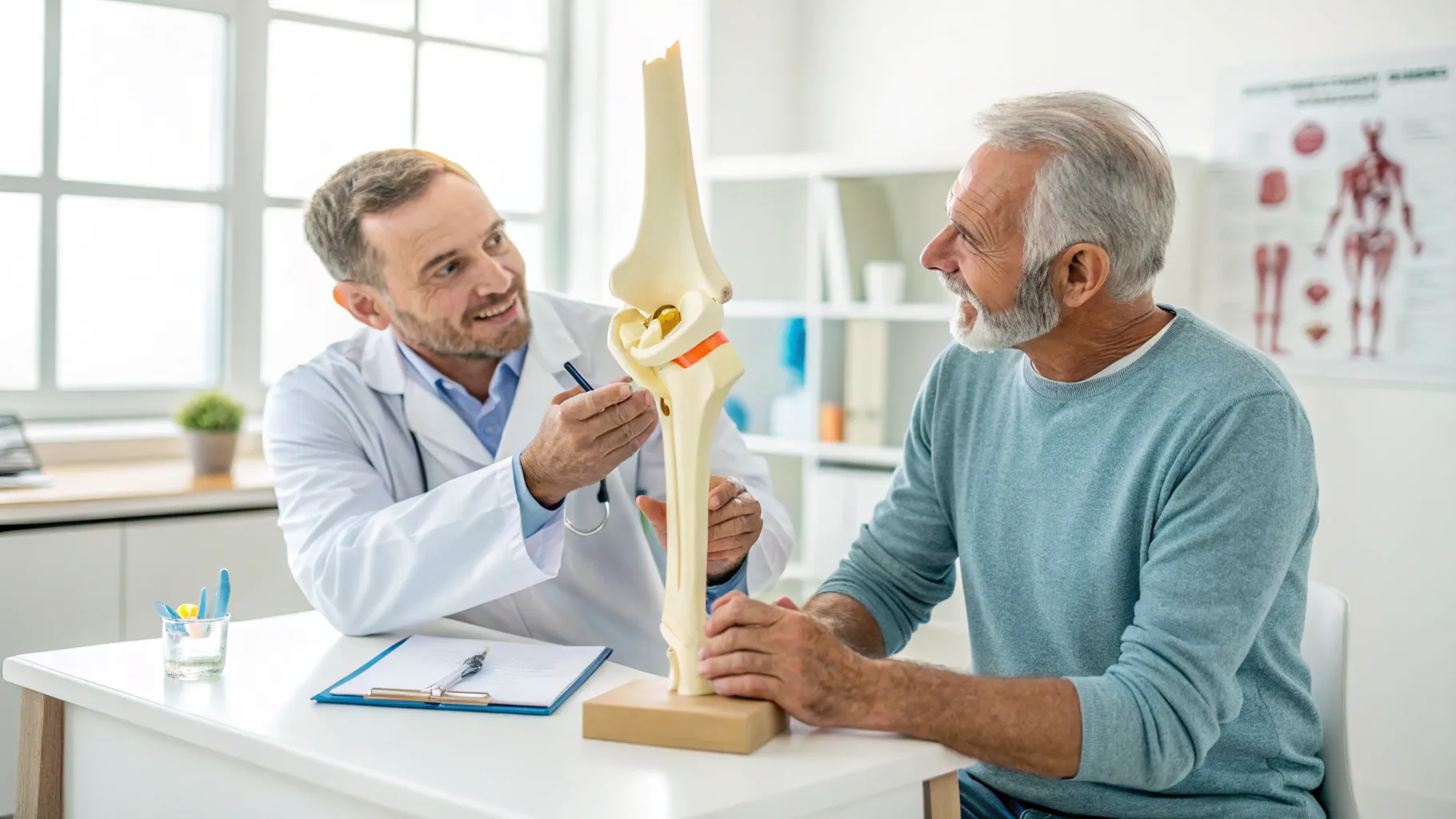
What is Platelet-Rich Plasma (PRP) Therapy?
Platelet-Rich Plasma therapy is a form of regenerative medicine that harnesses the natural healing properties found in your own blood. Our blood is composed of several components, including red blood cells, white blood cells, plasma, and platelets. Platelets are cell fragments best known for their role in clotting blood, but they also contain hundreds of proteins called growth factors, which are crucial for healing injuries.
The core idea behind PRP is to concentrate these platelets and their growth factors and then inject this concentrated solution directly into an injured or diseased body part. By delivering a high dose of growth factors to a specific area, the therapy aims to stimulate and accelerate the body's natural repair processes. This can help mend damaged cartilage, tendons, ligaments, and muscles, potentially leading to reduced pain and improved joint function.
The PRP Procedure: What to Expect
The process for receiving PRP therapy is relatively straightforward and is typically performed in a doctor's office as an outpatient procedure. While the specifics can vary slightly depending on the provider and the area being treated, the fundamental steps remain consistent. The entire appointment usually lasts between 60 and 90 minutes.
- Blood Draw: A small amount of blood, similar to a standard blood test, is drawn from your arm.
- Centrifugation: The blood is placed in a centrifuge, a machine that spins at high speeds to separate the blood components. This process concentrates the platelets within the plasma.
- Preparation: The resulting platelet-rich plasma is carefully extracted and prepared for injection.
- Injection: The area to be treated is cleaned and numbed with a local anesthetic. Using ultrasound guidance for precision, the doctor injects the PRP directly into the affected joint or tissue.
Which Joint Conditions Can PRP Help With?
PRP therapy is being used to address a wide range of musculoskeletal conditions, particularly those that have been slow to heal with traditional treatments. One of the most common applications is for osteoarthritis, especially in the knee. By potentially stimulating cartilage repair and reducing inflammation, PRP may offer pain relief and improve mobility for individuals with mild to moderate joint degeneration.
Beyond osteoarthritis, PRP is frequently used for soft tissue injuries. This includes chronic tendon issues such as tennis elbow, golfer's elbow, Achilles tendinitis, and rotator cuff tendinopathy. Athletes and active individuals also turn to PRP for acute injuries like ligament sprains and muscle strains, hoping to accelerate their recovery and return to activity sooner.
Potential Benefits and Effectiveness
One of the primary appeals of PRP therapy is that it uses the patient's own biological material, which significantly reduces the risk of allergic reactions or immune rejection that can sometimes occur with other substances. The goal is not just to mask pain, as a steroid injection might, but to actually promote healing of the underlying tissue damage. For some, this can lead to long-term pain relief and improved function.
It is important to have realistic expectations, as the effectiveness of PRP can vary widely from person to person. Factors such as the patient's overall health, the specific condition being treated, and the severity of the injury can all influence the outcome. While many studies have shown promising results, research is ongoing to establish standardized treatment protocols and better predict who will benefit most from the therapy.
Understanding the Risks and Side Effects
PRP therapy is generally considered a low-risk procedure because it utilizes your own blood. This minimizes the chance of transmitting diseases or having an allergic reaction. However, like any procedure that involves an injection, there are some potential side effects and risks to be aware of. Most of these are mild and resolve on their own within a few days to a week.
- Injection Site Pain: It is common to experience increased pain, soreness, or swelling at the injection site for the first few days.
- Infection: Although rare, there is always a small risk of infection any time the skin is broken.
- Nerve Injury: There is a very slight risk of injury to nearby nerves or blood vessels from the needle.
- No Improvement: It is also possible that the treatment may not provide the desired level of pain relief or functional improvement.
Finding a Qualified Provider and What to Ask
If you are considering PRP therapy, it is crucial to seek treatment from a qualified medical professional with experience in regenerative medicine. Typically, this would be an orthopedic surgeon, a sports medicine physician, or a physiatrist. These specialists have the diagnostic skills to determine if you are a good candidate and the technical expertise to perform the injection safely and accurately, often using imaging guidance.
During a consultation, don't hesitate to ask questions to ensure you are comfortable with the provider and the proposed treatment plan. It's important to be an informed patient. Consider asking about their experience with PRP for your specific condition, the type of PRP system they use, the expected number of treatments, and what the recovery process will look like. A reputable provider will be transparent about potential outcomes, costs, and any alternative treatments.