
Understanding Psoriasis Creams: Types, Ingredients, and Effective Use
Fast Facts:
- Symptom Relief: Psoriasis creams offer targeted relief for skin inflammation and scaling.
- Topical treatments are a first-line therapy for mild to moderate psoriasis.
Navigating the Landscape of Psoriasis Topical Treatments
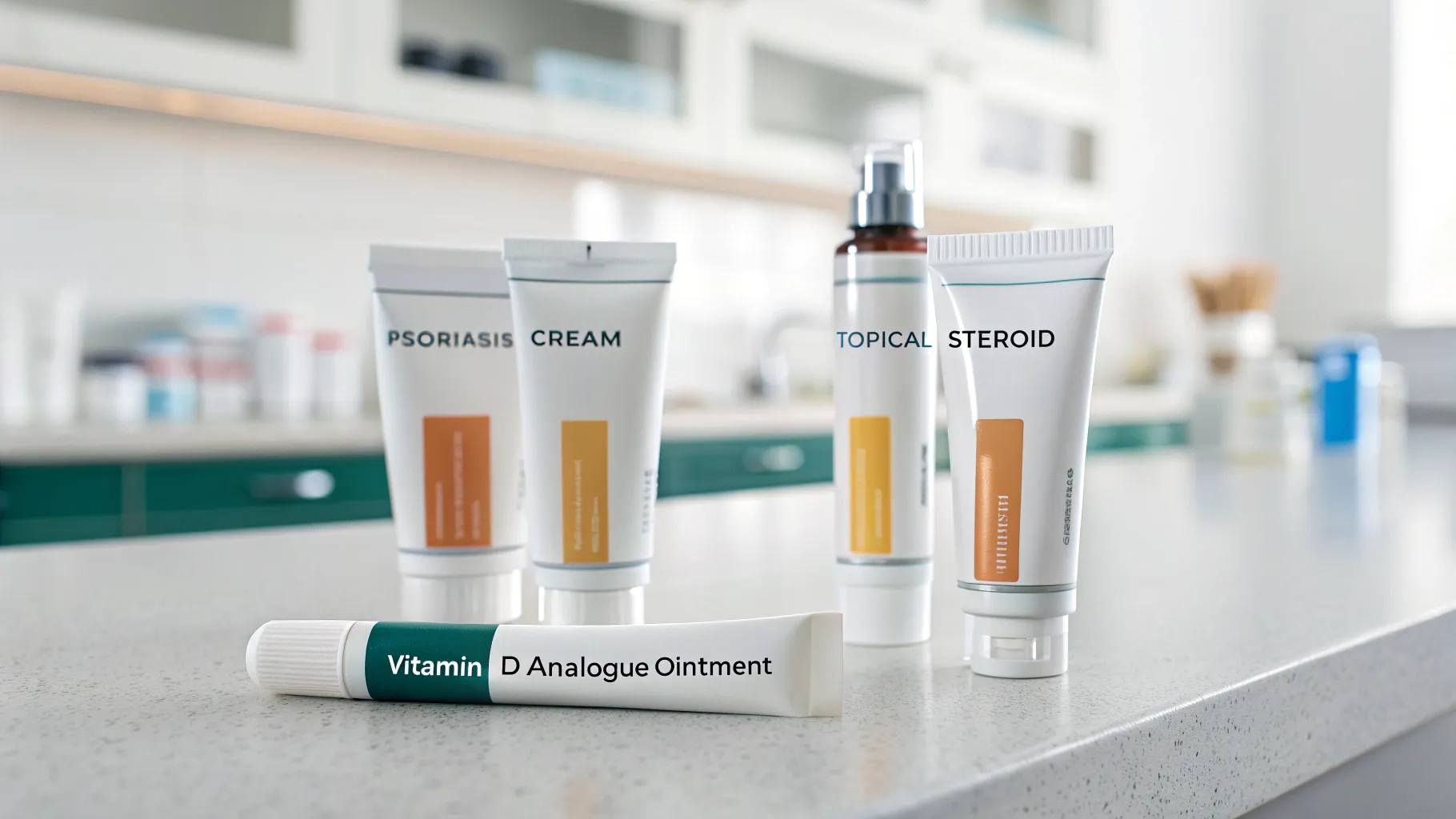
Living with psoriasis can be a persistent challenge, often characterized by inflamed, scaly patches on the skin. Fortunately, a wide array of psoriasis creams and topical treatments are available to manage symptoms and improve quality of life. Understanding the various types of psoriasis creams is crucial for effective management, as each formulation targets different aspects of the condition. From corticosteroids to vitamin D analogues, these topical solutions play a pivotal role in reducing inflammation, slowing skin cell growth, and alleviating discomfort directly at the source. This guide will delve into the mechanisms of action, key ingredients, and practical application strategies to help you navigate your treatment options.
Unpacking the Active Ingredients in Psoriasis Creams
The effectiveness of psoriasis creams largely hinges on their active ingredients, which work in distinct ways to calm the immune system's overreaction in the skin. Understanding these components is key to selecting the right treatment. Common active ingredients include:
Corticosteroids: The Anti-Inflammatory Powerhouses
Topical corticosteroids are among the most frequently prescribed types of psoriasis creams due to their potent anti-inflammatory effects. They work by suppressing the immune system, reducing redness, swelling, and itching. Strengths vary, from mild hydrocortisone to very potent clobetasol, and selection depends on the severity and location of the psoriasis. While highly effective for rapid symptom relief expectations, long-term use requires careful monitoring due to potential side effects like skin thinning.
Vitamin D Analogues: Slowing Cell Growth
Creams containing synthetic forms of vitamin D, such as calcipotriene (calcipotriol), are another cornerstone of psoriasis treatment. These agents help to slow down the excessive skin cell production that characterizes psoriasis plaques, thereby reducing scaling and thickening. Unlike corticosteroids, they can often be used for longer durations with a lower risk of skin thinning, making them suitable for maintenance therapy.
Calcineurin Inhibitors: Targeting Immune Response
Tacrolimus and pimecrolimus, calcineurin inhibitors, are non-steroidal options that suppress the immune response in the skin. They are particularly useful for sensitive areas like the face, groin, and skin folds where corticosteroids might pose a higher risk of side effects. These creams can help to alleviate inflammation and itching.
Coal Tar and Salicylic Acid: Traditional Allies
Older, yet still effective, ingredients like coal tar and salicylic acid offer different benefits. Coal tar helps to reduce itching, scaling, and inflammation, while salicylic acid acts as a keratolytic, helping to soften and remove scales, preparing the skin for other treatments. These are often found in over-the-counter psoriasis creams and can be valuable adjuncts to prescription therapies.
How Topical Treatments Work Their Magic
The core principle of how topical treatments work for psoriasis is to deliver therapeutic agents directly to the affected skin, minimizing systemic exposure. This localized action is crucial for managing localized plaques. Corticosteroids reduce inflammation by modulating immune cell activity, while vitamin D analogues influence cell differentiation and proliferation. These mechanisms collectively aim to normalize the skin's growth cycle and reduce the immune response that drives psoriasis, leading to significant symptom relief expectations and improved skin appearance.
When to Use Psoriasis Creams: A Practical Guide
Knowing when to use them is as important as knowing which cream to use. Topical psoriasis creams are generally the first-line treatment for mild to moderate psoriasis, or as an adjunct therapy for more severe cases. They are applied directly to affected areas, typically once or twice daily, as directed by a healthcare professional. Consistency is key; regular application as prescribed helps to maintain clear skin and prevent flare-ups. It's essential to follow your dermatologist's instructions regarding frequency, duration, and specific application techniques to maximize efficacy and minimize potential side effects.
Maximizing Your Symptom Relief Expectations
Achieving optimal symptom relief expectations from psoriasis creams involves more than just applying the product. Consider these actionable steps to enhance your treatment outcomes:
- Consistent Application: Adhere strictly to your dermatologist's prescribed regimen.
- Moisturize Regularly: Use a fragrance-free moisturizer several times a day to keep skin hydrated and reduce scaling.
- Identify Triggers: Understand and avoid personal psoriasis triggers like stress, certain foods, or skin injuries.
- Gentle Skin Care: Use mild soaps and lukewarm water for bathing to avoid irritating the skin.
- Sun Exposure (Moderation): Controlled, brief periods of natural sunlight can be beneficial, but always discuss with your doctor.
- Patience is Key: It often takes several weeks to see significant improvement, so be patient and consistent.
Frequently Asked Questions
Can psoriasis creams cure my condition?
No, psoriasis creams manage symptoms but do not offer a cure for psoriasis. They are highly effective in reducing inflammation, scaling, and discomfort, providing significant symptom relief.
Are there side effects to using psoriasis creams?
Side effects vary by ingredient. Corticosteroids can cause skin thinning, stretch marks, or increased hair growth with prolonged use. Vitamin D analogues might cause skin irritation. Always discuss potential side effects with your doctor.
How long should I use a specific psoriasis cream?
The duration of use depends on the type of cream and your doctor's recommendations. Some creams are for short-term flare-ups, while others can be used for longer maintenance periods. Follow medical advice closely.
Can I use different types of psoriasis creams simultaneously?
Sometimes, dermatologists may prescribe a combination of different types of creams, such as a corticosteroid and a vitamin D analogue, for alternating use or specific areas. Always consult your doctor before combining treatments.
References
- National Institute of Arthritis and Musculoskeletal and Skin Diseases (NIAMS). Psoriasis: Overview. [Online Resource]
- American Academy of Dermatology Association. Psoriasis: Diagnosis and treatment. [Online Resource]
- Clinical guidelines for the management of psoriasis. Various dermatological journals.